

Ecosystems consist of living organisms and their environments, categorized into terrestrial and aquatic types. Each type has unique features and plays essential roles in ecological balance and health.
Ecosystems are intricate networks formed by living organisms and their physical surroundings. Understanding the various types of ecosystems, their characteristics, and their structural components is vital for appreciating their role in ecological balance and health.
Classification of Ecosystems
Ecosystems can be broadly categorised into two main types based on their environment: terrestrial and aquatic. Each type exhibits unique features and supports different forms of life.
Land-Based Ecosystems

Terrestrial ecosystems are located on land and can be further divided into various biomes, each characterised by specific climate conditions and biological communities. Examples include:
- Grassland Ecosystems: Dominated by grasses and herbs, these areas include temperate grasslands and savannas.
- Tundra Ecosystems: Found in cold climates, these regions lack trees and are often covered in snow.
- Forest Ecosystems: Rich in biodiversity, forests play a crucial role in carbon storage and climate regulation.
- Desert Ecosystems: Characterised by low rainfall, deserts experience extreme temperature variations between day and night.
Water-Based Ecosystems
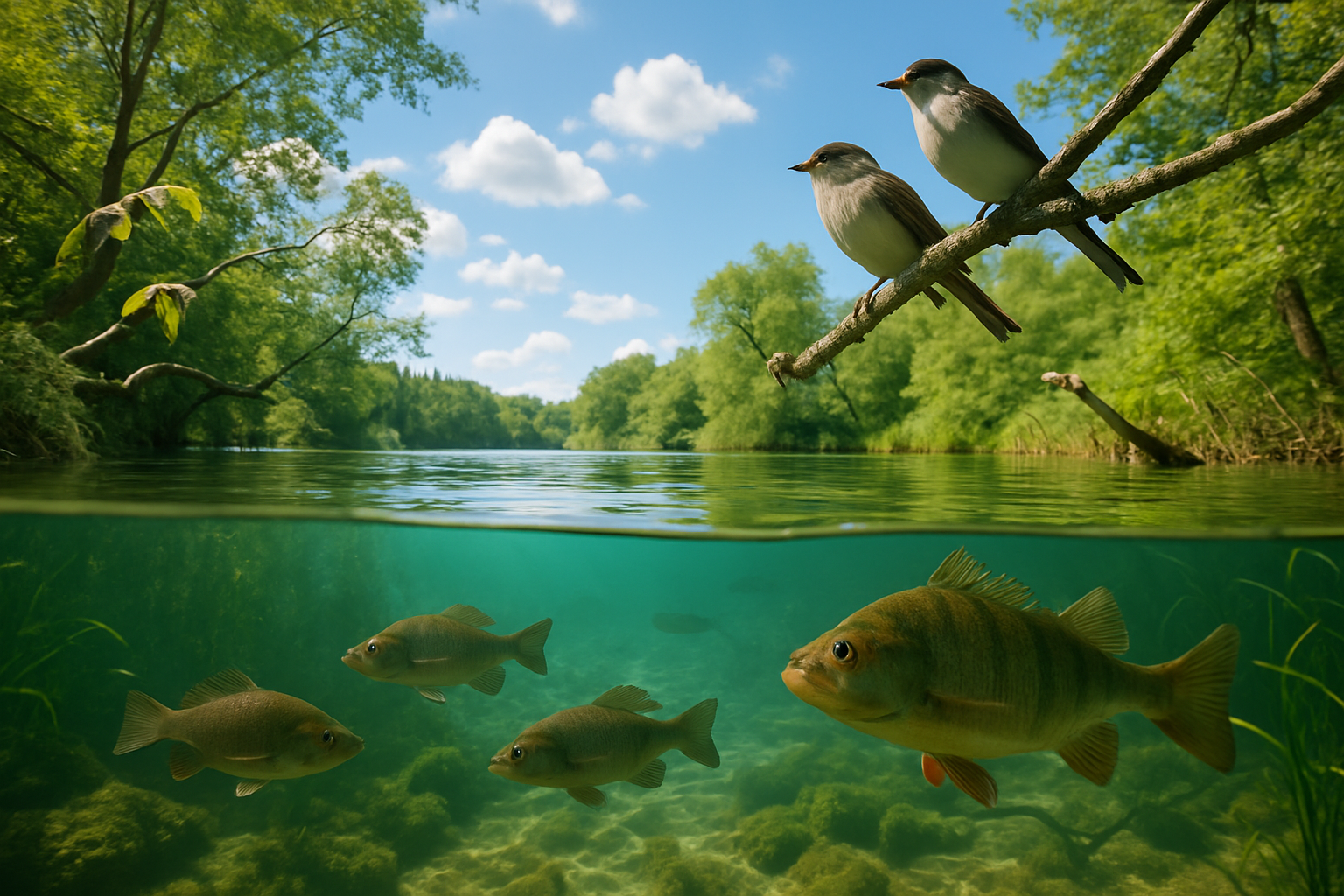
Aquatic ecosystems are those that exist in water and can be classified as:
- Marine Ecosystems: These include oceans and seas, which are saltwater environments with high biodiversity.
- Freshwater Ecosystems: Comprising rivers, lakes, and wetlands, these ecosystems have minimal salt content.
Key Characteristics of Ecosystems
Several fundamental features define ecosystems, as observed by Smith (1966). These characteristics highlight the intricate relationships and dependencies within ecosystems:
- Ecosystems are essential for ecological structure and function.
- Species diversity significantly influences ecosystem structure.
- Energy and materials flow through ecosystems, sustaining their functions.
- Complex ecosystems tend to require less energy for maintenance than simpler ones.
- Adaptation to environmental changes is crucial for the survival of species within an ecosystem.
Structural Components of Ecosystems
The structure of an ecosystem comprises both biotic and abiotic components, which interact dynamically:
Living Components
Biotic components, or living organisms, can be categorised based on their nutritional needs:
- Producers: Autotrophic organisms, primarily plants, produce food through photosynthesis.
- Consumers: Organisms that depend on others for nutrition, including:
- Primary Consumers: Herbivores that feed on producers.
- Secondary Consumers: Carnivores or omnivores that eat primary consumers.
- Tertiary Consumers: Organisms that rely on secondary consumers for food.
- Quaternary Consumers: Higher-level predators that have few or no natural enemies.
- Decomposers: Fungi and bacteria that break down organic matter, recycling nutrients back into the ecosystem.
Non-Living Components
Abiotic components are the non-living elements of an ecosystem, including:
- Air and gases
- Temperature and climate
- Water and its turbidity
- Minerals and nutrients in soil
- Sunlight and its intensity
Functional Roles of Ecosystems
Ecosystems perform vital functions that sustain life and maintain ecological balance:
- Productivity: The rate of biomass production within the ecosystem.
- Energy Flow: The transfer of energy through different trophic levels, from producers to consumers and decomposers.
- Decomposition: The breakdown of dead organic matter, primarily occurring in the topsoil.
- Nutrient Cycling: The movement and recycling of nutrients among biotic and abiotic components, essential for ecosystem health.
Understanding these components and functions is essential for managing and preserving ecosystems, as they are vital for the health of our planet.
Comments (0)
Loading comments…
Checking sign-in status…