
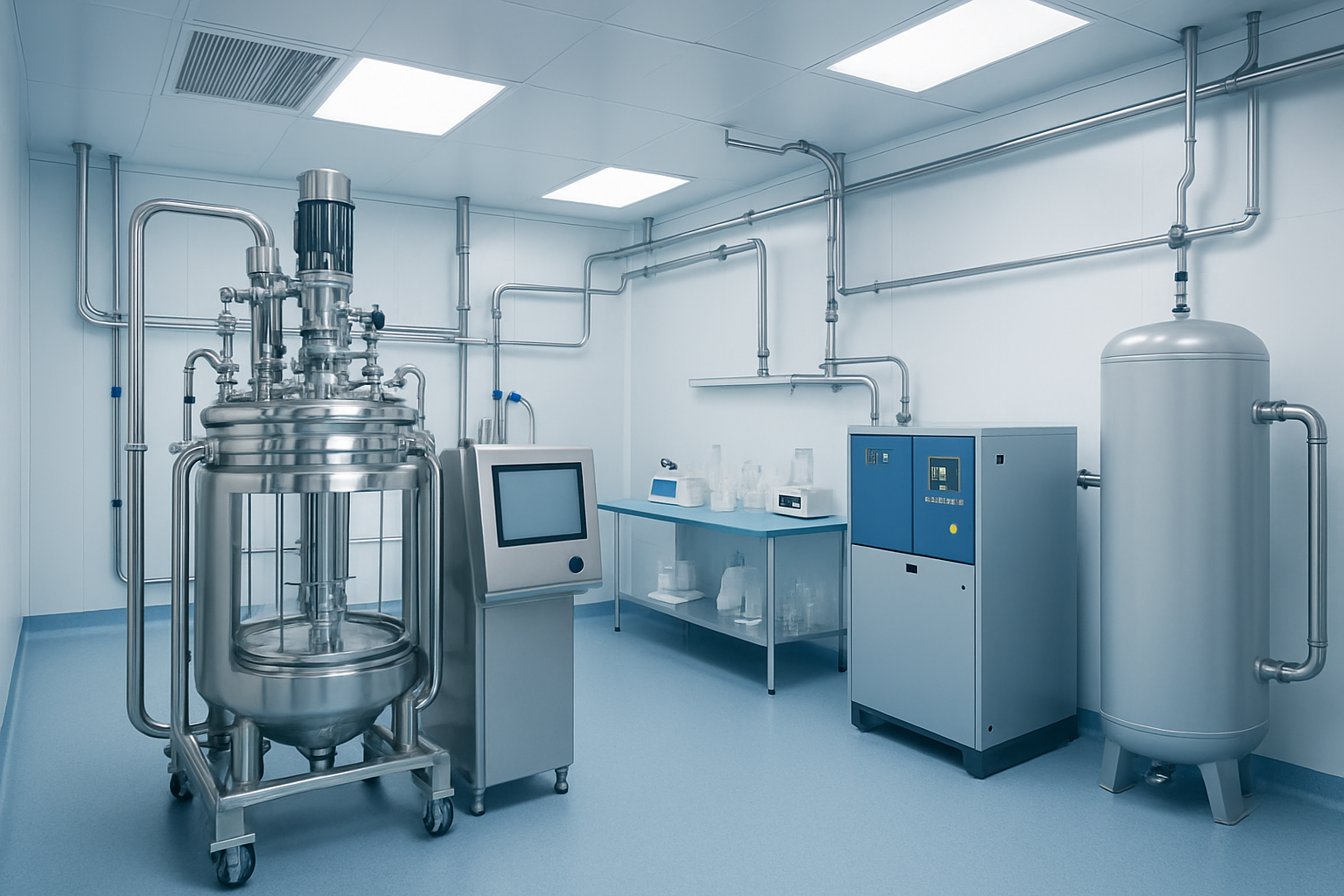
Energy consumption in pharmaceutical manufacturing is significant, with HVAC systems being the largest contributor. Strategies to enhance efficiency include optimizing HVAC performance, improving compressed air systems, and conducting regular energy audits while maintaining compliance with regulatory standards.
Energy consumption represents a significant operational cost in pharmaceutical manufacturing. The complexity of modern facilities, which include HVAC systems, compressed air, purified water systems, and cleanrooms, demands careful energy management. Mismanagement can lead to substantial inefficiencies that affect both costs and compliance with regulatory standards.
Understanding High Energy Usage in Pharmaceutical Facilities
Manufacturing plants in the pharmaceutical sector operate continuously throughout the year, resulting in elevated energy consumption. The primary areas responsible for this demand include:
- HVAC systems
- Water production systems
- Steam generation systems
- Compressed air systems
- Cleanroom pressure control systems
- Cooling systems
- Production equipment
- Lighting
Facilities producing sterile products often experience even higher energy requirements due to stringent standards for temperature and cleanliness. Notably, HVAC systems can account for more than 50% of total energy usage.
Enhancing HVAC System Performance
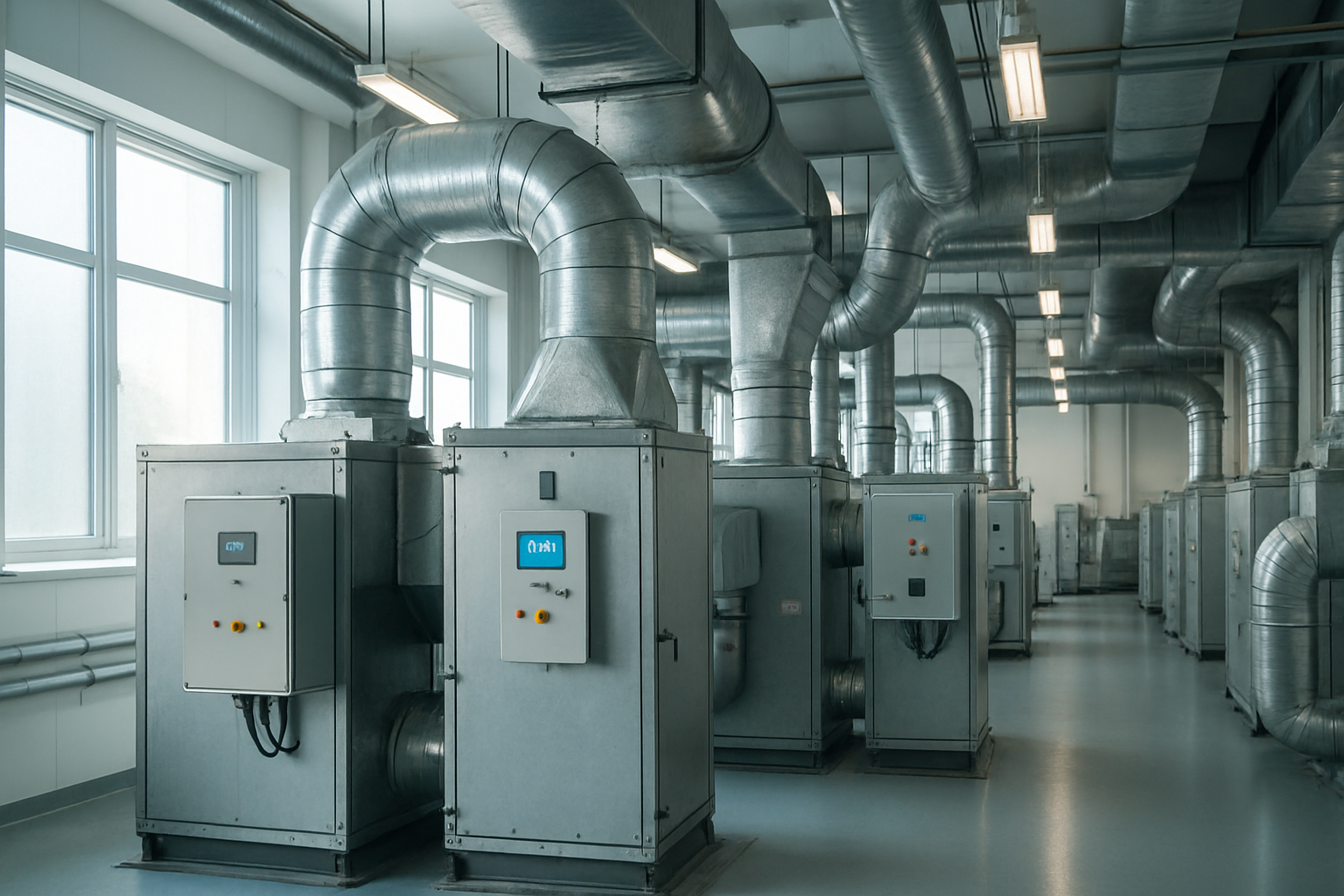
The HVAC system's role in maintaining environmental conditions in pharmaceutical facilities makes it a significant energy consumer. Addressing inefficiencies can yield substantial savings.
Identifying Energy Losses in HVAC Systems
During audits, common issues that contribute to energy waste include:
- Clogged HEPA filters
- Unbalanced airflow
- Excessive air change rates
- Simultaneous heating and cooling
- Poorly insulated piping
- Duct leakage
Implementing Energy Conservation Strategies for HVAC
Loading flowchart…
To optimise energy use in HVAC systems, consider the following measures:
- Employ Variable Frequency Drives (VFDs) on air handling units
- Implement demand-based air change control
- Optimise pressure cascades
- Conduct regular preventative filter maintenance
- Enhance chilled water management
- Insulate ductwork and piping
Any changes must be thoroughly evaluated to maintain compliance with GMP and environmental standards.
Improving Compressed Air System Efficiency
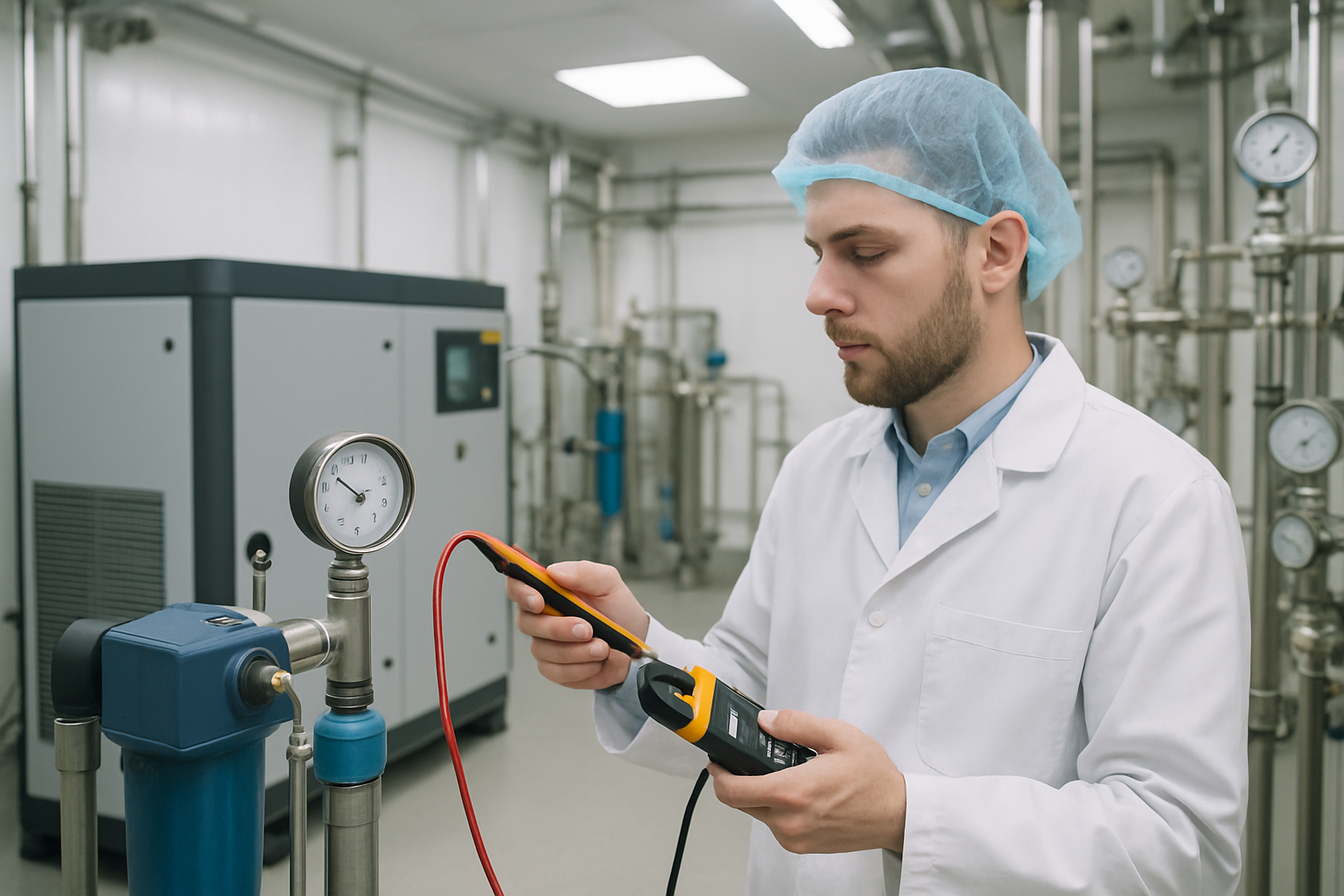
Compressed air is often one of the costliest utilities in manufacturing settings. Many facilities experience leak rates exceeding 20%, resulting in considerable energy loss.
Overview: common Inefficiencies in Compressed Air Systems
Issues typically arise from:
- Leaks at joints or valves
- Incorrectly set pressure levels
- Suboptimal compressor sequencing
- Moisture presence
- Poor preventative maintenance practices
Opportunities for Energy Savings in Compressed Air
To enhance efficiency, consider:
- Routine leak detection and repair
- Optimising pressure settings
- Installing energy-efficient compressors
- Automating compressor controls
- Ensuring piping is appropriately sized
- Conducting regular maintenance on dryers
Even minor reductions in air leakage can result in significant cost savings annually.
Optimising Steam System Efficiency
Steam is integral to various processes within pharmaceutical manufacturing, including sterilisation and HVAC humidification. However, energy losses can occur without careful management.
Overview: common Energy Losses in Steam Systems
Common issues include:
- Steam leaks
- Faulty steam traps
- Condensate losses
- Insufficient pipe insulation
- Oversized boilers
Best Practices for Steam System Optimisation
To increase steam system efficiency, implement the following strategies:
- Establish a steam trap monitoring programme
- Install a condensate return system
- Measure steam boiler efficiency
- Enhance insulation on relevant components
- Properly load steam boilers
Regular audits of steam systems can help identify latent energy losses.
Managing Energy Use in Purified Water Systems
Water for Injection (WFI) and other purified water systems are essential yet energy-intensive utilities. Key areas consuming electricity include:
- Pumps
- Heating systems
- Distribution networks
- Reverse osmosis systems
- Distillation units
Areas for Energy Enhancement
Improvements can be achieved through:
- Optimising pump performance
- Implementing heat recovery systems
- Adjusting loop temperatures
- Scheduling sanitisation efficiently
- Maintaining membranes proactively
All optimisations must uphold microbial control and validated operating standards.
Improving Lighting Efficiency
While lighting may not be the largest energy consumer, it still contributes significantly to overall usage. Facilities, particularly older ones, may rely on outdated lighting technologies.
Upgrading to energy-efficient solutions such as LED lights and incorporating occupancy sensors can reduce overall energy consumption and, consequently, HVAC loads due to lower heat generation.
Proper Equipment Sizing
Oversized equipment can lead to inefficiencies. Common examples include:
- Chillers
- Pumps
- Compressors
- HVAC systems
Right-sizing equipment can reveal unexpected opportunities for utility cost reductions.
Overview: utilising Variable Frequency Drives (VFDs)
VFDs are beneficial for optimising energy consumption in rotating equipment. They allow motors to adjust their speed according to demand, improving energy efficiency in systems such as:
- Air handling unit fans
- Cooling tower motors
- Pumps
- Compressors
The Role of Preventative Maintenance
Proper maintenance is crucial for maintaining energy efficiency. Common issues leading to reduced efficiency include:
- Dirty filters restricting airflow
- Fouled heat exchangers
- Worn motor bearings
- Misaligned pumps
A comprehensive preventive maintenance programme can significantly improve equipment performance and energy usage.
Enhancing Energy Efficiency in Cleanrooms
While energy reduction in cleanrooms can be challenging due to strict environmental controls, opportunities still exist. Improvements may focus on:
- Optimising air change rates
- Adjusting airflow based on occupancy
- Maintaining optimal pressure differentials
- Implementing effective cleanroom attire practices
Overview: advancing Energy Monitoring and Automation
Energy management systems (EMS) are increasingly being adopted to provide real-time insights into energy consumption across various utilities. Effective monitoring can highlight abnormal usage patterns that might otherwise go unnoticed.
Implementing Heat Recovery Solutions
Heat recovery systems can significantly reduce energy costs by repurposing waste heat for useful applications such as:
- Heating boiler feedwater
- Reheating HVAC air
- Heating process water
Promoting Employee Awareness
Employee training is essential for mitigating energy waste. Common behaviours contributing to inefficiencies include:
- Leaving machinery running unnecessarily
- Failing to close doors in controlled areas
- Improper equipment shutdown
- Excessive use of compressed air
Conducting Regular Energy Audits
Periodic energy audits can systematically identify inefficiencies within operations. A thorough audit should assess:
- Utility consumption patterns
- Equipment performance
- Load balancing across systems
- Potential optimisation opportunities
Aligning Sustainability with Regulatory Requirements
Developing energy-efficient practices supports sustainability efforts while aligning with regulatory compliance. Regulatory bodies may not directly regulate utility management, but inefficiencies can impact production reliability and environmental controls.
Maintaining GMP Compliance While Enhancing Energy Efficiency
Efforts to reduce energy usage must not compromise validated conditions. Facilities should conduct risk assessments and change control reviews to ensure compliance remains intact.
Recommended Approaches for Effective Energy Management
Pharmaceutical manufacturers can implement several proactive strategies to enhance energy efficiency:
- Conduct regular energy audits
- Monitor utility patterns continuously
- Maintain HVAC systems properly
- Implement compressed air leak detection programs
- Optimise airflow scientifically in cleanrooms
- Utilise automation for monitoring
Energy management should be viewed as a continuous operational strategy rather than a singular initiative, aiming to balance operational efficiency with compliance and product quality.
Regulatory Guidelines
Familiarity with relevant regulations is essential for achieving energy efficiency while maintaining compliance:
- WHO Good Manufacturing Practices Guidelines
- US FDA 21 CFR Part 211 Current Good Manufacturing Practice
- EU GMP Guidelines Volume 4
- ISO 50001 Energy Management Systems
- ISPE Baseline Guide: HVAC and Sustainability Concepts
Comments (0)
Loading comments…
Checking sign-in status…