
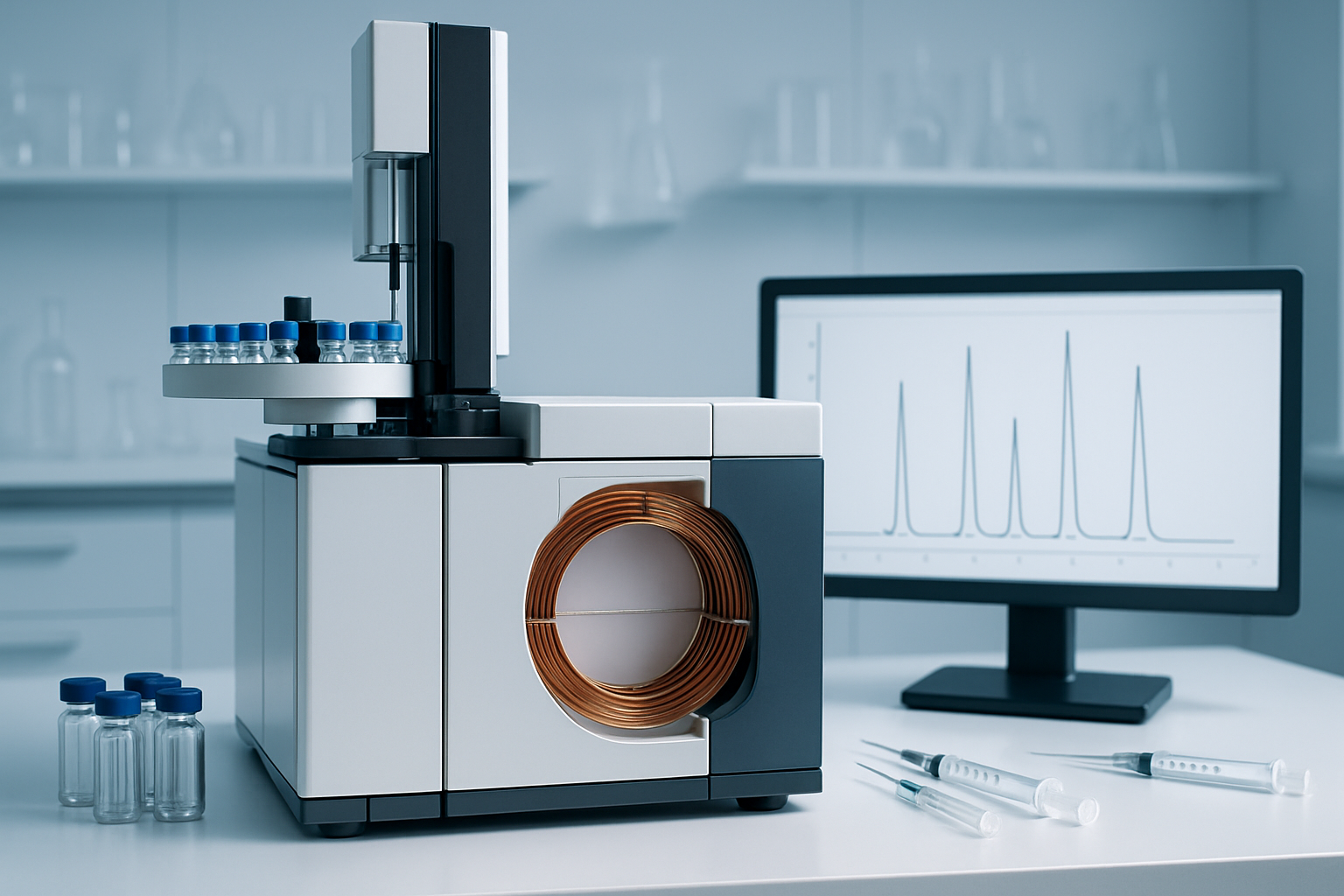
Gas chromatography (GC) is a key analytical technique used in laboratories to separate, identify, and quantify volatile chemical compounds. It involves a series of components including a carrier gas, injector, column, oven, and detector, each playing a crucial role in the analysis process.
Gas chromatography (GC) has established itself as a vital analytical technique in pharmaceutical and chemical laboratories. Its reliability and precision make it an indispensable tool for analyzing chemical substances. Familiarity with the workings of gas chromatography is essential for both newcomers and seasoned professionals in the analytical field.
Defining Gas Chromatography
This technique is akin to high-performance liquid chromatography (HPLC) and is employed to identify and quantify chemical components within a mixture. It is particularly adept at analysing volatile substances found in pharmaceutical formulations, while in the chemical sector, it serves to assess the purity of organic compounds.
Fundamental Principles of Gas Chromatography
The core principle of gas chromatography lies in the separation of compounds as they traverse a column. The mixture’s components are separated based on their interaction with a gaseous mobile phase and a stationary phase, typically a polymer. The carrier gas—such as helium, hydrogen, or nitrogen—acts as the mobile phase, while the stationary phase is coated within the column. Each compound in the sample moves through the column at varying speeds, influenced by its vaporization characteristics and affinity for the stationary phase. Compounds that engage more with the stationary phase travel more slowly, resulting in their separation from those that interact less.
Essential Components of a Gas Chromatography System
Understanding the principal components of a gas chromatography system is crucial for grasping its operational functionality.
Overview: carrier Gas
The carrier gas serves as the mobile phase in the process, facilitating the transport of the sample through the system. Helium, nitrogen, and hydrogen are the typical gases used, chosen for their inert properties to prevent reactions with the sample or stationary phase.
Overview: injector Port
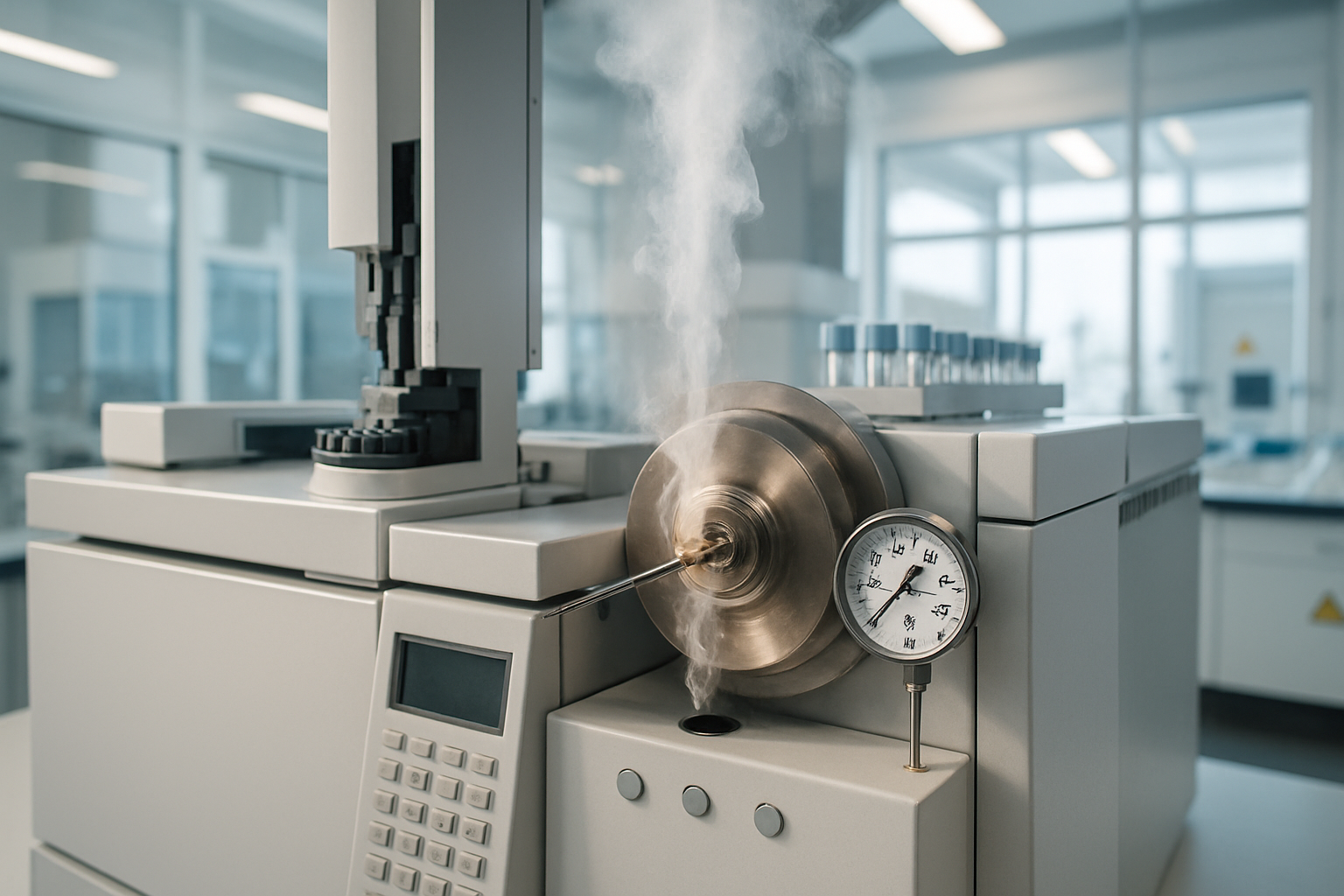
The injector port is where the sample is introduced. Here, the sample is rapidly vaporized due to the high temperature (typically between 250-300°C), allowing the vapor to enter the column with the carrier gas.
Overview: column
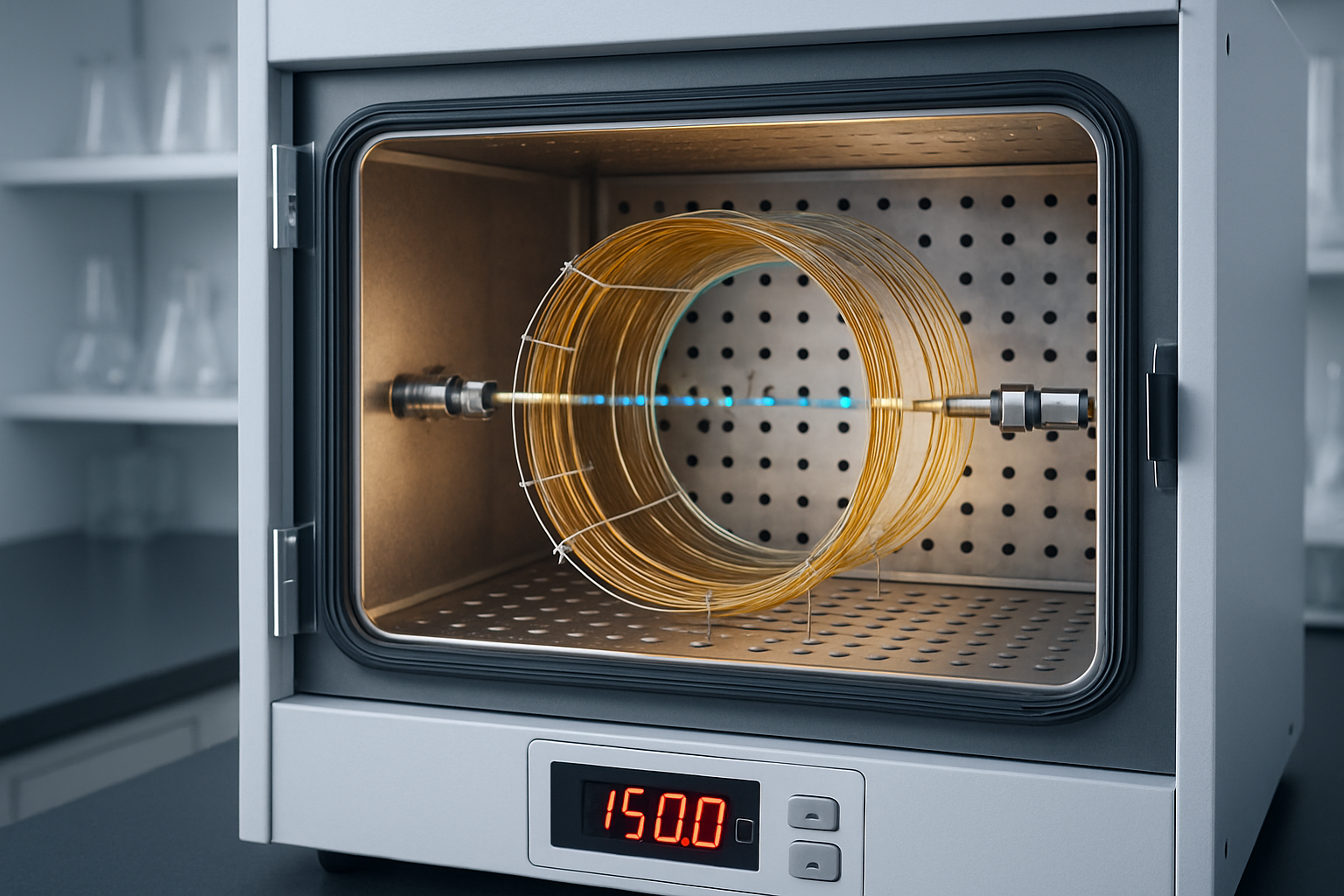
Regarded as the heart of the gas chromatography system, the column is where the separation of compounds takes place. Often constructed from stainless steel or glass, the column is coiled inside an oven that maintains necessary temperatures. Coated with the stationary phase, columns can be either packed or capillary types, with lengths ranging from 30 to 100 meters depending on the analytical requirements.
Overview: oven
The oven is responsible for regulating the temperature of the column, essential for achieving the desired analytical outcomes. The temperature may be kept constant for isothermal analyses or varied through temperature programming, depending on the mixture's properties.
Overview: detector
Detection of compounds exiting the column occurs in this component. Various detectors are available for use in gas chromatography:
- Flame Ionization Detector (FID): Commonly employed in both pharmaceutical and chemical sectors, FID burns organic compounds in a hydrogen flame, ionizing carbon atoms and generating a measurable current correlating to the carbon content.
- Thermal Conductivity Detector (TCD): This versatile detector can identify both organic and inorganic compounds based on changes in the thermal conductivity of the carrier gas upon elution of a sample.
- Mass Spectrometry (GC-MS): In this advanced system, mass spectrometry is coupled with gas chromatography to not only detect but also elucidate the molecular structure of the compounds by analyzing the mass-to-charge ratios of ionized fragments.
Operational Steps in Gas Chromatography
Loading flowchart…
The process of gas chromatography can be understood through the following sequential steps:
Initial Sample Injection
A precise volume of liquid sample, typically between 5 and 10 microliters, is injected into the heated injector port, where it is rapidly converted into a gas.
Vaporization and Transport
The gasified sample is propelled into the column by the carrier gas, initiating its journey through the chromatography system.
Separation Within the Column
As the sample travels through the column, each component interacts differently with the stationary phase. Components with higher volatility pass through quickly, while others are retained longer, resulting in separation based on their differing affinities.
Detection of Compounds
Upon exiting the column, each compound is identified by the detector, which transmits an electrical signal to a computer. The resulting chromatogram displays distinct peaks corresponding to each compound, with the retention time reflecting the duration each component takes to travel from injector to detector.
Benefits of Gas Chromatography
Gas chromatography offers several advantages that contribute to its ongoing relevance in pharmaceutical analysis:
- Exceptional sensitivity allows detection of minute quantities of substances.
- Rapid analysis times facilitate efficient workflows.
- High accuracy and reproducibility make it ideal for quantitative assessments.
- Its ability to analyse volatile compounds is invaluable in both pharmaceutical and petrochemical applications.
Challenges in Gas Chromatography
Despite its advantages, there are limitations to be aware of:
- It is restricted to volatile compounds that can vaporize without decomposition.
- Preparation of samples and instruments can be intricate and time-consuming.
- Not suitable for analysing large biomolecules, such as proteins.
Common Questions About Gas Chromatography
Overview of Gas Chromatography?
Gas chromatography is an analytical technique employed across various industries to separate, identify, and quantify volatile compounds in mixtures, utilising a gaseous mobile phase and a stationary phase housed in a column.
Overview: what Principle Underlies Gas Chromatography?
The foundational principle involves separating compounds based on their distribution between the carrier gas and the stationary phase, with each compound having a unique flow rate determined by its interaction with that stationary phase.
What Components Constitute a Gas Chromatograph?
A gas chromatograph comprises key components, including a carrier gas (helium, nitrogen, or hydrogen), an injector for sample introduction, a column (either packed or capillary) with the stationary phase, an oven for temperature control, a detector (such as FID or TCD), and a data system for result analysis.
What Role Does the Carrier Gas Play?
The carrier gas is integral as it serves as the mobile phase, transporting the vaporized sample through the column while remaining chemically inert to avoid reactions with the sample or stationary phase.
Overview of Meant by Retention Time in Gas Chromatography?
Retention time refers to the duration a sample takes to traverse the column, serving as a critical measurement of how long a compound spends within the gas chromatograph.
What Factors Influence Separation in GC?
Several factors can affect separation in gas chromatography, including column temperature, flow rate of the carrier gas, length and type of the column, polarity of the stationary phase, sample size, and injection technique.
What Detectors are Commonly Utilized in GC?
Common detectors include Flame Ionization Detectors (FID), Thermal Conductivity Detectors (TCD), Electron Capture Detectors (ECD), and Mass Spectrometers (MS), selected according to the specific properties of the sample being analysed.
Which Industries Regularly Implement GC?
Gas chromatography is routinely employed in the pharmaceutical, petrochemical, environmental monitoring, food and beverage, forensic toxicology, and cosmetic sectors.
Comments (0)
Loading comments…
Checking sign-in status…