
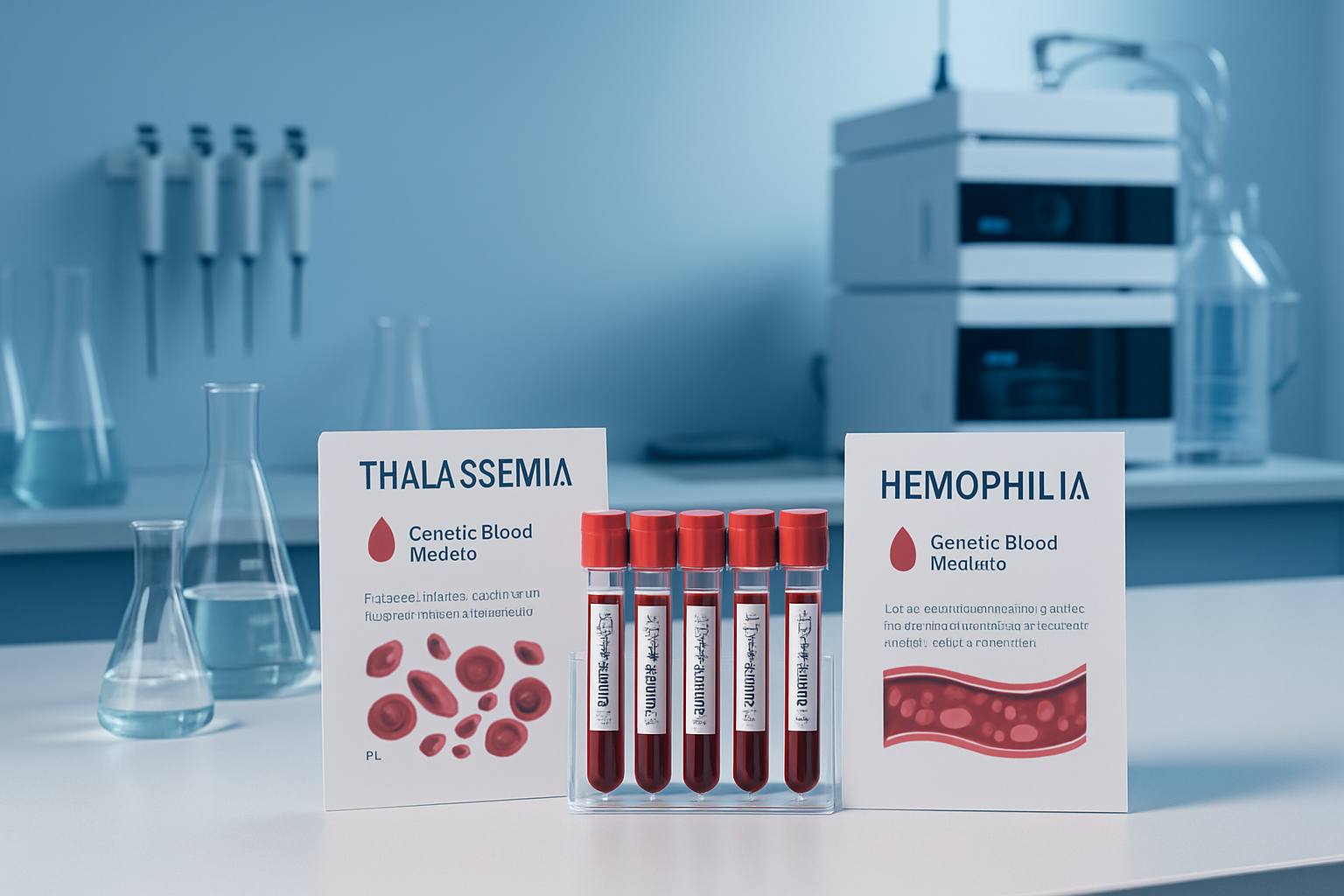
Thalassemia and hemophilia are genetic blood disorders affecting hemoglobin and clotting factors, leading to various symptoms and management needs. Understanding these conditions is essential for effective patient care.
Thalassemia and hemophilia are significant blood disorders affecting hemoglobin and clotting factors, respectively. Understanding these conditions is critical in identifying symptoms, implementing effective management strategies, and providing optimal patient care.
Thalassemia Overview

Thalassemia is a genetic blood disorder characterised by reduced levels of hemoglobin, which plays a vital role in oxygen transport throughout the body. The condition can lead to fatigue due to anemia, and while mild cases may not require treatment, more serious forms often necessitate blood transfusions. Maintaining a nutritious diet and engaging in regular physical activity can mitigate some fatigue associated with the disorder.
Clinical Manifestations
The symptoms of thalassemia vary based on the specific type and severity of the disorder. Common manifestations include:
- Dark-coloured urine
- Deformities in facial bones
- Chronic fatigue
- General weakness
- Delayed growth
- Pallor or jaundice
Symptoms may become apparent early in life, with some individuals exhibiting indications shortly after birth. Importantly, individuals who inherit a singular mutated hemoglobin gene may remain asymptomatic.
Pathophysiology
Thalassemia results from mutations in the DNA that impairs the production of hemoglobin's oxygen-carrying units. The condition is inherited from parents, with two primary forms identified based on the defective hemoglobin chains: alpha and beta.
Alpha Chain Deficiency
The alpha hemoglobin chain consists of four genes contributed by both parents. A person carrying one mutated gene typically remains asymptomatic but carries the potential to pass the condition to offspring. If two genes are mutated, symptoms may manifest mildly, while three mutations lead to moderate to severe symptoms. In instances where all four genes are mutated, the fetus may not survive to term, or the newborn necessitates lifelong transfusion therapy.
Beta Chain Deficiency
The beta hemoglobin chain, on the other hand, is composed of two genes, with each parent contributing one. Individuals with one mutated gene generally exhibit mild symptoms, a condition often termed thalassemia minor. With two mutations, patients typically present with moderate symptoms, known as thalassemia major or Cooley anemia, which often becomes evident within the first two years of life.
Overview: hereditary Acquired Anemia
Anemia, a condition characterised by a deficiency in red blood cells, can result from various causes, including hemolytic processes. This type of anemia occurs when the bone marrow fails to produce sufficient red blood cells to meet the body’s needs, leading to two main types of hemolysis: extrinsic and intrinsic.
Extrinsic Hemolytic Anemia
This form of anemia can arise from several factors, such as:
- Autoimmune reactions
- Malignancies (e.g., leukemia, lymphoma)
- Infections
- Side effects of medications
In these cases, healthy red blood cells may be destroyed or trapped, leading to inadequate red blood cell counts.
Intrinsic Hemolytic Anemia
Intrinsic hemolytic anemia is often linked to genetic disorders like sickle cell anemia or thalassemia, where inherited defects in hemoglobin lead to compromised red blood cell functionality. Other hereditary conditions, such as G6PD deficiency or hereditary spherocytosis, can also contribute to this type of anemia.
Potential Causes
Identifying the precise cause of hemolytic anemia can be challenging, as numerous diseases and factors can contribute to its development. Some notable causes include:
- Typhoid fever
- Enlarged spleen
- Leukemia
- Drug-induced hemolysis from specific medications (e.g., quinidine, rifampin)
Common Symptoms
Because hemolytic anemia can have diverse causes, symptoms may vary significantly among individuals. However, common symptoms often include:
- Dizziness and lightheadedness
- Fatigue and weakness
- Paleness of skin
- Enlarged spleen and liver
- Dark urine
- Increased heart rate
- Yellowing of skin and eyes
Hemophilia Evaluation
Hemophilia is a rare genetic disorder characterised by inadequate clotting factors in the blood, resulting in prolonged bleeding following injury. While minor injuries may not pose significant risks, severe cases present major concerns, particularly regarding internal bleeding in joints and organs, which can be life-threatening.
Clinical Signs
The symptoms of hemophilia are directly related to the level of clotting factors present in the blood. Patients with low clotting factor levels may experience bleeding primarily after trauma or surgery, while severe deficiencies can lead to spontaneous bleeding episodes. Key indicators include:
- Unusual bleeding after vaccinations
- Persistent swelling and pain in joints
- Blood in stool or urine
- Deep bruising from minor impacts
- Prolonged bleeding following cuts or dental procedures
In severe cases, complications can arise, including bleeding into the brain, which necessitates close monitoring and timely medical intervention.
Comments (0)
Loading comments…
Checking sign-in status…