
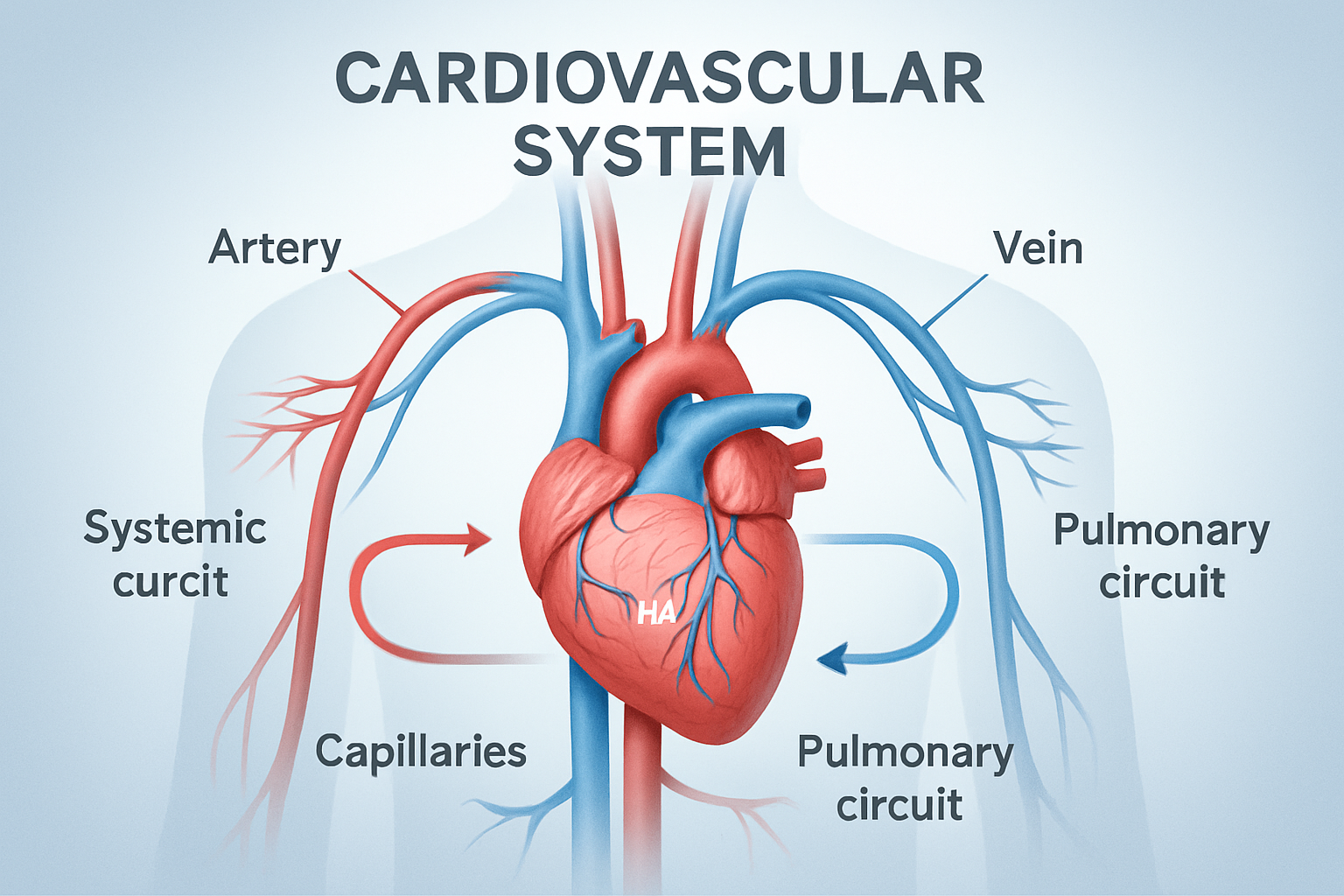
The cardiovascular system includes the heart, blood vessels, and circulation, playing a vital role in delivering oxygen and nutrients. Disruptions can lead to serious health issues, making understanding its anatomy and function essential for maintaining overall health.
The cardiovascular system is essential for maintaining overall health, comprising the heart, blood vessels, and the complex network of circulation. Any disruption to this system can lead to significant health challenges, such as heart disease, hypertension, and stroke, among other conditions.
Blood Circulation Mechanism
The heart plays a pivotal role in circulation. Blood rich in oxygen is pumped from the left side of the heart after it has been oxygenated in the lungs. This oxygenated blood travels to various body tissues to deliver essential nutrients and oxygen. Meanwhile, the right side of the heart receives deoxygenated blood from the body, directing it back to the lungs for reoxygenation and removal of carbon dioxide. This continuous cycle is crucial for sustaining life.
Structure of the Cardiovascular System
Primary Elements
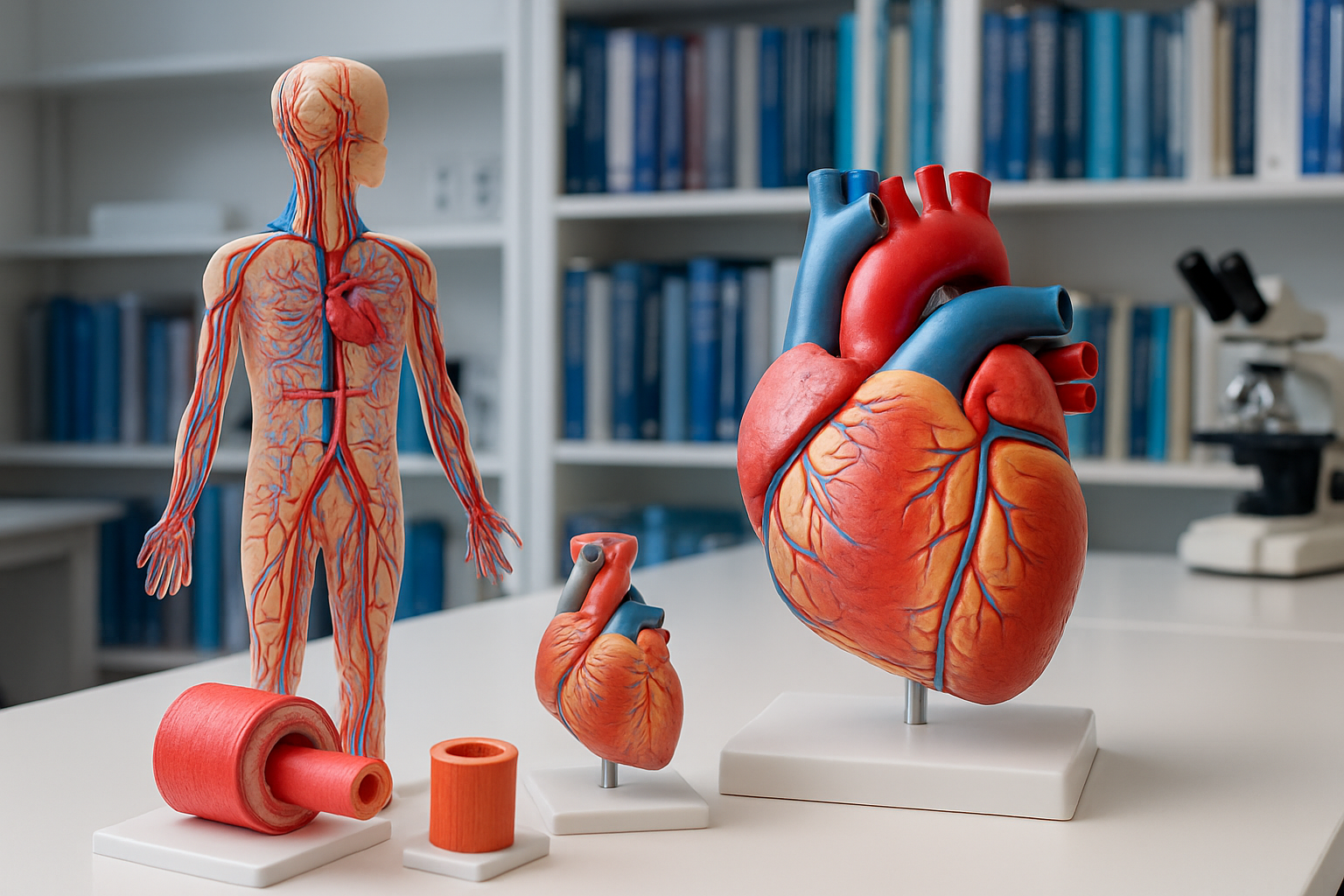
Three main components constitute the cardiovascular system:
- The Heart: A muscular organ that functions as a pump to propel blood throughout the body.
- Blood Vessels: These include:
- Arteries: Vessels that carry blood away from the heart.
- Veins: Vessels that return blood to the heart.
- Capillaries: Small vessels where the exchange of oxygen, nutrients, and waste products occurs between blood and tissues.
- Circulatory Systems: Blood circulates through two primary systems:
- Systemic Circulation: Delivers blood to all body tissues.
- Pulmonary Circulation: Facilitates blood flow between the heart and lungs for gas exchange.
Heart Anatomy
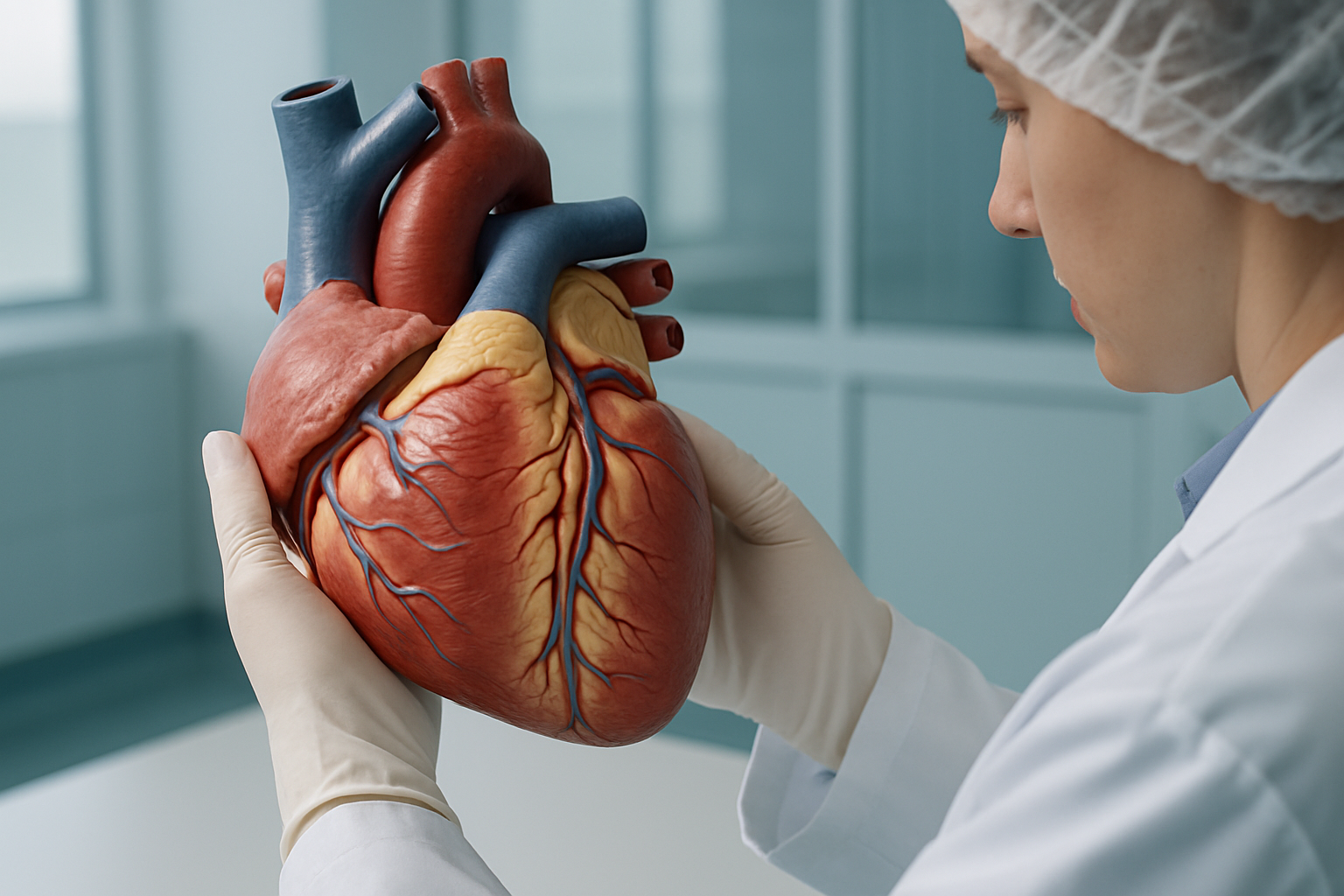
The heart’s structure is intricately designed for its pumping function. It consists of two atria and two ventricles, with septums separating the chambers. Blood flows through the heart in a specific sequence:
- Deoxygenated blood enters the right atrium through the inferior and superior vena cavae.
- It flows through the tricuspid valve into the right ventricle.
- When the right ventricle contracts, blood is pushed through the pulmonary valve into the pulmonary arteries, leading to the lungs.
- In the lungs, carbon dioxide is expelled, and oxygen is absorbed, resulting in oxygen-rich blood.
- This oxygenated blood returns to the left atrium via the pulmonary veins.
- From the left atrium, blood moves through the mitral valve into the left ventricle.
- Finally, the left ventricle contracts, pushing blood through the aortic valve into the aorta and distributing it throughout the body.
Cardiac Cycle Dynamics
The cardiac cycle consists of two primary phases: diastole and systole. During diastole, the heart fills with blood as the chambers relax, and the valves allow blood to flow from the atria to the ventricles. This phase is initiated when the aortic and pulmonary valves close, and the mitral and tricuspid valves open.
Subsequently, in systole, the ventricles contract, forcing blood out of the heart. The mitral and tricuspid valves close to prevent backflow, followed by the opening of the aortic and pulmonary valves, allowing blood to be ejected into the arteries. This rhythmic contraction and relaxation is vital for sustaining efficient blood flow.
Importance of Cardiovascular Health
Maintaining cardiovascular health is crucial for overall bodily function. The cardiovascular system delivers oxygen and nutrients essential for cellular activity. Any impairment in blood flow can lead to inadequate oxygenation and nutrient supply, ultimately compromising tissue function. Hence, understanding the cardiovascular system's workings is integral to promoting health and preventing disease.
Comments (0)
Loading comments…
Checking sign-in status…