

The nervous system is crucial for bodily functions and responses to stimuli, comprising the central and peripheral systems. The article discusses epilepsy, Parkinson's disease, and stroke, detailing their symptoms, causes, and the importance of timely medical intervention.
The nervous system serves as the body's command centre, orchestrating a multitude of functions from movement to thought processes. It is integral to everyday bodily functions, including digestion and respiratory patterns, and plays a significant role in responses to external stimuli. Damage to the nervous system can occur due to various factors such as diseases, accidents, exposure to chemicals, and the natural ageing process. The complexity of this system influences nearly every aspect of health and well-being.
Overview of the Nervous System
At the most basic level, the nervous system comprises two main divisions: the central nervous system (CNS) and the peripheral nervous system (PNS). The CNS includes the brain and spinal cord, while the PNS consists of all the other neural elements that connect the CNS to the rest of the body.
Components of the Nervous System
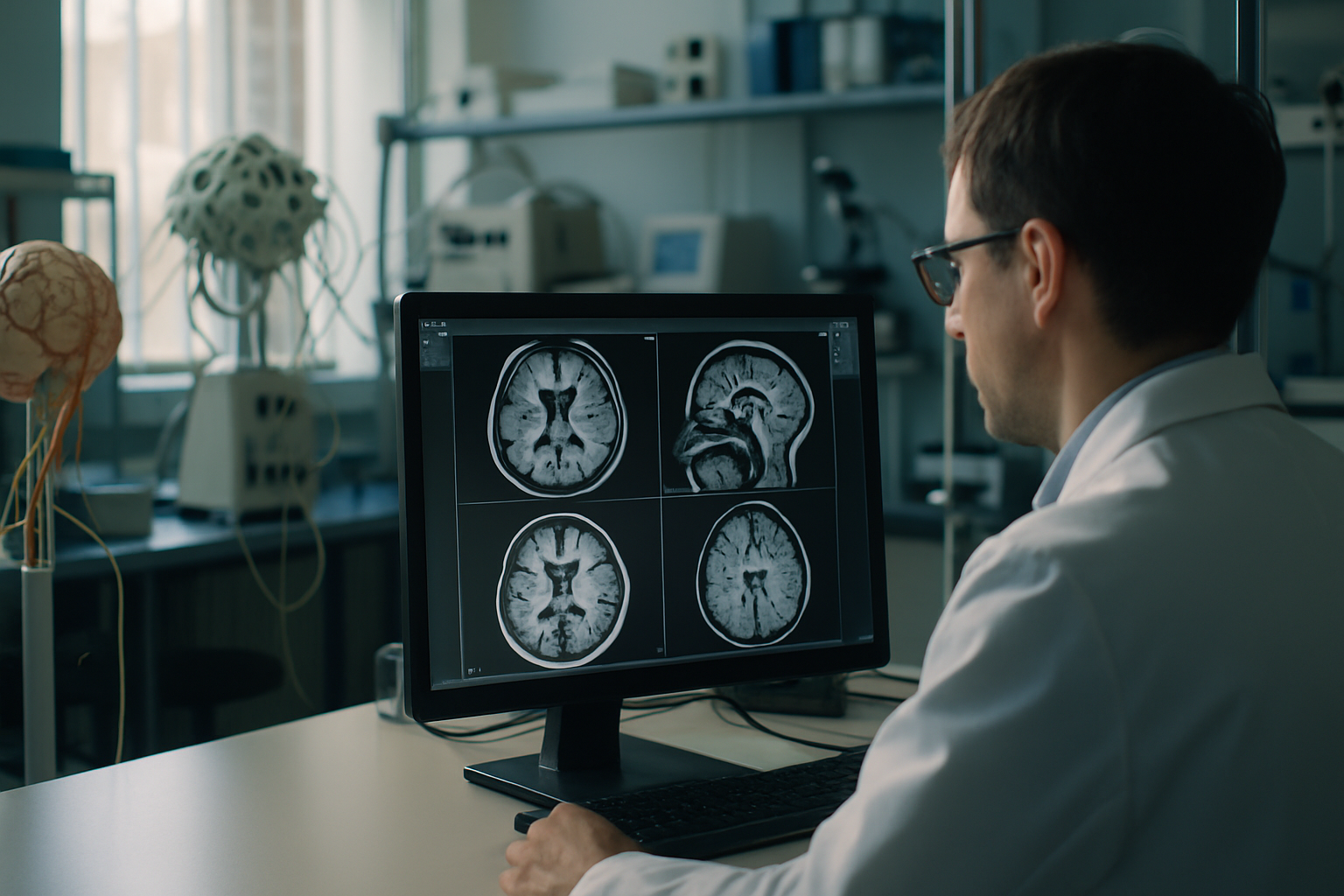
- Central Nervous System (CNS): This is primarily made up of the brain and spinal cord, which serve as the central hub for processing and transmitting information.
- Peripheral Nervous System (PNS): This system branches out from the CNS and includes various nerves that relay messages to and from different body parts.
Within the PNS, there are further subdivisions: the somatic nervous system, which controls voluntary movements, and the autonomic nervous system, which manages involuntary functions.
Overview: epilepsy
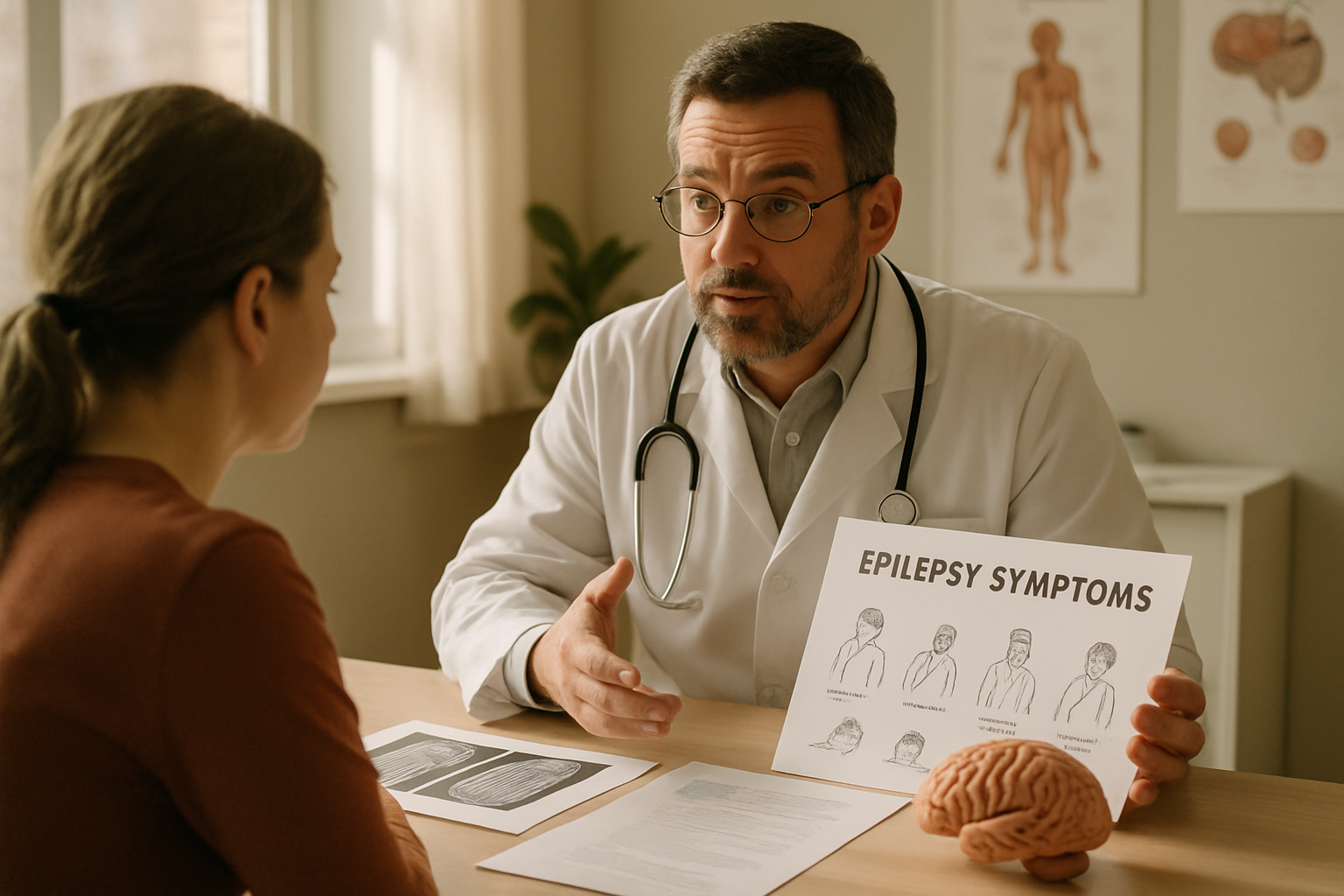
Epilepsy is a neurological disorder characterised by recurrent seizures, which are a result of excessive electrical disturbances in the brain. The condition can manifest at any age and affects individuals across all demographics.
Seizure Characteristics
Symptoms of epilepsy vary widely, with some individuals experiencing brief episodes of staring or twitching, while others may have more severe manifestations.
- Psychological effects such as fear or anxiety.
- Staring spells or temporary confusion.
- Involuntary jerking movements.
- Loss of awareness or consciousness.
Diagnosis typically requires the presence of at least two unprovoked seizures occurring more than 24 hours apart. Treatment options are available and may include medication or surgical interventions.
Causes of Epilepsy
In approximately half of epilepsy cases, the underlying cause remains unknown. However, several factors can contribute to the condition:
- Genetic Factors: Some forms of epilepsy have hereditary links.
- Head Trauma: Injuries sustained to the head can lead to epileptic conditions.
- Brain Abnormalities: Tumours or vascular malformations can be potential causes.
- Infections: Conditions like meningitis or viral encephalitis can incite epilepsy.
- Prenatal Injury: Factors impacting brain development in the womb can predispose individuals to seizures.
- Developmental Disorders: Disorders such as autism may correlate with epilepsy.
Overview: parkinson's Disease
This progressive neurological disorder primarily affects movement, resulting from the degradation of neurons responsible for producing dopamine. Symptoms often begin gradually and may escalate in severity.
Common Symptoms
Individuals with Parkinson's disease may experience a range of symptoms:
- Tremors: Often starting in one hand, these may manifest as a characteristic shaking.
- Bradykinesia: Slowed movements can make daily tasks more cumbersome.
- Muscle Rigidity: Stiffness can occur throughout various muscles, impeding movement.
- Postural Instability: This can lead to balance issues and falls.
- Speech Changes: Alterations in voice pitch and rate can impact communication.
Underlying Causes
The exact cause of Parkinson's disease remains elusive, but several contributing factors are identified:
- Genetic Mutations: Certain hereditary mutations have been linked to the disease.
- Environmental Factors: Exposure to specific toxins may elevate risk levels.
- Neurological Changes: The presence of Lewy bodies in the brain is a noted characteristic.
Overview: stroke
A stroke occurs when there is a reduction or interruption of blood flow to the brain, leading to the rapid death of brain cells due to lack of oxygen and nutrients. Immediate medical attention is critical to mitigate potential damage.
Recognising Symptoms
Be vigilant for the onset of stroke symptoms, as timely intervention can enhance treatment efficacy:
- Difficulty in speaking or understanding speech.
- Numbness or weakness, especially on one side of the face or body.
- Visual disturbances, such as blurred or double vision.
- Severe headaches with an abrupt onset.
- Loss of coordination or balance.
Factors Leading to Stroke
Strokes can be categorised based on their causes:
- Ischemic Stroke: This type is the most common and results from a blockage in the blood vessels supplying the brain.
- Hemorrhagic Stroke: This occurs when a blood vessel ruptures, leading to bleeding in or around the brain.
Transient Ischemic Attack (TIA)
A TIA, often termed a mini-stroke, presents with similar symptoms but lasts for a shorter duration. Though it does not typically result in permanent damage, it serves as a warning for potential future strokes.
| Type of Stroke | Description |
|---|---|
| Ischemic Stroke | Caused by narrowed or blocked blood vessels leading to decreased blood flow to the brain. |
| Hemorrhagic Stroke | Occurs when a blood vessel ruptures or leaks, causing bleeding in or around the brain. |
| Transient Ischemic Attack (TIA) | Temporary blockage of blood flow to the brain, causing brief symptoms without permanent damage. |
Comments (0)
Loading comments…
Checking sign-in status…