
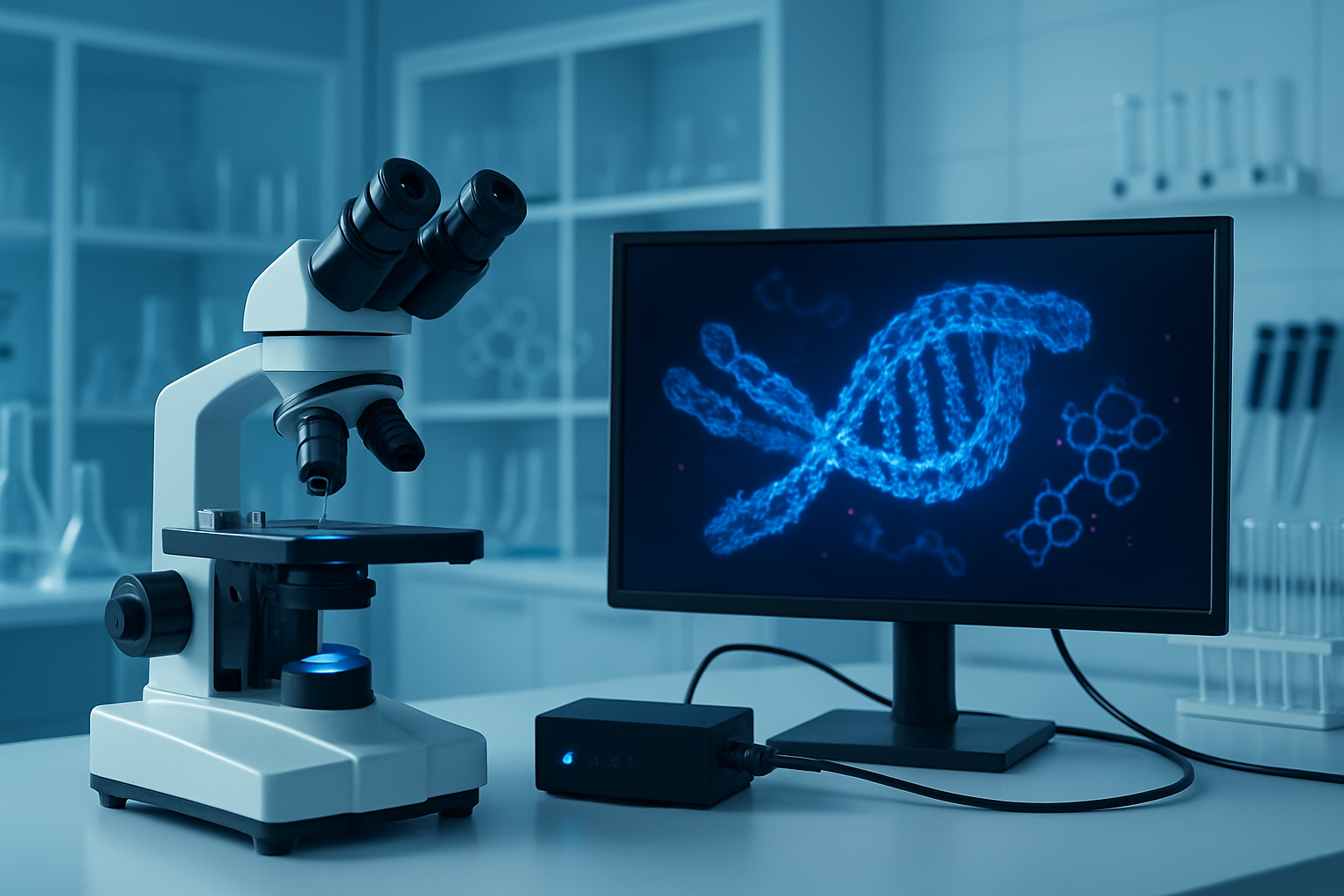
The mammalian genome's complexity is shaped by its structural organization within the nucleus, influencing gene transcription, replication, and repair. Advanced techniques like FISH and microscopy help researchers study this intricate relationship between genome structure and cellular function.
The mammalian genome presents a remarkable complexity that extends beyond simple linear sequences. Its physiological characteristics are deeply influenced by cellular architecture, which ultimately governs the functional properties of the genome in living organisms.
In each human cell, approximately two meters of genomic DNA must be compacted to fit within a nucleus measuring about a micrometer in diameter. This necessitates a highly organized physical structure of chromosomes, especially during critical processes like gene transcription, DNA replication, and repair. Maintaining this organization is essential for genomic integrity and functionality.
Techniques for Studying Genome Organization

Recent advancements in molecular techniques have enhanced our ability to investigate genome structure and function. For instance, fluorescence in situ hybridization (FISH) allows researchers to visualize specific DNA sequences within cells. Moreover, sophisticated microscopy techniques and chromosome conformation capture (3C) methods are pivotal in revealing the folded state of entire genomes and identifying the molecular machinery involved in shaping them.
Chromosomal Composition and Structure
Each human possesses 46 chromosomes, which consist of 22 pairs of autosomes and one pair of sex chromosomes. These chromosomes house over 6 billion nucleotide bases. When aligned, these bases would stretch over two meters in length. The challenge lies in the extensive packaging required to accommodate this DNA within the limited volume of a cell nucleus.
Hierarchical Levels of Genome Organization
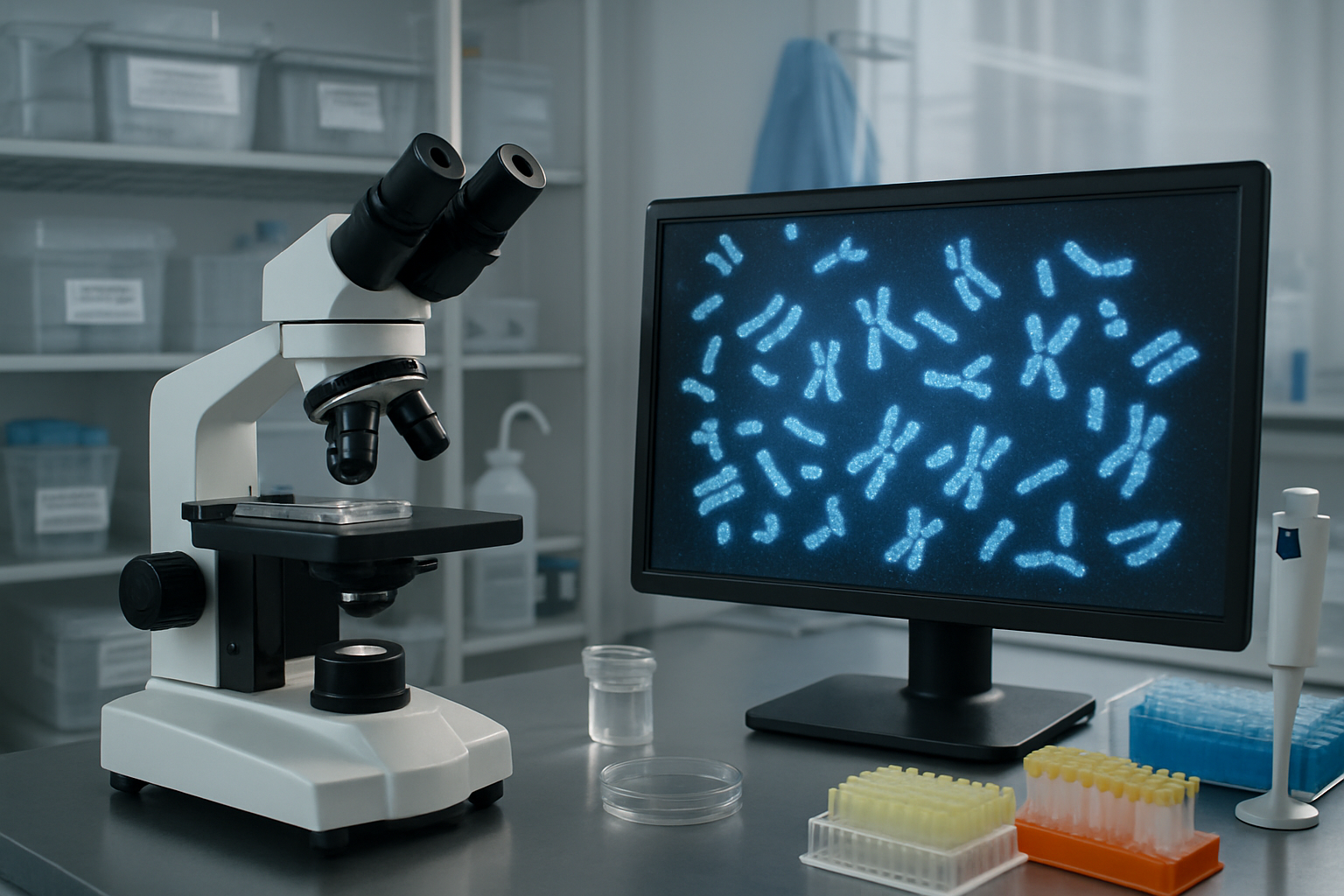
The organization of the eukaryotic genome can be understood through three hierarchical levels:
- Nuclear processes, including transcription, RNA processing, DNA replication, and DNA repair.
- Chromatin organization into higher-order structures.
- Spatial orientation of chromosomes within the nucleus.
Each of these organizational levels not only plays a distinct role but also interacts with one another, providing multiple regulatory opportunities.
The Role of Nuclear Architecture
The nucleus is not a random assortment of genetic material; rather, it is a highly structured environment. Cellular factors responsible for reading, copying, and maintaining genetic information, such as RNA-processing factors and transcription factors, are compartmentalized within the nucleus. This spatial organization facilitates the execution of transcription and replication processes.
Implications for Cellular Function
The intricate relationship between genome structure and function underscores the importance of understanding the three-dimensional arrangement of DNA. The majority of the nuclear volume is occupied by DNA, while various cellular components that manage genome activity occupy the remaining space. The interplay between packaged genetic information and the cellular machinery is critical for the effective functioning of the genome.
Conclusion on Genome Structure-Function Relationship
Research indicates that the cellular functions derived from the genome are intricately linked to its structural organization. The packaging of DNA and the compartmentalization of nuclear processes are not merely structural features; they are fundamental to the regulation and execution of essential cellular activities. As we continue to employ advanced techniques to explore these relationships, our understanding of the genome's complexity will grow, revealing insights that are vital for fields such as genetics, biotechnology, and medicine.
[[TABLE_1]]
Comments (0)
Loading comments…
Checking sign-in status…