
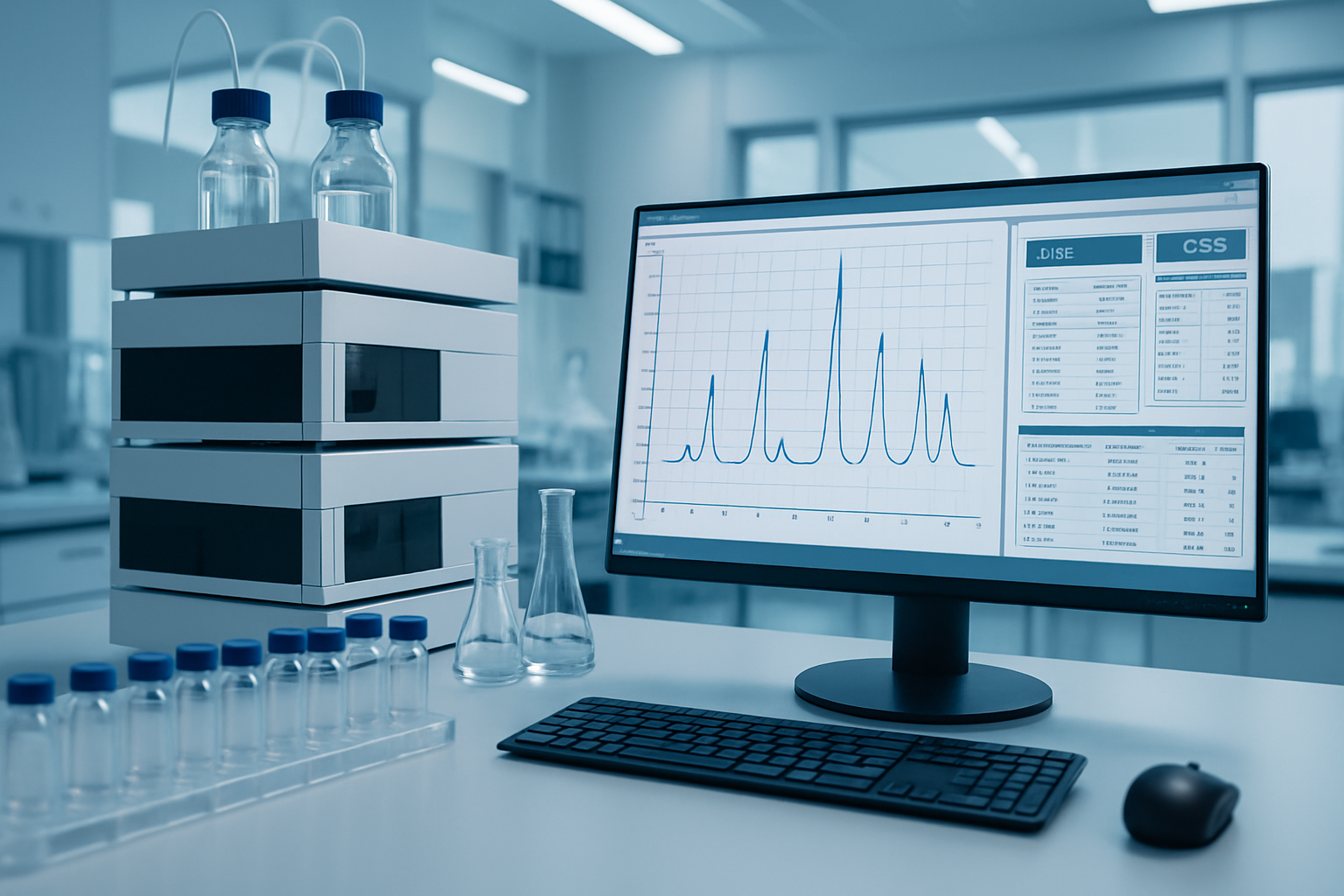
The integration of computer systems in preclinical pharmaceutical development enhances data management and analysis, crucial for meeting regulatory requirements. Key systems like TIMS, CDS, and LIMS play vital roles in ensuring data integrity and efficiency throughout the drug development process.
The integration of computer systems into pharmaceutical development processes has transformed how data is approached, particularly in preclinical stages. This shift is crucial given the significant amount of documentation required for Investigational New Drug (IND) applications, which can reach around 50,000 pages. Adhering to stringent regulations regarding data collection, analysis, management, reporting, auditing, and archiving is vital in this context.
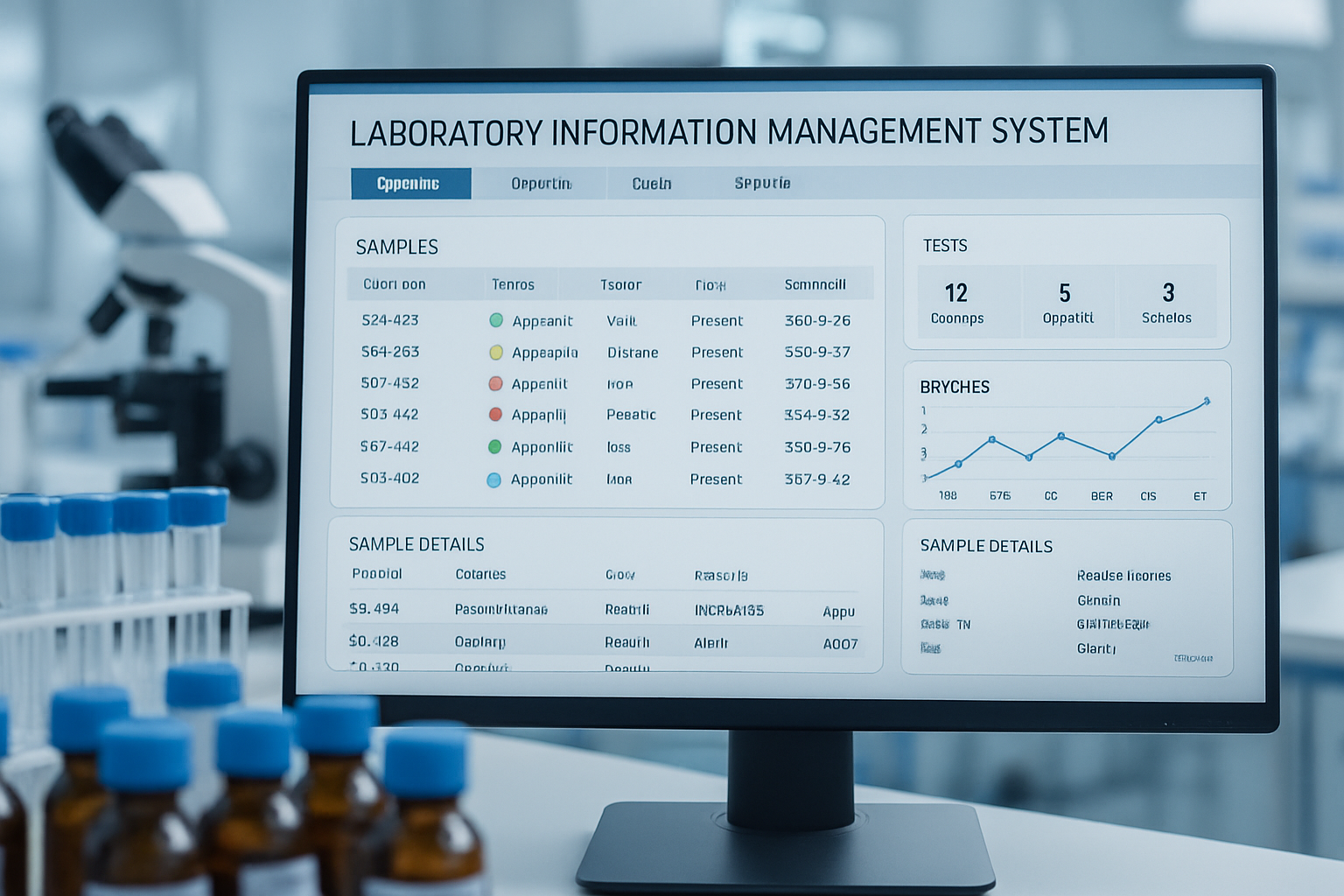
This discussion centres on preclinical development, also referred to as chemical manufacturing and control (CMC). Within this scope, three key systems are indispensable: the text information management system (TIMS), chromatographic data analysis system (CDS), and laboratory information management system (LIMS).
Role of Chromatographic Data Analysis in Pharmaceutical Research
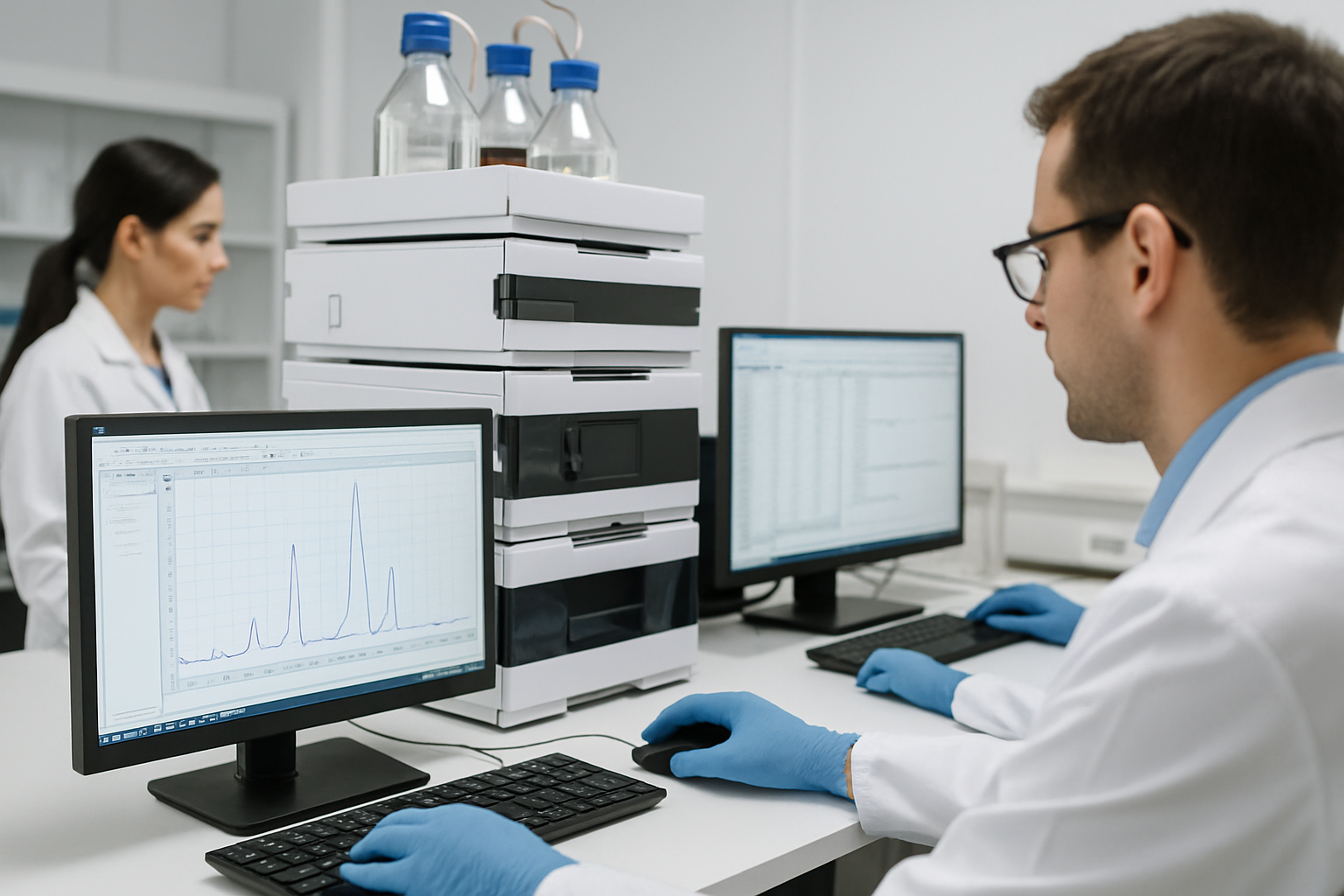
Chromatographic data analysis is vital for ensuring the accuracy and reliability of pharmaceutical assessments. High-performance liquid chromatography (HPLC) and gas chromatography (GC) are the predominant techniques employed in this domain. The specificity of chromatographic methods enables the detection and separation of low-level impurities, a critical factor in evaluating the safety and efficacy of active pharmaceutical ingredients (APIs).
During the early phases of drug development, when understanding of the chemical and physical characteristics of APIs is limited, the ability to accurately identify unknown impurities becomes even more essential. The reliability of the analytical methodologies employed directly impacts API safety, making the role of HPLC and GC in this process indispensable.
Challenges Faced by Traditional CDS
Although CDS systems have significantly enhanced data handling capabilities, they are not without limitations. The initial installation of dedicated hardware can be costly. Furthermore, increasing the user base often necessitates additional minicomputers, complicating scalability. As the number of users grows, system performance can decline, presenting challenges in data processing.
With the rise of electronic data capture in accordance with Good Manufacturing Practice (GMP) and Good Laboratory Practice (GLP) standards, the demand for efficient data management has never been higher. Application servers have emerged as a solution, allowing for the deployment and support of server-based computing applications, while a multiuser operating system facilitates the distribution of applications to client devices.
Advancements in Chromatographic Data Systems
Modernising CDS goes beyond merely adopting server-based systems; it also encompasses enhanced direct instrument control. Traditional CDS relied on directory file structures that partitioned raw data from method files used for instruments. This separation posed risks of accidental data overwriting, which could compromise the integrity of results.
To mitigate this risk, it is essential to implement locking mechanisms for raw data and results files. If reprocessing is required, a system administrator must unlock the files, which adds a layer of control to data integrity. Many LIMS now incorporate embedded relational databases, improving file organisation and access management.
The evolution of CDS systems reflects the increasing complexity and demands of pharmaceutical development, underscoring the importance of robust data management in ensuring compliance with regulatory guidelines while maintaining efficiency and cost-effectiveness.
Comments (0)
Loading comments…
Checking sign-in status…