
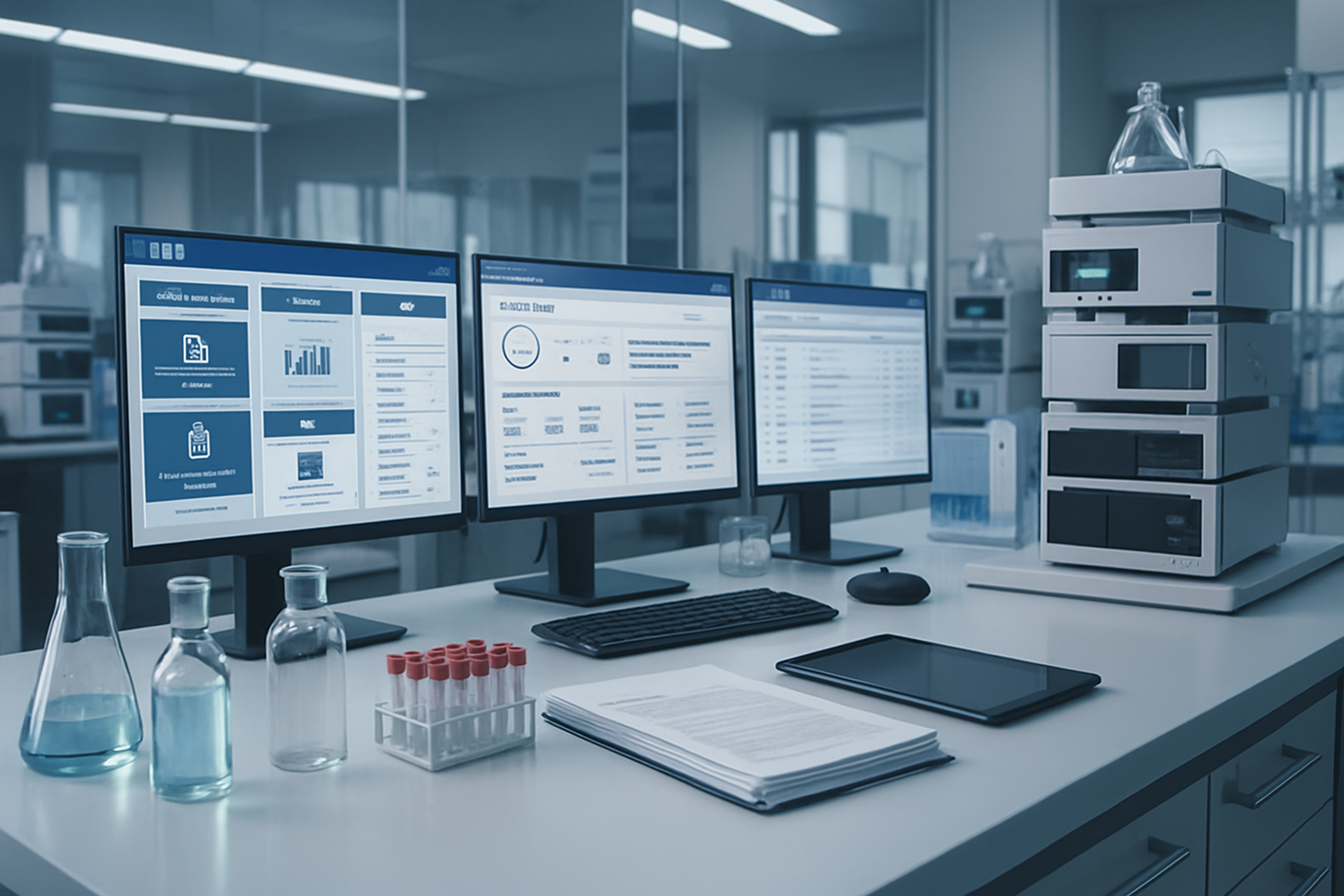
Laboratories in the pharmaceutical sector are adopting Laboratory Information Management Systems (LIMS) and Text Information Management Systems (TIMS) to enhance efficiency, compliance, and data integrity. LIMS streamline operations through automation and precise documentation, while TIMS facilitate effective management of documentation and collaboration in research.
Laboratories in the pharmaceutical sector are increasingly turning to digital solutions to manage samples and associated data effectively. Laboratory Information Management Systems (LIMS) and Text Information Management Systems (TIMS) are pivotal in enhancing operational efficiency, ensuring compliance, and maintaining data integrity.
Overview of Laboratory Information Management Systems
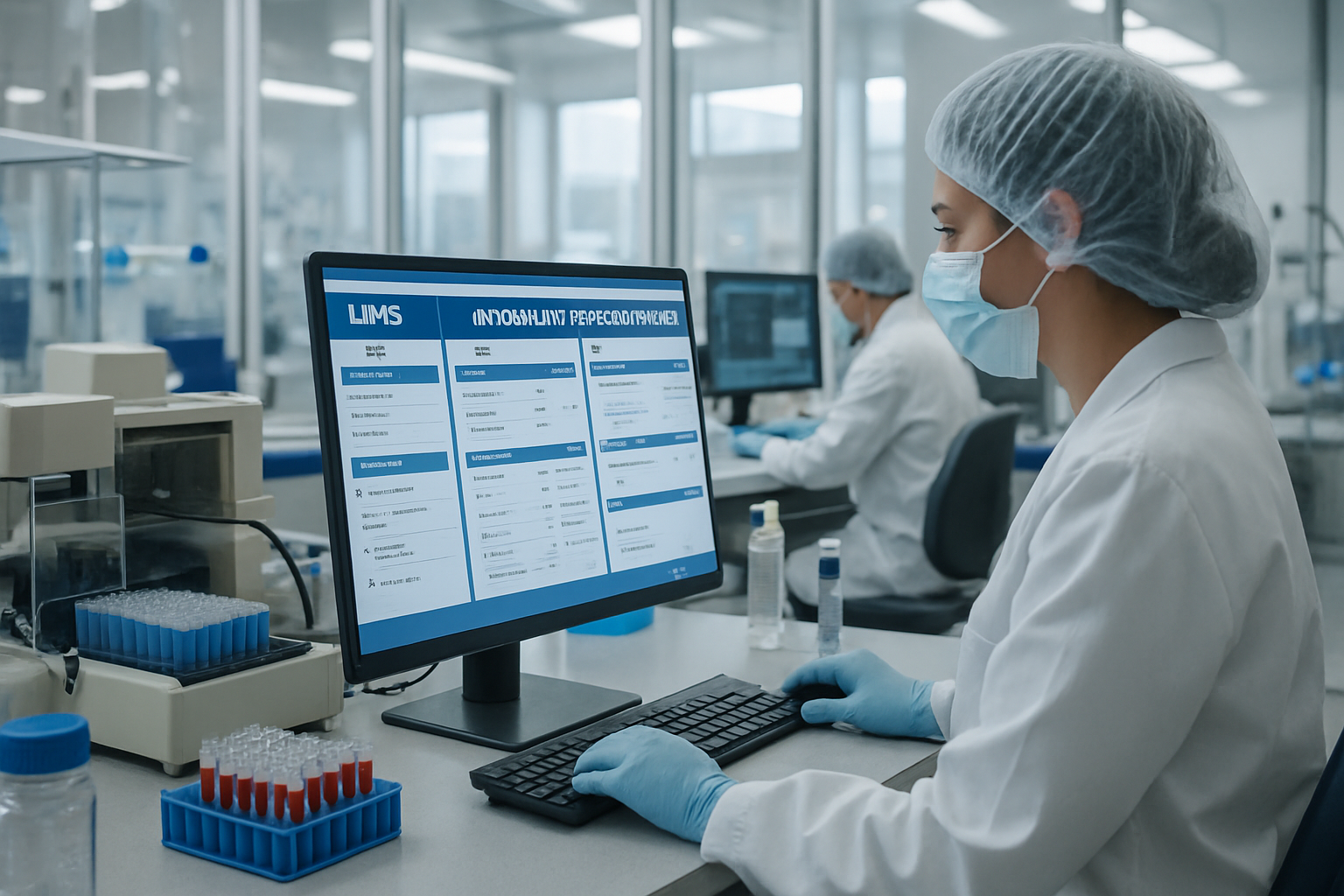
A Laboratory Information Management System (LIMS) is designed to optimise laboratory operations through standardisation of workflows and procedures. By integrating instruments into the LIMS, laboratories can automate data collection while ensuring that equipment is calibrated and operated by trained personnel. The system’s audit and revision control functionalities provide a significant advantage over traditional paper-based methods.
Advantages of Implementing LIMS
LIMS offer several key benefits:
- Management: Facilitates the storage and retrieval of laboratory results.
- Efficiency: Automates routine tasks, allowing laboratory personnel to focus on more critical activities.
- Accuracy: Ensures that results are consistent and reproducible, which is essential for meeting regulatory standards.
Moreover, LIMS can assist laboratories in complying with regulations such as GMP, FDA 21 CFR Part 11, and GLP by meticulously logging the actions taken by personnel and the methodologies employed.
Operational Mechanisms of LIMS
LIMS are structured to minimise manual interventions by enhancing efficiency and precision in laboratory tasks. Key functionalities include:
Variations in LIMS systems may occur based on the manufacturer, with differences in mobile capabilities, customisation options, and technical support.
Sample Documentation and Management
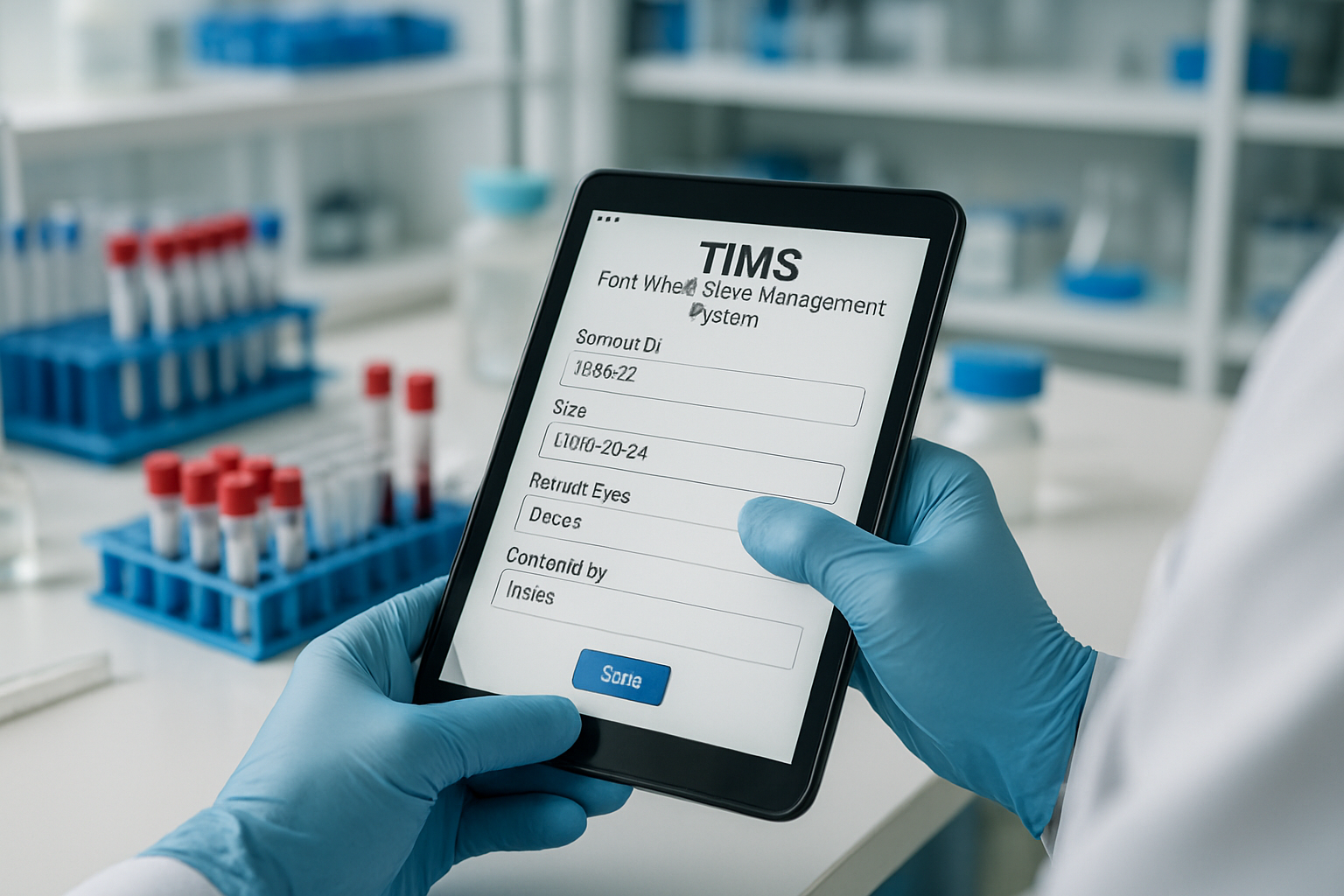
In sample management, LIMS play a crucial role in documenting samples throughout their lifecycle. Information regarding the sample’s origin, handling instructions, and expiration dates can be meticulously recorded. This comprehensive documentation reduces the risks of loss or contamination and helps maintain sample integrity.
Reporting Features
Accurate reporting is a fundamental aspect of laboratory operations. LIMS can automate the generation of daily, weekly, and monthly reports, enabling lab personnel to produce instant reports for immediate decision-making. Direct data input from equipment into the system enhances the accuracy of these reports.
Inventory Tracking
Effective inventory management is vital for laboratory efficiency. LIMS can automate the tracking of supplies, ensuring timely orders are placed based on projected needs. This proactive approach prevents workflow disruptions caused by stock shortages.
Streamlining Laboratory Workflows
By automating task assignments and workflow steps, LIMS contribute to a more streamlined laboratory environment. The system can suggest necessary instruments and equipment based on predefined criteria, enhancing operational efficiency.
Text Information Management Systems in Laboratories
Text Information Management Systems (TIMS) aid scientists in managing documentation efficiently, particularly in report writing. By utilising templates, researchers can compile data and figures effectively, facilitating collaboration through features that allow for tracking changes and version control.
Documentation in Preclinical Development
In preclinical development, TIMS are essential for managing various documentation requirements, including:
- Specification documents and analytical test procedures for drug substances and products.
- Standard Operating Procedures (SOPs) to ensure compliance with established protocols.
- Laboratory notebooks for recording experimental procedures and data.
Access to these documents through a secure database streamlines the workflow and enhances data security.
Current Offerings in TIMS
Several products are available in the TIMS market, ranging from enterprise solutions like Documentum and FileNet to more affordable options from Ingeniux and RedDot Solutions. While TIMS can be costly to implement and maintain, they provide significant advantages over traditional non-GMP/GLP systems, particularly in early-phase development where documentation may not require stringent validation.
[[TABLE_1]]
Comments (0)
Loading comments…
Checking sign-in status…