

21 CFR Part 11 establishes requirements for electronic records and signatures in pharmaceutical laboratories, ensuring data integrity and compliance. It mandates system validation, automated audit trails, and security measures to protect electronic data generated by laboratory instruments.
In modern pharmaceutical laboratories, electronic data systems have supplanted traditional paper records. Instruments such as HPLC, GC, and spectrophotometers generate electronic data that is processed digitally. This transition enhances efficiency and traceability in data management. To address the inherent challenges of electronic documentation, the FDA established 21 CFR Part 11, which sets forth requirements for electronic records and signatures to ensure their reliability and integrity akin to paper records.
Overview of 21 CFR Part 11
21 CFR Part 11 refers to the regulations governing electronic records and signatures under the US Code of Federal Regulations. Initiated by the FDA in 1997, it recognises electronic documentation as equivalent to traditional paper forms. This regulation outlines the necessary measures for managing, securing, and preserving electronic data to uphold data integrity, security, accountability, and compliance with regulatory standards. Its application extends across all FDA-regulated sectors, including pharmaceuticals, biotechnology, and medical devices.
Importance of 21 CFR Part 11 in Laboratory Operations
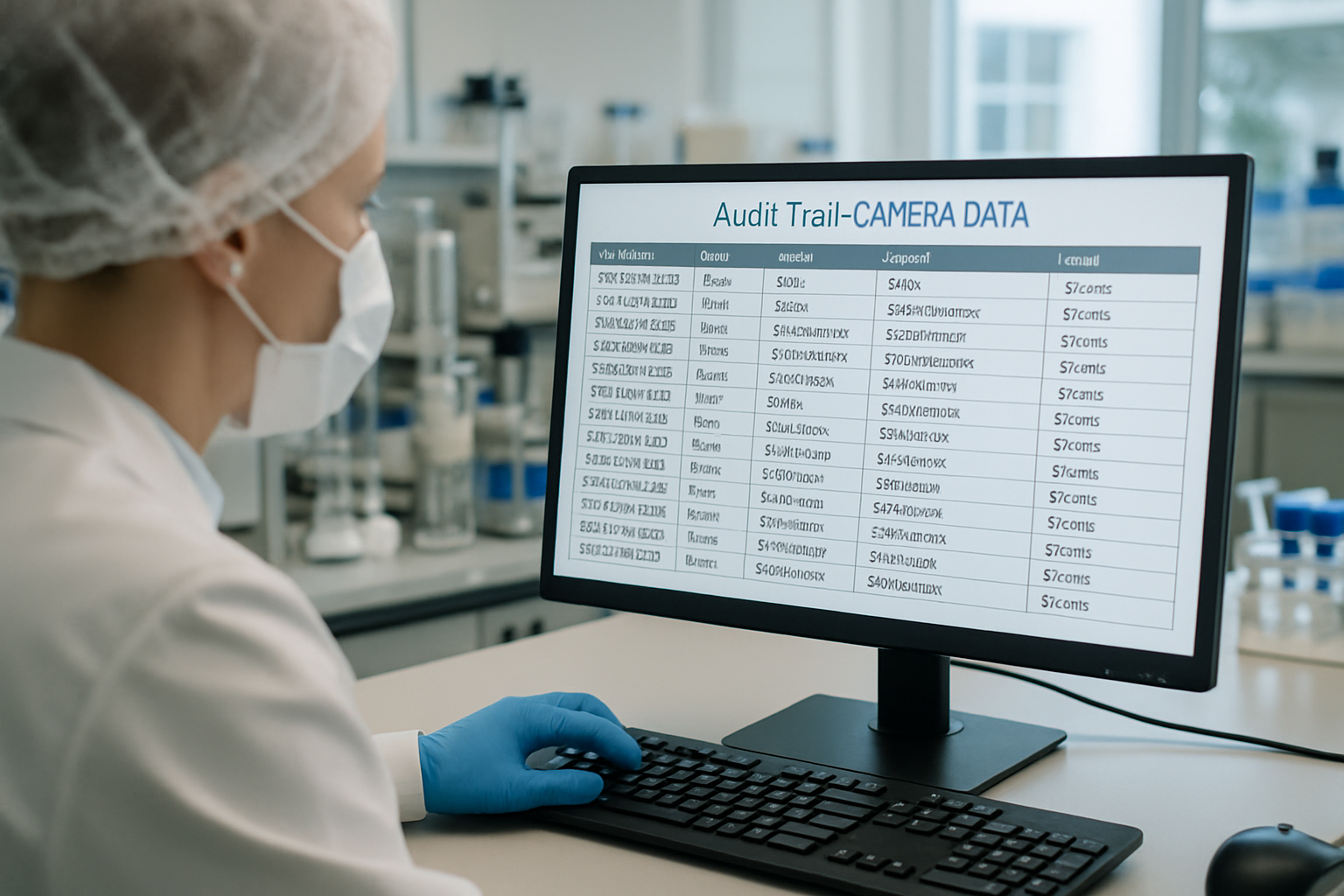
Pharmaceutical labs routinely generate extensive volumes of electronic data, including chromatograms and analytical results, which are critical for quality assurance, batch release, and regulatory submissions. Failing to control this data adequately could result in tampering or loss, potentially leading to regulatory scrutiny or product recalls. Compliance with 21 CFR Part 11 ensures that all laboratory-generated data remains trustworthy and retrievable for the required retention duration, thereby supporting data integrity—a core principle of Good Documentation Practices (GDP) and Good Laboratory Practices (GLP).
Fundamental Requirements of 21 CFR Part 11

This regulation outlines several crucial requirements aimed at ensuring data integrity and accountability within laboratory settings:
- System Validation - Validation is mandatory for any computerized system that generates electronic records, ensuring that it operates as intended. This encompasses installation qualification (IQ), operational qualification (OQ), and performance qualification (PQ). Validation documentation should demonstrate data accuracy and consistency to meet regulatory standards.
- Automated Audit Trails - All actions taken within the instrument or computer system must be automatically recorded, capturing details of user actions and timestamps. Audit trails should track changes, deletions, and approvals of documents, and must remain unalterable. Regular reviews of these trails are essential for maintaining data integrity.
- Security and Access Control Measures - Access to systems and equipment must be restricted to authorised users only. Each user should have an individual identification and password. Permissions should be managed according to job responsibilities and shared accounts must be avoided.
- Electronic Signature Protocols - Electronic signatures need to be unique to each individual and must clearly identify the signer's intention (such as review or approval). These signatures must be designed to prevent unauthorised use.
- Standards for Record Retention and Archiving - Electronic records must be securely stored for the mandated retention period, ensuring they are retrievable in a human-readable format. Data backup systems should be fortified against loss.
- Training and Policy Implementation - Personnel using computerised systems must undergo training on the requirements of Part 11. Written SOPs should govern data handling, security management, password protocols, backup procedures, and audit trail reviews.
FDA's Guidance on 21 CFR Part 11
In 2003, the FDA provided further clarification regarding the application of Part 11. This guidance emphasises the significance of data integrity and system controls, advocating for the application of controls based on the potential impact of data on product quality and patient safety. The integration of hybrid systems, that combine both electronic and paper records, is permissible as long as it maintains data integrity.
Strategies for Achieving Compliance with 21 CFR Part 11
Loading flowchart…
To maintain compliance with 21 CFR Part 11, organisations should adopt the following practices:
Evaluating Current Systems
Carry out a gap analysis to pinpoint areas of non-compliance within systems and instruments. Review functionalities related to audit trails, user access, data backup, and archiving processes to verify their effectiveness.
Creating a Validation Strategy
Each system should have a detailed validation plan alongside testing reports that document any changes or upgrades, as well as periodic reviews of analytical instruments.
Establishing Technical Controls
Implement automated audit trails, limit administrative access, and ensure that secure, validated backup systems protect analytical data and reports.
Enhancing Procedural Controls
Draft SOPs focused on data management, change control, and security. Conduct regular training sessions to raise awareness of Part 11 standards among laboratory staff.
Conducting Internal Audits
Perform regular audits to identify system weaknesses and address any findings through corrective and preventive actions, ensuring effective implementation of these measures.
Challenges in Achieving Part 11 Compliance
Despite the clear directives for compliance, laboratories often encounter several pitfalls, such as:
- Utilising shared login credentials across multiple users.
- Disabling audit trails to conserve system resources.
- Neglecting to validate software post-upgrade.
- Failing to review electronic audit trails during batch record evaluations.
These practices can lead to serious data integrity breaches and regulatory penalties, as evidenced by numerous FDA warning letters directed at analytical laboratories.
Overview: advantages of Compliance with 21 CFR Part 11
Complying with Part 11 requires significant investment but yields considerable benefits, such as:
- Increased data availability and traceability.
- More efficient regulatory inspections.
- Enhanced data security and backup processes.
- Improved confidence in analytical outcomes.
- Reduced risk of data integrity violations and related regulatory actions.
Adhering to 21 CFR Part 11 fosters a reliable framework for the management of electronic data within pharmaceutical laboratories. Given the direct implications of analytical results on patient safety and compliance, the establishment of robust validation systems, access controls, and audit trails is crucial. A culture of transparency within laboratories not only aids compliance but also prepares them for regulatory scrutiny.
Common Inquiries Regarding 21 CFR Part 11
Q1. Which laboratory systems are subject to Part 11 compliance?
Any computerized system that creates, modifies, stores, or transmits electronic records in connection with GMP, GLP, and GCP activities must comply with 21 CFR Part 11. This includes systems like LIMS, CDS, HPLC software, GC software, UV spectrophotometer software, stability systems, and quality management systems.
Q2. What does system validation entail under Part 11?
System validation refers to the assurance that a computerized system consistently performs as intended, which entails documentation of requirements, function testing, and reliability verification of the software.
Q3. What constitutes an audit trail and what is its significance?
An audit trail is a comprehensive log of actions that accurately records who performed what actions and when. It ensures transparency and prevents data manipulation, making it a critical component of data integrity.
Q4. Is an audit trail mandatory for all electronic records?
Yes, all systems that record electronic data must maintain an audit trail that is immutable and cannot be deactivated.
Q5. What are the regulations surrounding electronic signatures?
Electronic signatures must be unique to individual users, verifiable, and securely linked to records generated by that user. Measures must be in place to prevent unauthorized usage of these signatures.
Q6. Are hybrid systems subject to Part 11 regulations?
Yes, hybrid systems, which merge electronic and paper records, must adhere to Part 11 regulations for the electronic aspects of record-keeping.
Q7. What are the best practices for record retention in laboratories?
Electronic records in pharmaceutical laboratories should be stored securely in a tamper-proof environment, ensuring that they remain accessible for the duration mandated by regulations.
Q8. What training is essential for compliance with Part 11?
All personnel using computerized systems must receive training on system functionalities, data security protocols, and the expectations surrounding electronic signatures and data integrity as mandated by regulatory authorities.
Comments (0)
Loading comments…
Checking sign-in status…