

Form 483 observations highlight potential regulatory violations in validation processes, impacting product quality and patient safety. Organizations must respond promptly and effectively to address these observations and improve compliance with Good Manufacturing Practices.
Form 483 observations can significantly impact pharmaceutical organisations, especially when they pertain to validation processes. Such observations often highlight potential regulatory violations that can affect product quality, data integrity, and patient safety. While a Form 483 does not constitute a final judgement of non-compliance, it serves as a critical opportunity for organisations to clarify their positions and develop corrective action plans. Understanding how to navigate this process is essential for maintaining compliance with Good Manufacturing Practices (GMP).
Insights into Form 483 Observations

A Form 483 is issued by inspectors after identifying conditions that may contravene FDA regulations during their assessment of a manufacturing facility. Common reasons for receiving a Form 483 include:
- Insufficient validation studies
- Poor documentation practices
- Weak change control measures
- Data integrity concerns
Receiving a Form 483 should be treated with urgency, as it signals potential compliance issues that require immediate attention.
Defining the Appeal Process
Loading flowchart…
Appealing a Form 483 does not imply a legal challenge. Instead, it involves crafting a well-supported response that:
- Clarifies any misunderstandings regarding the observation
- Provides additional evidence to justify the organisation's actions
- Demonstrates alignment with regulatory guidelines
Even if the response disagrees with the inspector's findings, it must include a rationale backed by supporting data.
Initial Response: Maintaining Composure
One of the most detrimental reactions to a Form 483 is an emotional response. Such reactions can undermine the authority of your reply. A more effective approach involves:
- Thoroughly reviewing the observation
- Identifying the inspector's concerns
- Gathering supporting documents
- Collaborating with other departments to strengthen your case
A calm, rational approach enhances the credibility of your response.
Examining Validation Observations
To formulate an effective response, it is crucial to understand the specific nature of the validation observation. Consider these guiding questions:
- Is the observation related to documentation or execution?
- Does it indicate missing or inadequate validation?
- Are there data integrity issues?
- Was there a misunderstanding during the inspection?
The answers will help determine whether the response should focus on corrective actions, clarifications, or justifications.
Addressing Disagreements Professionally
When an organisation disagrees with an observation, it is vital to communicate this professionally. A well-structured response should include:
- Respectful language and factual content
- Clear scientific rationale for the disagreement
- Supporting documents and references
- A non-defensive tone
For instance, if your validation study is deemed inadequate, your response could include the validation protocol, risk assessment evidence, and compliance documentation.
Conducting Root Cause Analysis
Even if you intend to contest an observation, conducting a root cause analysis demonstrates a commitment to addressing the issue seriously. A robust analysis should:
- Identify the underlying causes rather than just the symptoms
- Be supported by data and evidence
- Relate to the corrective actions proposed
For example, if missing documentation is the issue, the root cause might be insufficient training or inadequate review procedures.
Creating Effective CAPA Plans
Corrective and Preventive Actions (CAPA) are crucial in addressing the concerns raised in a Form 483. An effective CAPA should:
- Directly address the initial problem
- Prevent recurrence
- Be realistic and achievable
- Include clearly defined timelines
Incorporating a CAPA into your response signals proactive engagement with the issue.
The Role of Supporting Documentation
Without adequate supporting documentation, your response may lack the necessary weight. Essential documents include:
- Validation protocols and reports
- Standard Operating Procedures (SOPs)
- Training records
- Risk assessments
- Change control records
These documents should be well-organised, clear, and comprehensible.
Response Timelines and Submission Protocols
Responses to Form 483 observations should typically be submitted within 15 working days. Timely submissions are critical as delays can lead to negative perceptions and potential regulatory actions. Your response must be:
- Well-organised
- Clear and unambiguous
Timely submissions reflect a serious commitment to compliance.
Avoiding Common Pitfalls
Many organisations undermine their responses through avoidable mistakes. Common errors include:
- Using vague or generic responses
- Neglecting the main cause of the observation
- Failing to utilise supporting documentation
- Employing emotional or defensive language
- Missing submission deadlines
By steering clear of these pitfalls, the chances of a successful response increase significantly.
The Role of Quality Assurance
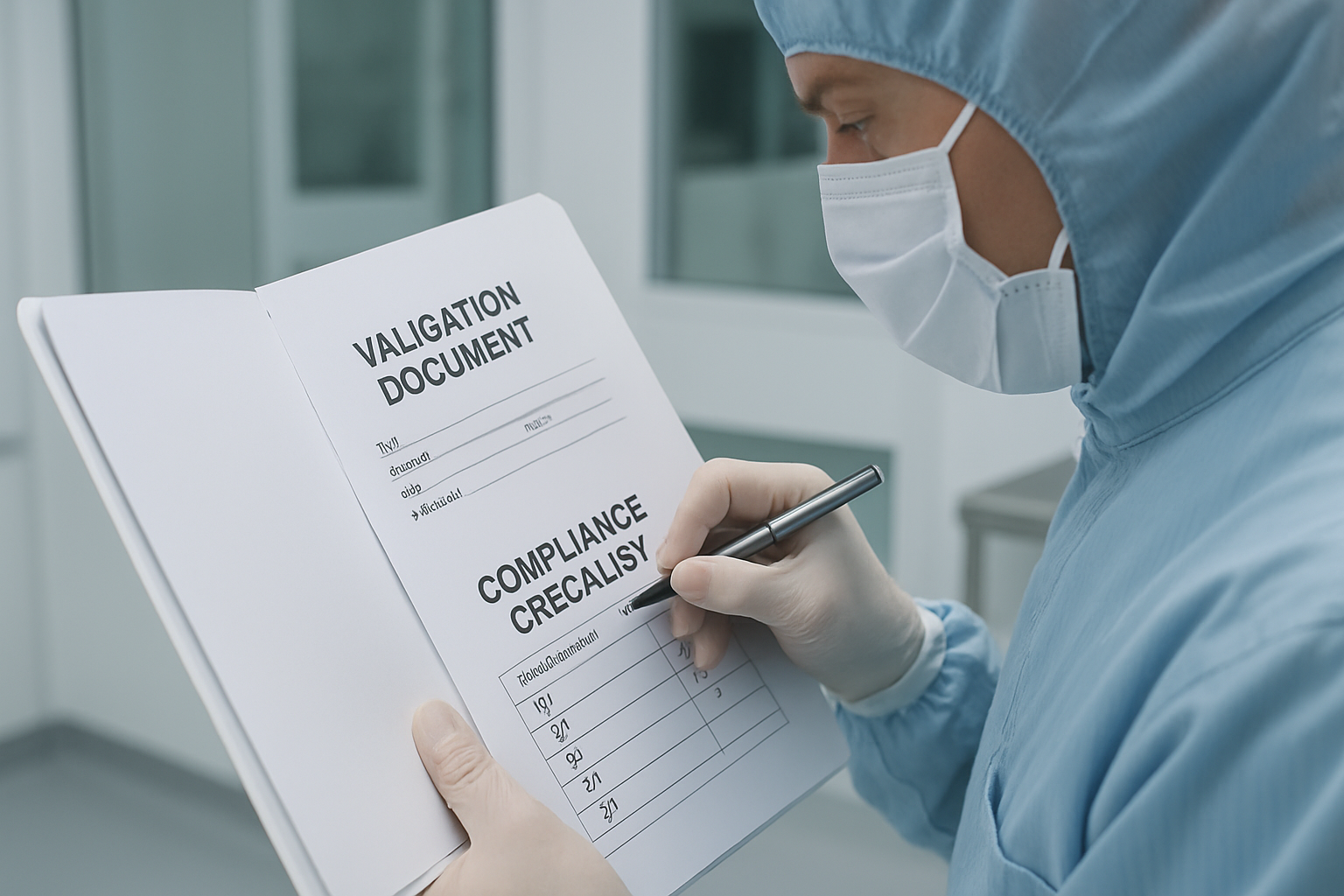
Quality Assurance (QA) plays a pivotal role in addressing Form 483 observations. Key responsibilities include:
- Reviewing and approving the response
- Ensuring the response is accurate and comprehensive
- Coordinating with other departments to complete necessary actions
- Confirming the implementation of CAPA
An effective QA team is essential for ensuring that responses meet GMP standards.
Inspector Evaluation Criteria
Regulators assess responses based on clarity, completeness, and the organisation's willingness to comply. They look for:
- Evidence of understanding
- Justification based on evidence
- Implementation of effective corrective actions
- Timely execution of these actions
A well-prepared response can mitigate the need for escalated regulatory actions.
A Long-Term Perspective Following a Form 483
Addressing a Form 483 should not be viewed solely as a means to rectify a single observation. Instead, it should contribute to long-term improvements within the organisation. Companies should focus on:
- Strengthening validation systems
- Enhancing documentation practices
- Improving training programmes
- Conducting internal audits
Such measures will help prevent similar observations in future inspections. While receiving a Form 483 observation can be challenging, it also presents an opportunity to demonstrate compliance and enhance organisational processes.
Comments (0)
Loading comments…
Checking sign-in status…