
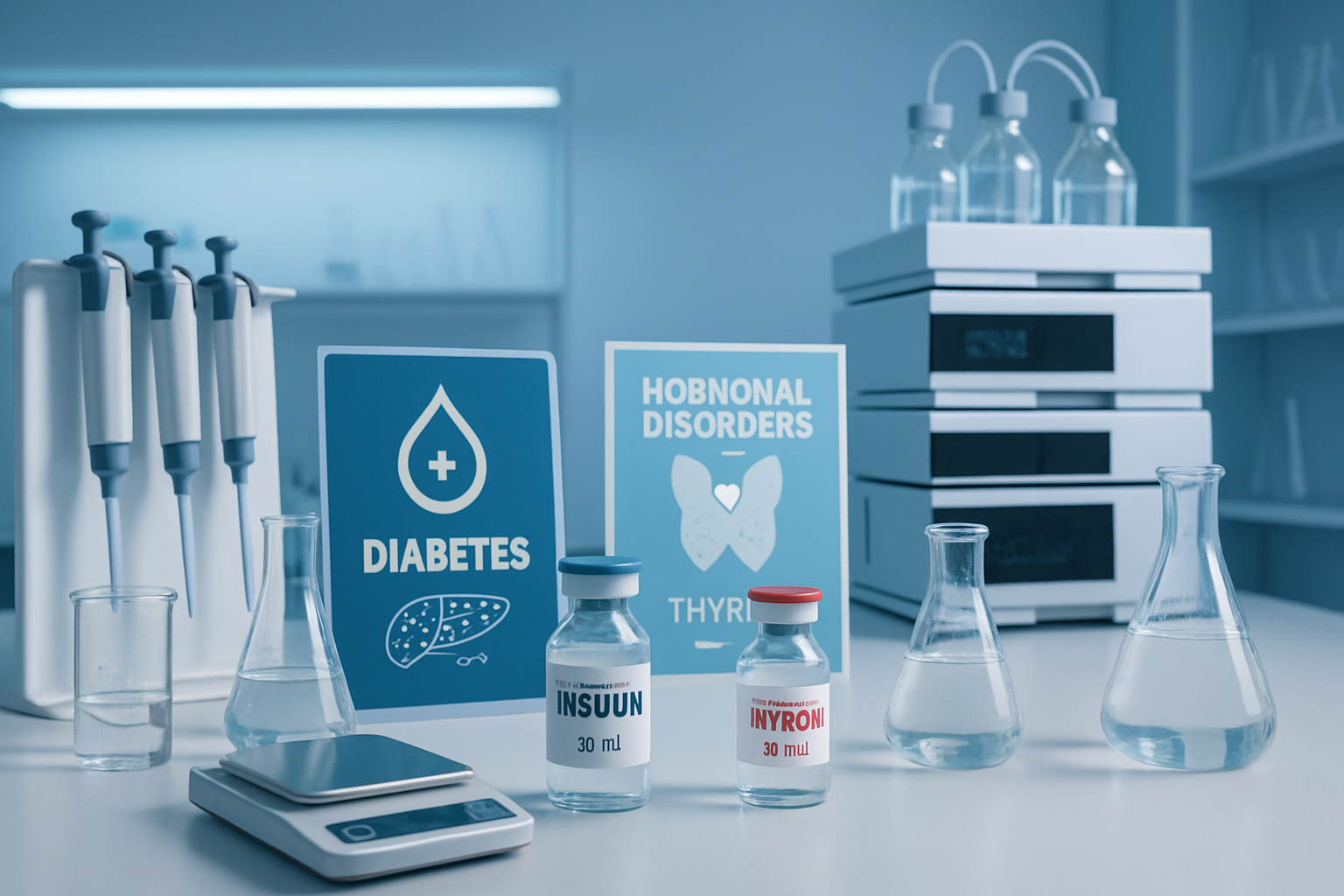
Diabetes, thyroid disorders, and hormonal imbalances significantly impact health and require understanding for effective management. The article outlines the types, symptoms, and causes of these conditions.
Diabetes, thyroid disorders, and hormonal imbalances are significant health concerns that can affect multiple body systems. Understanding these conditions is essential for effective management and treatment.
Diabetes Overview

Diabetes mellitus is a chronic condition marked by elevated blood sugar levels. This occurs when the body either fails to produce sufficient insulin or cannot use insulin effectively. Insulin is a crucial hormone that facilitates the movement of glucose from the bloodstream into cells, where it is either stored or converted into energy. Persistent high blood sugar can lead to complications affecting the nerves, kidneys, eyes, and other organs.
There are several types of diabetes:
- Type 1 Diabetes: An autoimmune disorder where the immune system attacks pancreatic cells responsible for insulin production. This type accounts for approximately 10% of diabetes cases.
- Type 2 Diabetes: This form arises when the body becomes resistant to insulin, leading to elevated blood sugar levels.
- Prediabetes: A condition where blood sugar levels are elevated but not high enough for a diabetes diagnosis.
- Gestational Diabetes: This type can develop during pregnancy due to hormones produced by the placenta that interfere with insulin.
- Diabetes Insipidus: A rare condition unrelated to diabetes mellitus, characterised by excessive thirst and urination due to kidney function.
Symptoms of Diabetes
Common symptoms associated with diabetes include:
- Weight loss
- Non-healing sores
- Increased thirst
- Blurry vision
- Increased hunger
- Extreme fatigue
In men, diabetes may lead to erectile dysfunction, reduced libido, and muscle weakness. Women may experience urinary tract infections and yeast infections.
Thyroid Disorders
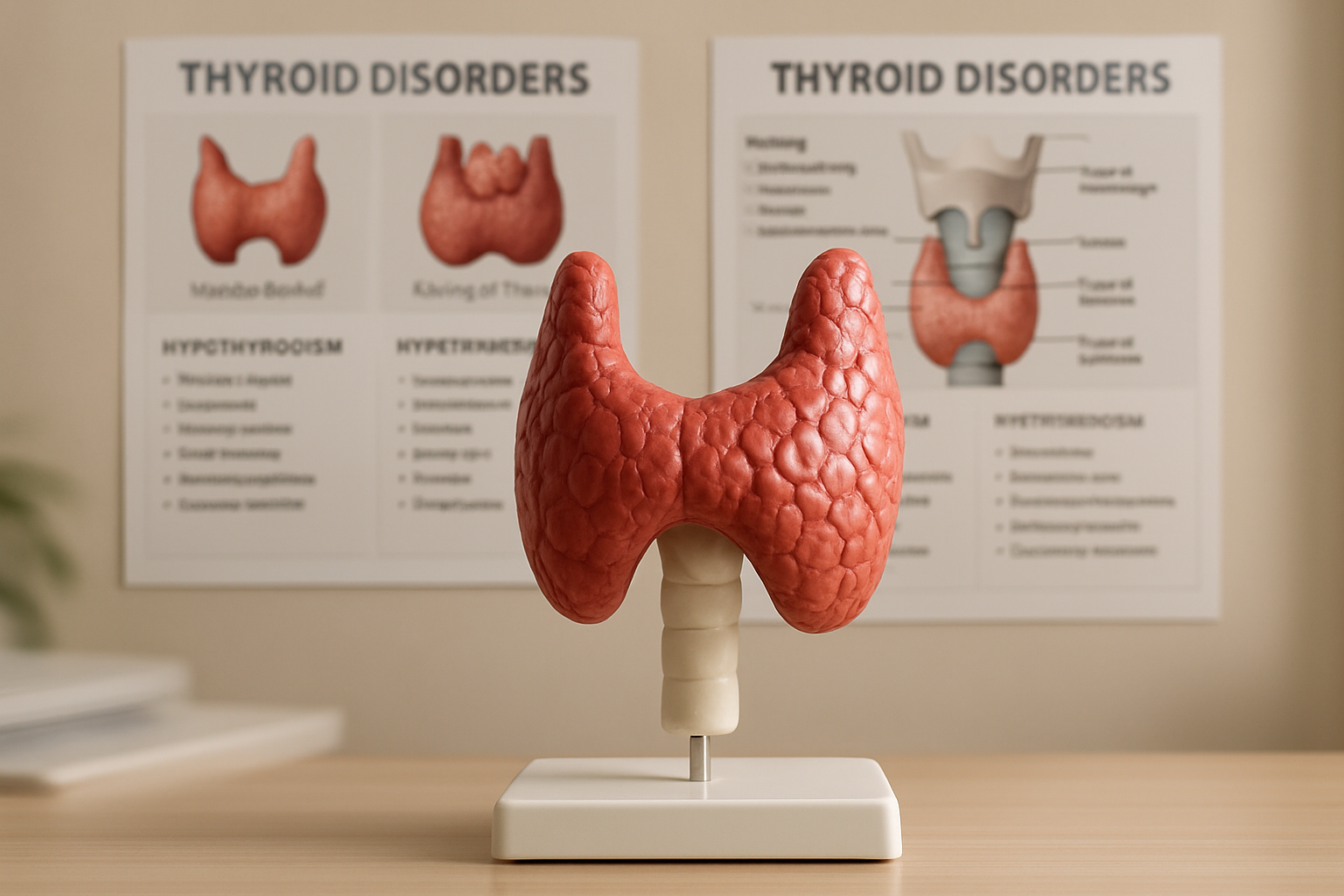
The thyroid gland plays a vital role in regulating various bodily functions through the production of thyroid hormones. Dysregulation in hormone production can lead to conditions such as hyperthyroidism and hypothyroidism.
Hypothyroidism can result from several factors, including:
- Thyroiditis: Inflammation of the thyroid gland that can reduce hormone production.
- Hashimoto's Thyroiditis: An autoimmune condition where the body's immune system attacks the thyroid.
- Postpartum Thyroiditis: Occurs in some women after childbirth, typically resolving without treatment.
- Iodine Deficiency: Insufficient iodine intake affects hormone synthesis, impacting millions globally.
- Congenital Hypothyroidism: A rare condition present at birth, requiring prompt diagnosis to prevent developmental issues.
Hyperthyroidism may arise from conditions such as Graves' disease, toxic nodular goiter, or excessive iodine intake from medications.
Sex Hormone Disorders
Sex hormone disorders predominantly affect women, often linked to the menstrual cycle and menopause. These conditions can arise from injury or disease affecting the organs responsible for hormone production, including the ovaries, testes, adrenal glands, and pituitary gland.
Common causes of sex hormone disorders include:
- Surgical removal of testicles
- Medications like steroids
- Infections or diseases affecting hormone-producing organs
- Excessive alcohol consumption
Symptoms of Hormonal Imbalances
Sex hormone disorders can result in a variety of symptoms, leading to conditions such as:
- Polycystic Ovary Syndrome (PCOS): A hormonal imbalance causing menstrual irregularities and difficulties in conception.
- Hirsutism: Excessive hair growth in women due to elevated androgen levels.
- Hypogonadism: Insufficient hormone production leading to fatigue, muscle loss, low bone density, and decreased libido.
These disorders can also result in personality changes, breast swelling, impotence, increased sexual desire, and aggressive behaviour.
Comments (0)
Loading comments…
Checking sign-in status…