
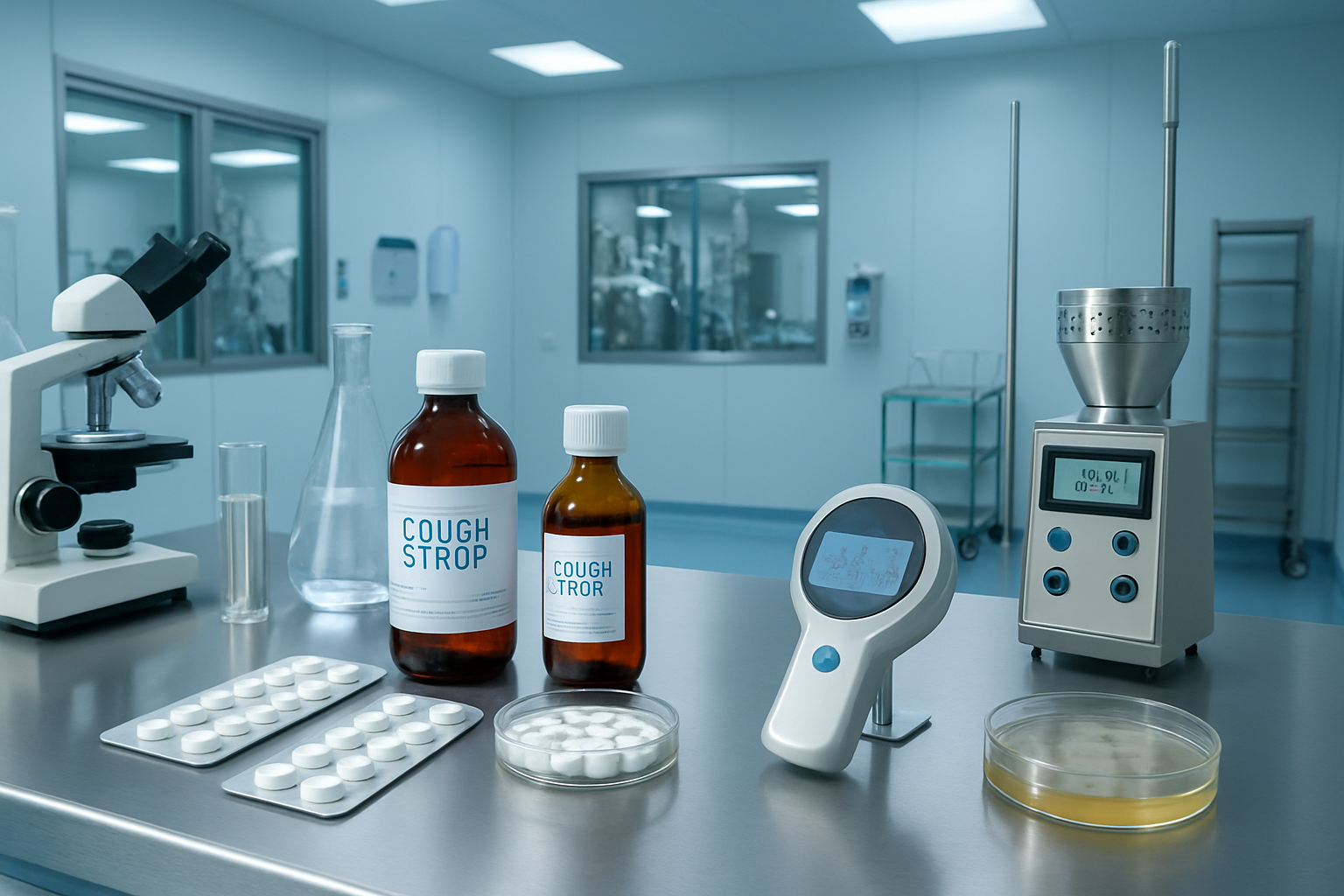
Microbial management is vital in non-sterile pharmaceutical manufacturing to prevent contamination and ensure product safety. Effective control strategies include risk-based product development, supplier qualification, and rigorous environmental monitoring.
Microbial management is crucial in the realm of pharmaceuticals, particularly for non-sterile products. While sterile manufacturing environments are carefully controlled, non-sterile products such as tablets, capsules, and syrups are produced in facilities that may not maintain the same stringent conditions. This discrepancy necessitates rigorous microbiological control to mitigate contamination risks and ensure product safety. Inappropriate microbial levels can lead to severe patient health risks and potential regulatory repercussions for manufacturers.
Identifying Risks: The Need for Effective Control
Non-sterile pharmaceutical items, which include medications like ointments and creams, are not subjected to sterilisation during production. This inherently exposes them to microbial growth, which can occur either during manufacturing or throughout their shelf life. Key types of microbial risks associated with these products include:
- Pathogenic microbes: Organisms such as E. coli and Salmonella can induce diseases if present in pharmaceutical products.
- Spoilage organisms: While not pathogenic, these microbes can influence product stability, affecting attributes like colour and viscosity.
- Other potential contaminants: These may arise from equipment, water systems, personnel interactions, or environmental factors.
An effective microbiological control programme integrated with a comprehensive quality management system (QMS) is essential to mitigate these risks.
Regulatory Requirements
Regulatory bodies and pharmacopeial standards provide specific guidelines on microbial contamination in non-sterile products. Key references include:
- USP Chapter 1111: Microbiological Examination of Non-Sterile Products
- USP Chapters 61 and 62: Microbial Enumeration and Tests for Specified Microorganisms
- ICH Q9: Quality Risk Management
- WHO GMP Guidelines
- PIC/S Guidelines
- FDA 21 CFR Part 211: Good Manufacturing Practices for Finished Pharmaceuticals
These regulations mandate that companies maintain strict microbial control throughout manufacturing and the entire shelf life of their products.
Effective Approaches to Strengthen Microbial Control

Loading flowchart…
Implementing robust strategies for microbiological oversight during non-sterile product manufacturing is essential. Consider the following approaches:
Overview: 1. Risk-Based Product Development
The foundation of microbiological control begins in product development. Selection of appropriate preservatives that effectively target a diverse range of potential contaminants is critical. Adjusting formulation parameters such as pH and water activity can further inhibit microbial growth. Conduct preservative efficacy testing in accordance with pharmacopeial standards during development.
Overview: 2. Supplier Qualification and Raw Material Management
Raw materials are a primary source of contamination in pharmaceutical products. It is vital to audit and qualify vendors to ensure they effectively manage microbial risks. Implement thorough microbial testing protocols for all raw materials and avoid those with a higher bioburden.
3. Water System Management
The quality of purified water used in the production process must be diligently monitored. Water systems should be designed to include loop circulation with minimal dead legs to prevent microbial colonisation. Regular monitoring and trend analysis of microbial counts in water samples are necessary to identify potential system failures.
Overview: 4. Environmental Monitoring and Facility Layout

While non-sterile manufacturing environments may have less stringent requirements than sterile ones, they still require monitoring to control contamination. Maintaining controlled temperature and humidity is crucial. An effective environmental monitoring programme, encompassing air and surface sampling, should be in place. Strategies such as maintaining clean surfaces, utilising HEPA filters, and adhering to unidirectional workflow can significantly enhance contamination control.
5. Cleaning and Sanitisation of Equipment
Inadequate cleaning procedures can allow microbial contamination to persist or transfer between batches. Cleaning protocols must be validated, employing swabs and rinse samples to confirm efficacy. Rotating disinfectants is advisable to prevent the development of microbial resistance. Implementing a system for visual inspections and maintaining cleaning logs is also beneficial. Clean-in-place and steam-in-place systems should be employed as needed.
Overview: 6. Hygiene Practices and Personnel Gowning
Personnel interactions with products are a significant contamination risk in non-sterile manufacturing. Establishing stringent personal hygiene practices, including thorough hand washing and appropriate grooming, is essential. Personnel should be trained regularly on hygiene practices and contamination risks, with monitoring through hand and garment swabs to enhance compliance.
Overview: 7. Comprehensive Sampling and Testing Procedures
Utilising recognised pharmaceutical methods, such as USP chapters 61 and 62, for microbial testing is crucial. It is necessary to conduct testing on raw materials, in-process materials, and finished products to ascertain microbial levels and pathogen presence. Ensuring appropriate sample storage, handling, and preparation is vital to maintain sample integrity.
8. Microbial Trending and Analytical Review
Monitoring trends in microbial data is fundamental for analysing contamination risks. Establish trend lines for various parameters, including product testing, water analysis, and environmental monitoring. Statistical tools can help identify microbiological risks early, prompting timely investigations and root cause analyses.
9. Corrective Actions and Continuous Improvement
Out-of-specification results must be managed through thorough investigation, corrective and preventive actions, and revalidation of processes. Continuous learning from these incidents enhances the overall microbial control framework over time.
Overview: 10. Documentation and Data Integrity
Robust documentation practices are integral to microbiological control. All data should be recorded in real-time, free from manipulation. Ensuring traceability in sample analysis, including analyst signatures and testing conditions, is necessary. Adhering to data integrity standards and ALCOA+ principles is essential for maintaining compliance.
Case Study: Enhancing Microbial Control in a Syrup Production Facility
A syrup manufacturing company identified recurrent microbial contamination issues. A comprehensive review of their processes revealed inadequacies in the cleaning of holding tanks, ineffective preservatives, and subpar sampling methods. Corrective measures included revising cleaning protocols, validating clean-in-place procedures, reformulating products with a broad-spectrum preservative, and retraining staff on aseptic sampling techniques. As a result, the company experienced a 90% reduction in microbial failures within six months, subsequently passing regulatory inspections without observations.
Maintaining microbial control in non-sterile pharmaceutical production is not merely a regulatory requirement; it is essential for ensuring product effectiveness and safety. Although these products are not sterile, their microbial content must remain within acceptable limits and free from specified harmful microorganisms. By adopting effective microbiological control strategies, pharmaceutical manufacturers can reduce recall incidents and prolong product shelf life.
Comments (0)
Loading comments…
Checking sign-in status…