

Sterile pharmaceutical production faces challenges such as microbial contamination, particulate matter, facility management, and human error. The article discusses these issues, their causes, and strategies for mitigation to ensure product safety and compliance.
Sterile pharmaceutical production presents unique challenges, as the quality and safety of injectable products depend on maintaining a contamination-free environment. Any lapse in this process can lead to serious consequences, including patient harm and regulatory repercussions. This article outlines the significant issues encountered in sterile manufacturing, their underlying causes, and effective strategies for mitigation.
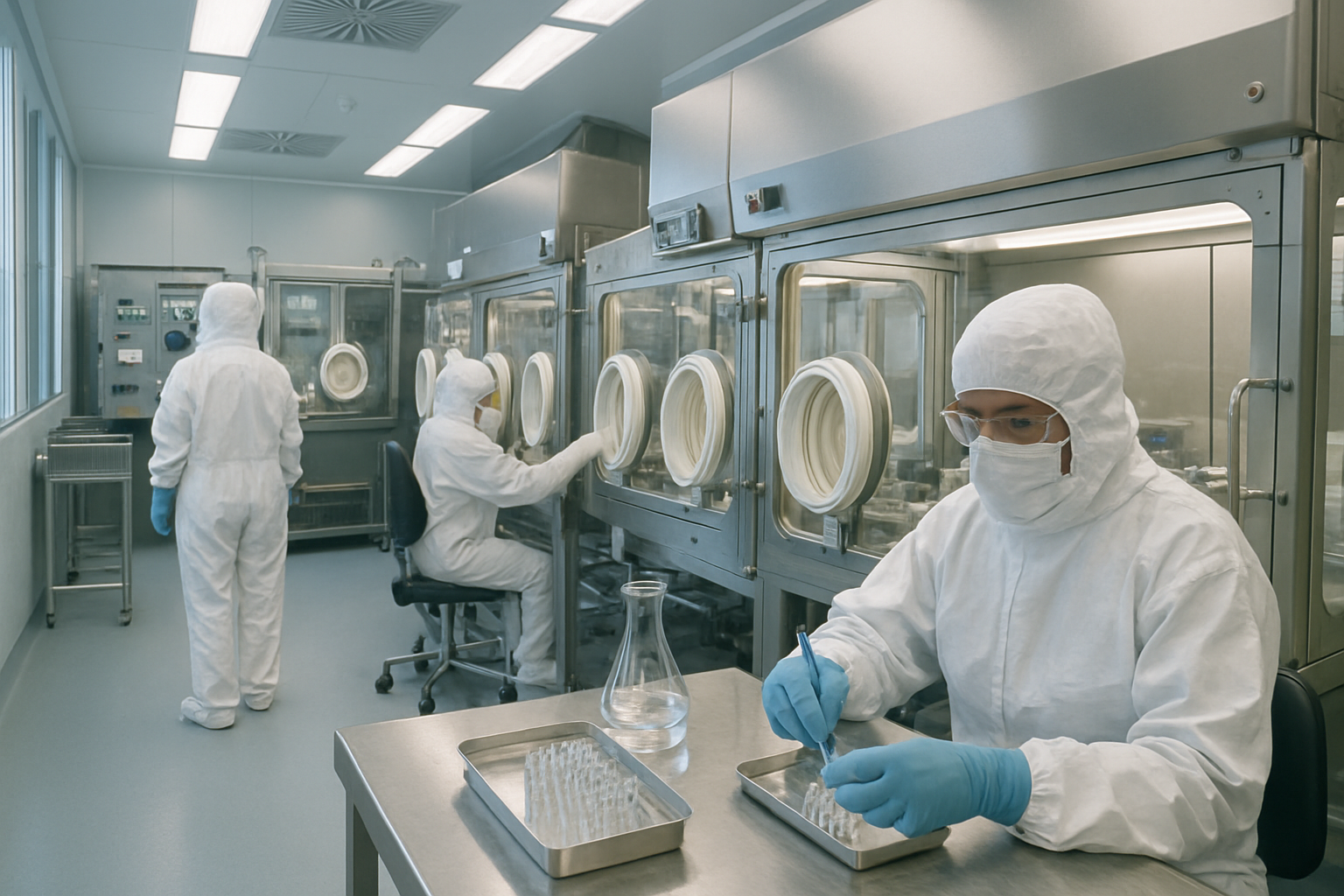
1. Microbial Contamination Issues
Microbial contamination remains a significant threat in sterile pharmaceutical production. The presence of microorganisms such as bacteria, fungi, and spores can lead to compromised products that pose serious risks to patient safety.
Contributing Factors
Several factors can lead to microbial contamination in sterile settings:
- Poor aseptic techniques employed by personnel
- Failures in HVAC and air handling units (AHUs)
- Inadequate environmental monitoring systems
- Insufficient sterilization or decontamination practices
- Equipment and material malfunctions
- Improper gowning protocols and excessive human intervention in clean areas
Mitigation Strategies
Loading flowchart…
To combat microbial contamination, consider the following measures:
- Thorough training on aseptic processing for all personnel, with regular evaluations
- Active monitoring of viable and non-viable particles in critical areas to catch contamination early
- Utilisation of isolators and restricted access barrier systems (RABS) to limit human interaction
- Adherence to rigorous cleaning and disinfection protocols, including regular validation of cleaning agents against target microbes
- Conducting root cause analyses for any contamination incidents to prevent recurrence
Overview: 2. Contamination by Particulate Matter
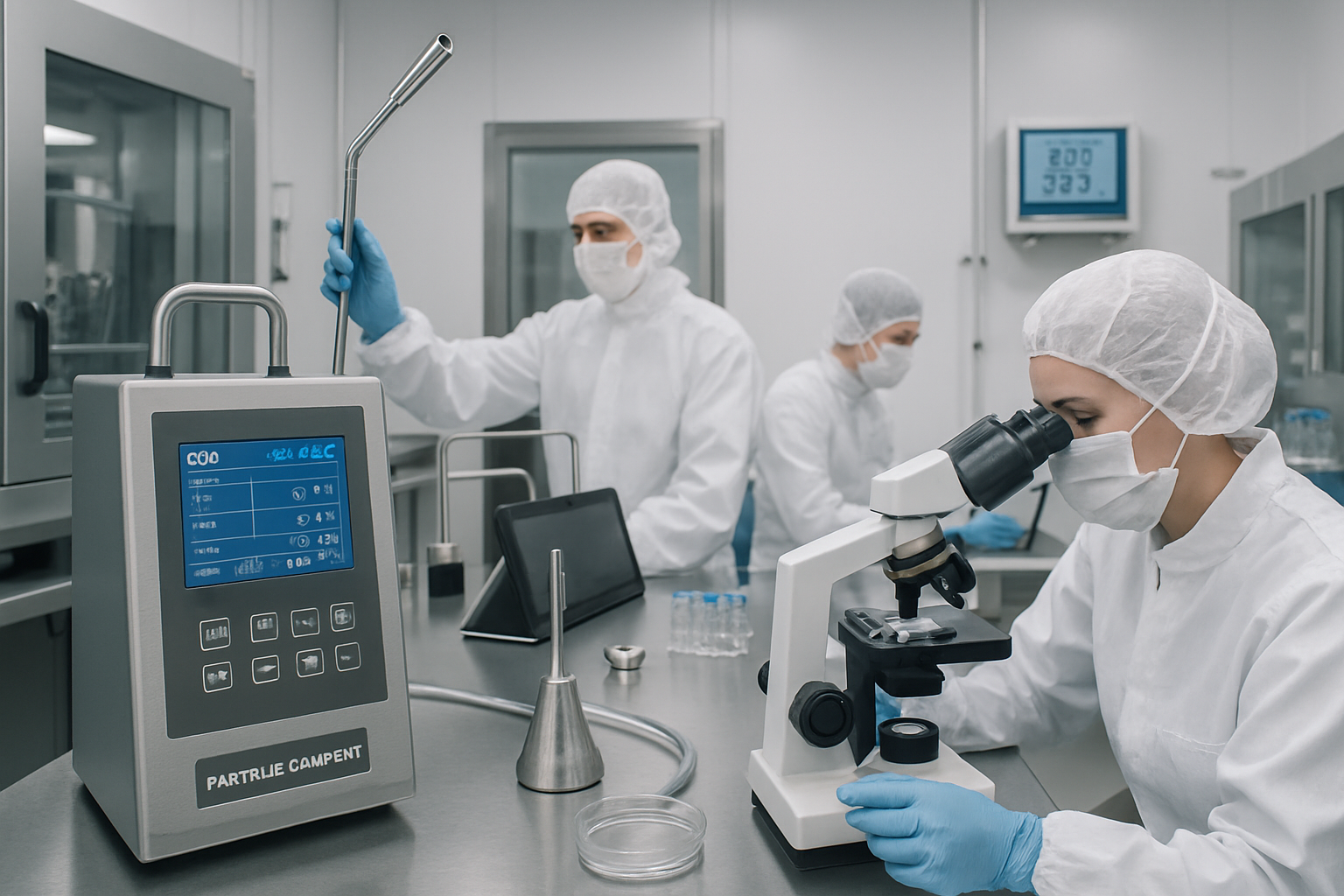
Particulate matter, including dust, fibres, and fragments from packaging or equipment, poses another contamination risk in sterile formulations. Regulatory authorities, such as the FDA and EMA, mandate that injectable products remain free from such contaminants.
Contributing Factors
The following factors can lead to particulate matter contamination:
- Wear and tear of equipment, potentially resulting in metal or material shedding
- Poor filtration processes
- Inconsistent HVAC system performance
- Loose fibres from personnel garments
- Particles originating from packaging materials
- Inadequate inspection of filled products
Mitigation Strategies
To reduce the risk of particulate contamination, implement these practices:
- Schedule regular preventive maintenance on equipment to manage wear
- Employ appropriate filters (0.22 μm or smaller) to eliminate particulate matter from products
- Test filter integrity both before and after use
- Require personnel to wear non-shedding, particle-resistant clothing
- Maintain proper function of HEPA filters and air pressure differentials to control airborne particles
- Conduct 100% visual inspections of all filled vials to validate the process
3. Challenges in Facility and Cleanroom Management
The design and maintenance of facilities and cleanrooms are crucial for upholding sterile conditions. Failures in environmental controls such as air pressure differentials or airflow can jeopardise a sterile manufacturing environment.
Contributing Factors
Primary causes of facility and cleanroom failures include:
- Poorly designed HVAC systems or airflow patterns
- Lack of real-time monitoring capabilities
- Cross-contamination between different areas
- Inadequate cleaning and maintenance regimens
Mitigation Strategies
To enhance the integrity of cleanroom conditions, consider the following approaches:
- Confirm that unidirectional airflow is established in grade A areas, alongside appropriate air changes per hour (ACPH) in support regions
- Continuously monitor temperature, humidity, pressure differentials, and airborne particle levels
- Limit access to cleanroom areas and design interlocking door systems to separate zones
- Perform cleanroom qualification and airflow visualisation, such as smoke tests, to assess airflow patterns
- Establish unidirectional material flow to minimise contamination risks
4. Human Factors in Sterile Manufacturing
Despite advancements in automation, human errors remain a common cause of failures in sterile processes. A single mistake during gowning or handling can compromise sterility.
Contributing Factors
Root causes of human error often include:
- Insufficient training in sterile processing and maintenance
- Complacency towards standard operating procedures (SOPs)
- Unwanted manual interventions during critical tasks
- Poorly designed or unclear SOPs
- High workloads leading to fatigue
Mitigation Strategies
To address human error, implement the following:
- Develop thorough training programs that encompass both classroom learning and practical aseptic techniques
- Monitor and coach personnel on proper procedures, especially during critical operations like media fills
- Ensure that SOPs are concise and written in an accessible format
- Where possible, automate manual tasks to reduce human involvement
- Encourage supervisors to perform routine observations and engage in Gemba Walks to foster an open communication culture
Regulatory Compliance Considerations
Agencies such as the FDA, EMA, and WHO have established guidelines that govern sterile manufacturing practices. Key documents include:
- FDA Guidance for Industry – Sterile Drug Products Produced by Aseptic Processing: Current Good Manufacturing Practice
- Annex 1 of the EU GMP Guidelines – Manufacture of Sterile Medicinal Products (revised 2022)
These guidelines emphasise the necessity of qualified personnel, contamination control strategies, suitable facility design, process qualification through simulation tests, and risk-based sterility assurance. Non-compliance can lead to regulatory repercussions, including Form 483 observations and warning letters. Maintaining sterility in pharmaceutical injectables is not merely a regulatory obligation; it is a commitment to patient safety.
Comments (0)
Loading comments…
Checking sign-in status…