

Enzyme leakage, acidosis, alkalosis, and electrolyte imbalances significantly affect cellular health and physiological function. Understanding these conditions is essential for effective management and treatment in clinical settings.
In the realm of cellular health, understanding the dynamics of enzyme leakage, acidosis, alkalosis, and electrolyte imbalances is crucial. These phenomena can significantly impact cellular function and overall physiological health.
Mechanisms of Enzyme Leakage

Enzymes typically exist in low concentrations within the bloodstream. However, when cellular damage occurs, particularly in cardiac tissue, these enzymes can leak into the bloodstream in increased amounts. This process is referred to as enzyme leakage and serves as a biomarker for cellular injury.
Understanding Alkalosis and Its Effects on Cell Viability
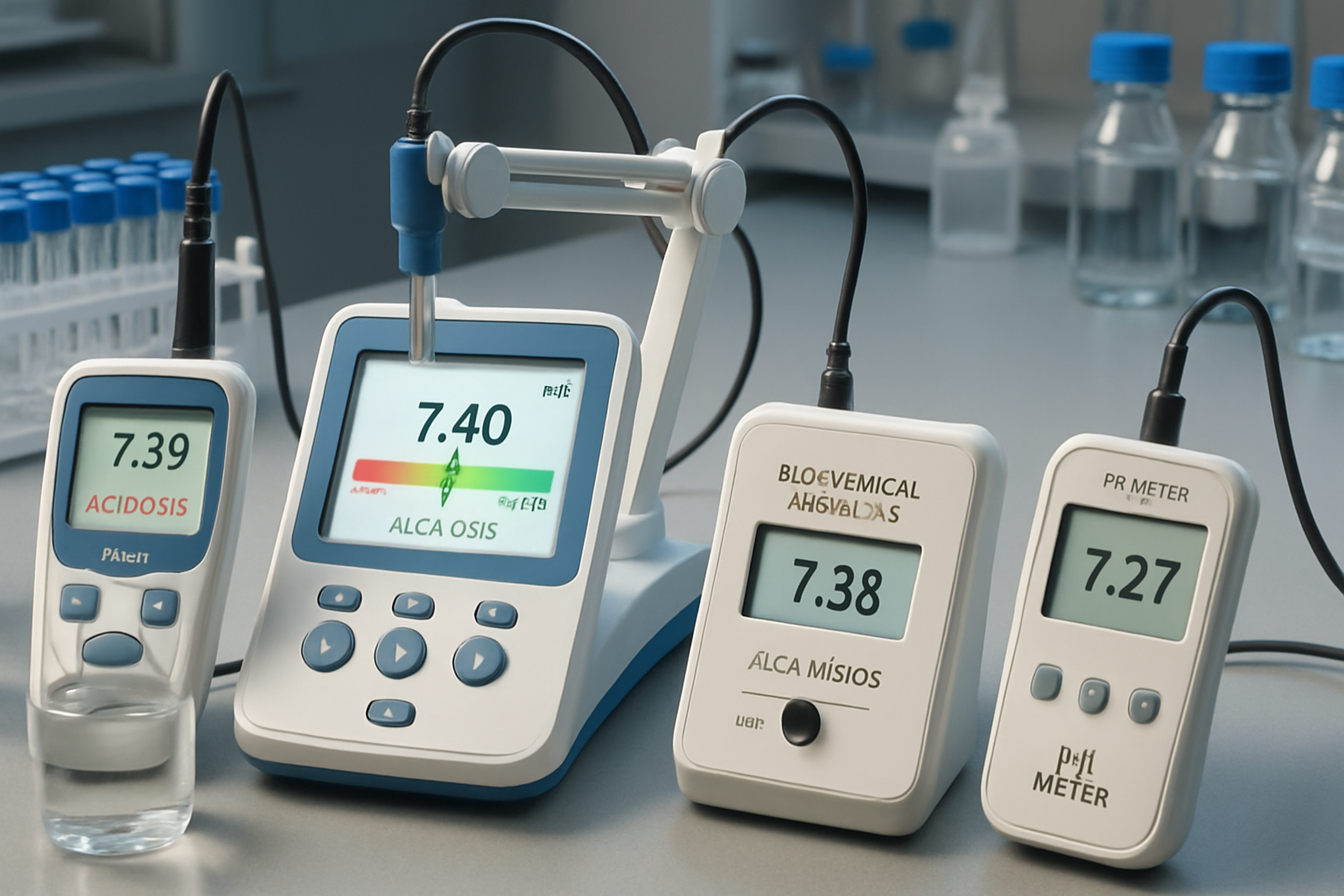
Alkalosis occurs when the body's pH becomes excessively alkaline, indicating a disruption in the acid-base balance. This condition can arise from various factors, including an excess of bicarbonate ions or insufficient hydrogen ions. While metabolic alkalosis, the most prevalent form, often presents without symptoms, it can lead to significant physiological disturbances.
Types of Alkalosis
Metabolic alkalosis can be classified into two categories:
- Chloride-responsive alkalosis: This often results from conditions like vomiting or dehydration, leading to a loss of hydrogen ions.
- Chloride-resistant alkalosis: This form occurs when there is an excessive retention of bicarbonate ions at the cellular level or a transfer of hydrogen ions from the blood.
Cell Death and Acidosis
Acidosis, the opposite of alkalosis, describes a state where body fluids contain excessive acid, leading to a decrease in pH. This condition can stem from dysfunction in the kidneys or lungs, which are critical in maintaining acid-base balance.
Types of Acidosis
Acidosis can be classified into two primary types:
- Respiratory acidosis: This occurs due to the accumulation of carbon dioxide (CO2) in the body, often resulting from inadequate ventilation. Factors contributing to respiratory acidosis include sedative misuse, structural deformities of the chest, obesity, and respiratory diseases like asthma.
- Metabolic acidosis: This condition arises from metabolic processes, particularly in the kidneys. It can manifest in several forms, such as:
- Diabetic acidosis: Associated with poorly controlled diabetes, leading to ketone production and increased blood acidity.
- Hyperchloremic acidosis: Results from excessive loss of bicarbonate due to vomiting or diarrhea.
- Lactic acidosis: Characterised by elevated lactic acid levels, it can occur due to various factors including chronic alcohol use and prolonged exercise.
- Renal tubular acidosis: A condition where the kidneys fail to excrete acids effectively, resulting in acidic blood.
Electrolyte Imbalances and Their Consequences
Electrolytes, crucial for numerous bodily functions, must remain balanced for optimal health. These ions, which include sodium, potassium, calcium, and magnesium, can become imbalanced due to various factors.
Causes of Electrolyte Imbalance
Several conditions can lead to electrolyte imbalances:
- Fluid loss due to vomiting, diarrhea, or excessive sweating.
- Kidney dysfunction, which impairs electrolyte regulation.
- Poor dietary intake or malabsorption issues.
- Hormonal or endocrine disorders.
- Chemotherapy-related complications such as tumor lysis syndrome.
- Certain medications, including diuretics and corticosteroids.
Symptoms of Electrolyte Imbalance
Symptoms can vary based on which electrolytes are affected. Common manifestations include:
- Muscle spasms, weakness, or twitching.
- Irregular heartbeat and changes in blood pressure.
- Confusion or neurological disturbances.
- Fatigue and numbness.
Recognising these symptoms is essential for timely intervention, as imbalances can lead to severe health complications.
Conclusion
Understanding enzyme leakage, acidosis, alkalosis, and electrolyte imbalances is vital for maintaining cellular health and function. Effective management and treatment of these conditions are crucial in clinical settings to ensure patient safety and optimal outcomes.
[[TABLE_1]]
Comments (0)
Loading comments…
Checking sign-in status…