
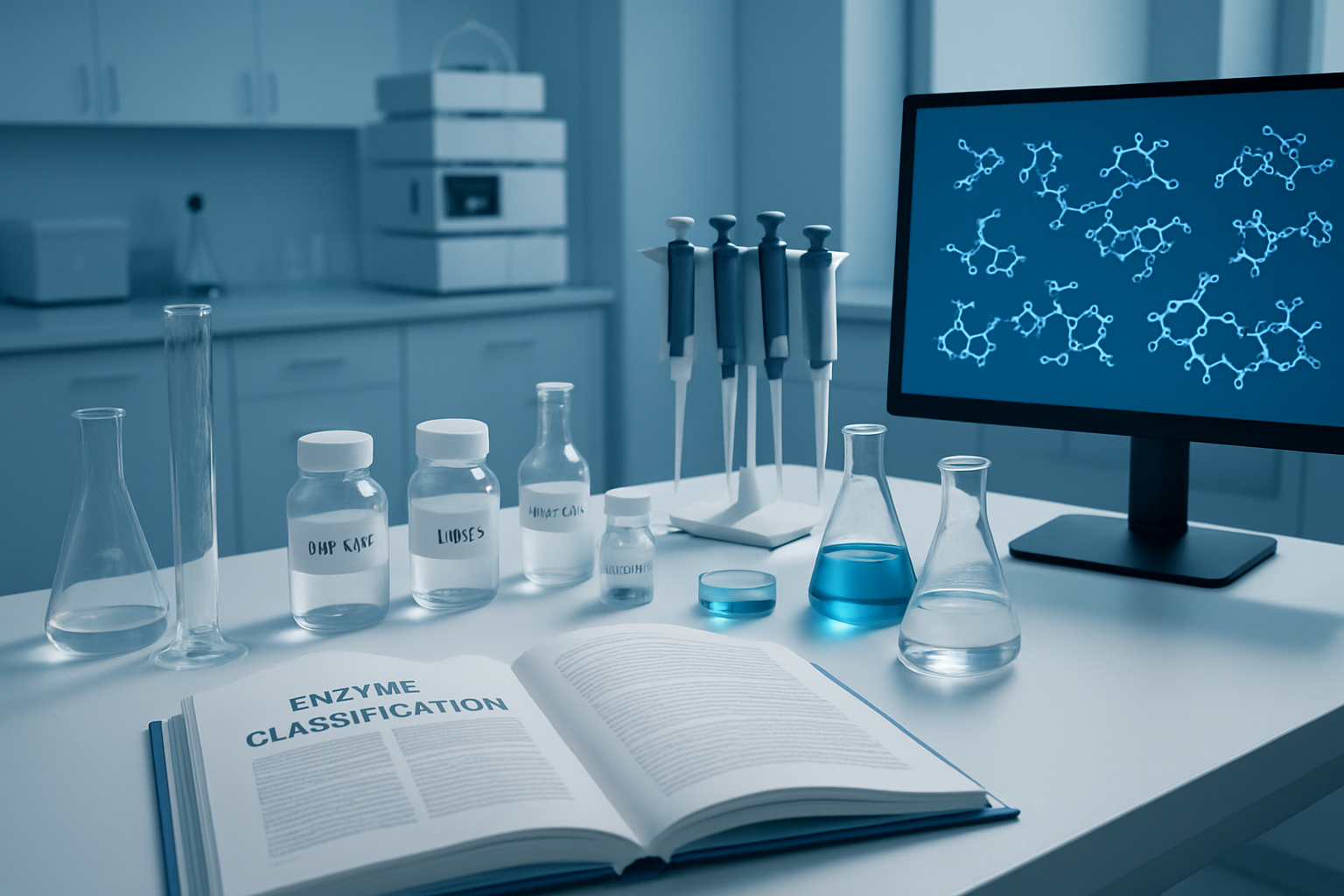
Enzymes are biological catalysts essential for chemical reactions in living organisms, primarily composed of proteins. Their classification and naming follow systematic conventions, with the IUBMB categorizing them into six major types based on their functions and substrates.
Enzymes are vital biological catalysts that facilitate chemical reactions in living organisms. Understanding their properties, classification, and naming conventions is essential for anyone working in the fields of biochemistry and molecular biology.
Properties and Significance of Enzymes
The International Union of Biochemistry and Molecular Biology (IUBMB) plays a crucial role in the advancement of biochemistry. Founded after World War II to foster collaboration among biochemists, the IUBMB has grown to encompass 79 member nations. Its mission includes promoting research and education in biochemistry, particularly in developing regions.
Enzymes, primarily composed of proteins, are not consumed or permanently altered during the reactions they catalyse. They exhibit remarkable efficiency and specificity, catalysing reactions with high precision. While most enzymes are proteins, ribozymes—RNA molecules—also possess catalytic properties.
Enzyme Classification and Nomenclature
The classification of enzymes is based on several factors, including the type of substrate they act upon and the reactions they facilitate. The naming of enzymes typically follows a systematic approach, often incorporating the suffix '-ase' to indicate their function. The nomenclature can reflect various aspects:
Systematic Naming of Enzymes
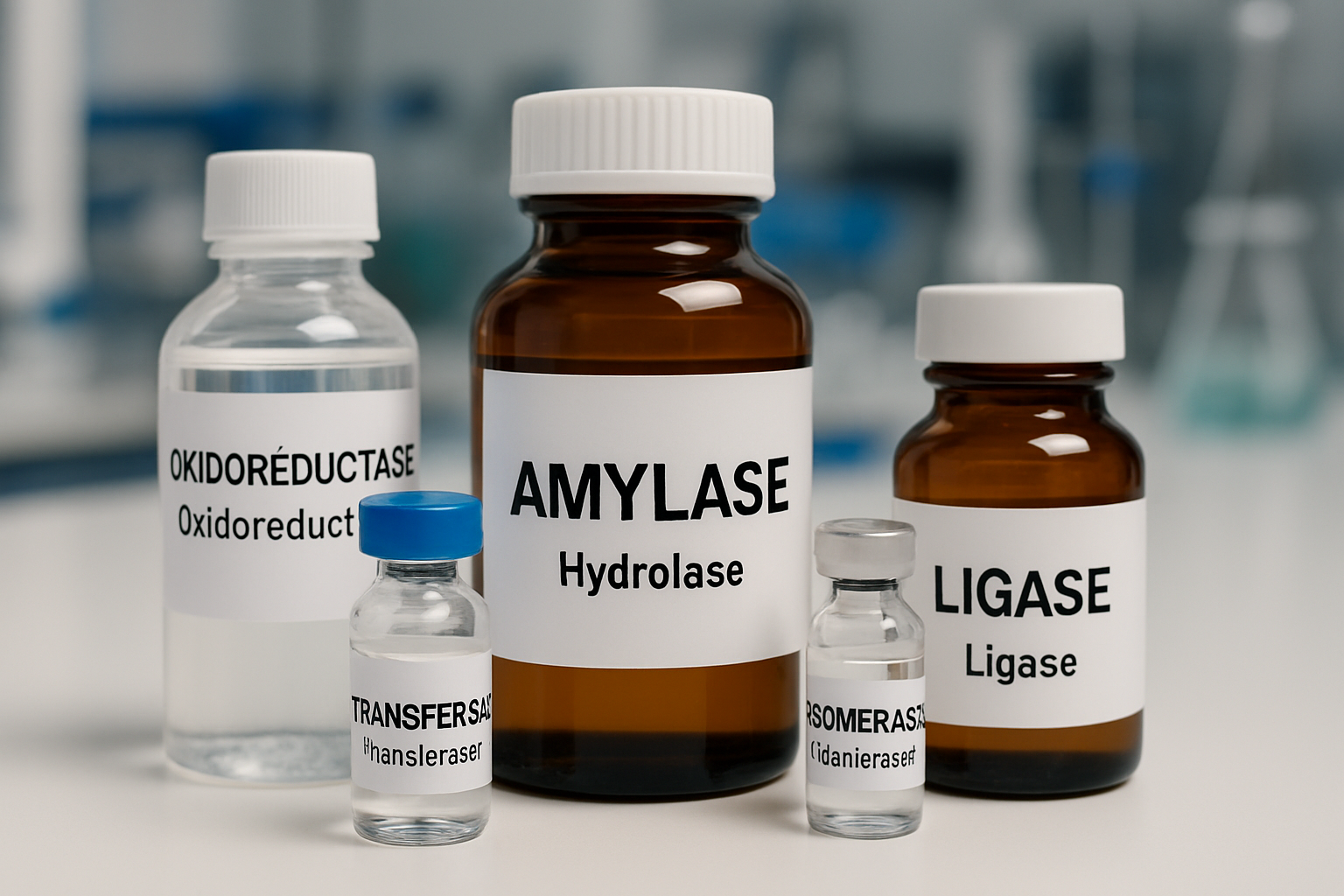
Each enzyme is assigned a unique name that correlates with its function and substrate. The IUBMB classifies enzymes into six major categories:
- Oxidoreductases: These enzymes mediate the transfer of electrons or hydrogen atoms between substrates. Examples include lactate dehydrogenase and alcohol dehydrogenase.
- Transferases: They catalyse the transfer of functional groups between molecules, requiring coenzymes for their activity. Methyltransferase and aminotransferase are notable examples.
- Hydrolases: These enzymes use water to cleave bonds, as seen in peptidases and phosphatases.
- Lyases: Lyases catalyse reactions that break or form chemical bonds without the use of water. Examples include fumarase and argininsuccinase.
- Isomerases: Isomerases rearrange molecular structures without altering the molecular formula. Aldose-ketose isomerase is a classic example.
- Ligases: These enzymes facilitate the joining of two molecules, often coupled with the hydrolysis of nucleoside triphosphates. DNA ligase is a prominent example.
Understanding EC Numbers
Enzymes are also catalogued with EC numbers, which classify them according to their reaction type and substrate. For instance, hexokinase is designated as E.C.2.7.1.1, indicating it is a transferase (class 2) responsible for phosphorylating hexoses. This systematic approach to enzyme classification aids researchers in identifying and studying enzymes based on their functions.
[[TABLE_1]]
Comments (0)
Loading comments…
Checking sign-in status…