

The review of validation data is essential in pharmaceutical quality assurance, ensuring studies align with protocols and generate valid results. QA must assess deviations, trace results to primary data, and confirm data integrity while addressing any issues or unexpected findings.
The review of validation data is a crucial step in the pharmaceutical quality assurance process. It ensures that validation or qualification studies are conducted according to established protocols, generating valid data that meets predetermined acceptance criteria. The ultimate goal is to confirm that the findings are supported by solid scientific evidence. This review applies to various aspects of pharmaceutical operations, including process validation, cleaning validation, equipment qualification, and the validation of computerized systems. Regardless of the specific focus, the central question remains: does the documented evidence demonstrate that the process or system meets its defined specifications?
Starting with the Approved Protocol and Study Objectives
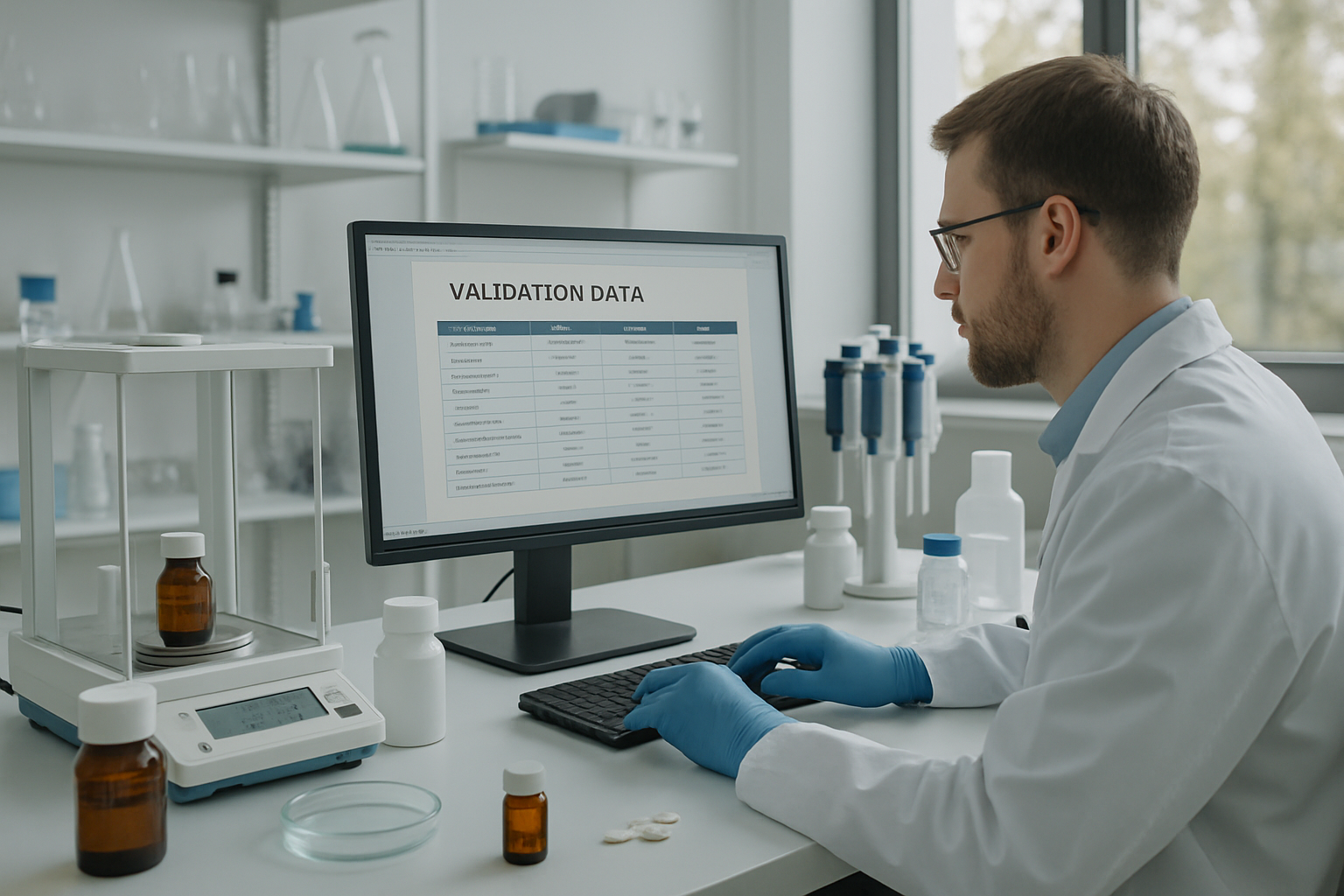
Before diving into the specific findings, it's essential for QA to grasp the intended outcomes of the study, as outlined in the approved protocol. This document details all necessary parameters, tasks, testing conditions, and required documentation. QA must confirm that the study aligns with the approved protocol, including its revision number, equipment title, product details, and planned activities. Special attention should be given if the actual execution deviates from the planned protocol. For example, if the chosen sampling site is inaccessible, if the experiment takes place outside the designated time frame, or if conditions change during measurement, these deviations must be reported, evaluated, and addressed according to the relevant deviation management plan. QA should not simply accept results as valid based on compliance with acceptable limits; rather, it is critical to assess how any deviation impacts the validity of the final results.
Tracing Reported Results Back to Primary Data

The validation report often summarises selected outcomes, analyses, and conclusions. It is the responsibility of the QA team to ensure that these summaries accurately reflect the underlying primary records. This process involves establishing traceability among the report, protocol, laboratory logs, machine records, electronic files, and sampling logs. Each result must be linked to identifiable sources, such as sample numbers, batch numbers, testing dates, and analyst identifiers. For instance, in a process validation report covering blend uniformity results from various sampling locations, QA must verify that reported values correlate with the appropriate samples, that all designated locations were tested, and that the analytical outcomes substantiate the summary presented. Be vigilant for missing pages, duplicated results, discrepancies in identifiers, unaddressed corrections, and inconsistencies between databases and final reports. If results are transcribed into electronic formats, both the transcription and subsequent calculations should be meticulously checked for accuracy.
Assessing Calculations, Acceptance Standards, and Observed Patterns
Loading flowchart…
QA must confirm that the results are evaluated against the defined acceptance criteria specified in the protocol. This includes a thorough verification of calculations, checking formulas, units, rounding rules, and raw values—especially in cases where calculations directly affect compliance assessments. Individual results should be assessed alongside overall patterns; relying solely on averages can obscure significant isolated data that may require further investigation. Similarly, results that conform to acceptance limits but exhibit notable trends or variations warrant scientific scrutiny. The type of review conducted will vary according to the study type. For example, in process validation, critical process parameters and quality attributes must be reviewed, whereas in cleaning validation, sampling points, recovery considerations, and compliance with acceptance limits are paramount. QA should not substitute for the technical reviewer in every calculation, but must ensure that competent personnel adequately perform technical reviews and that conclusions drawn are well-supported.
Ensuring Data Integrity and Electronic Record Reliability
The integrity of data is paramount during the validation process. QA must verify that records are complete, consistent, reliable, and traceable. The principles of ALCOA+—which emphasise that data should be attributable, legible, contemporaneous, original, accurate, and relevant—should be applied rigorously. Printed summaries for electronic systems are insufficient on their own. Depending on the study and procedures, QA may need to review native electronic records, metadata, audit trails, and histories of processing or access. For instance, if chromatographic data undergoes re-analysis, QA should ascertain what changes were made, who enacted them, whether justification exists, and the impact on results. Red flags such as missing files, unsubstantiated repeat experiments, altered calculations, or inconsistencies between digital and physical records require careful examination in line with data integrity protocols.
Examining Deviations, Test Failures, and Unexpected Findings
Validation studies should not be assessed solely based on successful outcomes. QA must consider deviations from study objectives, failures to yield expected results, odd observations, and procedural modifications. Documentation must include comprehensive reports on any issues encountered, detailing the impact on activities or data, the influence of these issues, and the investigations conducted. It is essential that CAPA (Corrective and Preventive Actions) are relevant and clearly define responsibilities regarding the situation. The rationale for retesting should be scrutinised; a subsequent successful result does not render a previous failure irrelevant. Justifications for retesting, the status of earlier results, and conclusions must be scientifically and regulatory sound. If significant concerns remain unresolved, QA should assess whether the documentation conclusively addresses investigation objectives. If evidence is lacking, further investigations or verifications may be necessary.
Validating Conclusions with Robust Evidence
The final review must comprehensively address the study's objectives, results, deviations, and acceptance standards. QA should critically evaluate whether the report substantiates its claims, as opposed to making assertions unsupported by evidence. For instance, a report may indicate successful equipment qualification but fail to demonstrate that the manufacturing process consistently produces compliant products. Prior to approval, QA must confirm that:
- All expected tests and records are adequately documented.
- Any deviations and unique data are presented transparently.
- Conclusions are substantiated and acknowledge any limitations.
- Outstanding issues are recorded and managed.
- The document is complete, appropriately versioned, and signed.
Inspectors may select data from the final report to trace back to the original source, analyse unusual trends, or inquire about how failed tests influenced the conclusions. Responses must be anchored in documented evidence rather than verbal affirmations.
Maintaining Consistency and Defensibility in Reviews
Implementing a structured checklist for reviews can help QA maintain consistency in applying standards across different validation processes. The checklist should be tailored to the specific study rather than replacing professional judgement. The depth of the review should correlate with the complexity of the process, associated risks, and potential impacts on product quality. Standard operating procedures for validation should clearly outline who is responsible for conducting reviews, how comments are addressed, who escalates discrepancies, and who has the authority to sign documents. Technical experts must evaluate the relevant evidence, while QA bears the responsibility for ensuring that documentation and final decisions are appropriate. Effective validation demonstrates that the data and evidence are complete, trustworthy, scientifically evaluated, and in alignment with the approved protocol. QA must investigate any missing or unexplained discrepancies, unresolved issues, and conclusions that exceed the evidence available. Approval should only be granted when the report clearly and accountably reflects what has been accomplished throughout the validation process.
Comments (0)
Loading comments…
Checking sign-in status…