
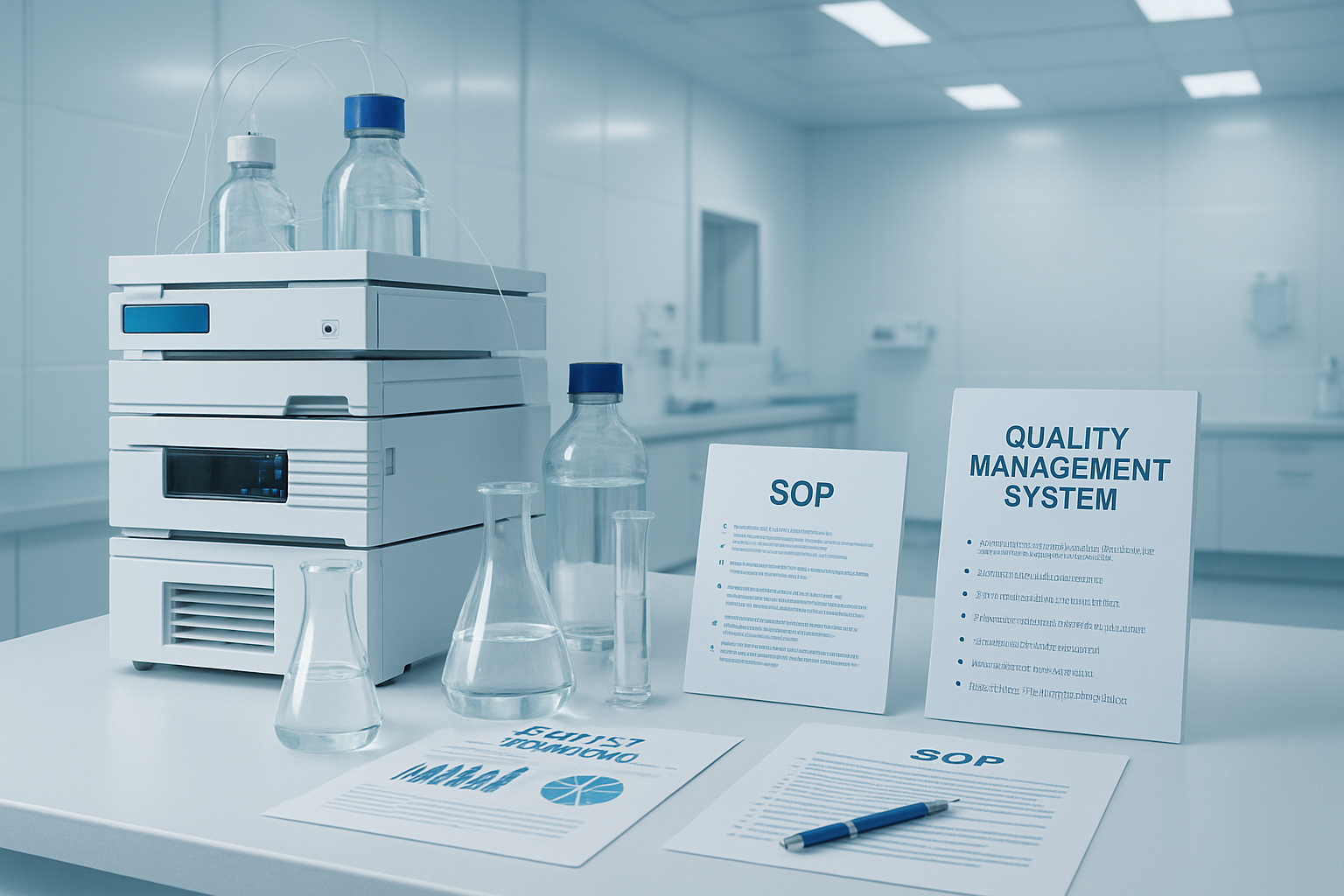
Identifying factors that lead to substandard pharmaceutical quality can help mitigate risks and improve compliance. Key issues include deficiencies in quality management systems, documentation errors, and inadequate training, all of which can compromise product integrity.
Maintaining product quality in pharmaceutical manufacturing is critical to safeguarding patient safety and upholding a company's reputation. Understanding the frequent causes of low-quality products can help quality teams mitigate risks, establish effective control measures, and comply with Good Manufacturing Practices (GMP). Below are several significant factors that can lead to subpar pharmaceutical quality and the actions that can be taken to address them.
1. Deficiencies in Quality Management Systems

Loading flowchart…
A robust Quality Management System (QMS) forms the backbone of pharmaceutical operations. Yet, many companies still operate without comprehensive standard operating procedures (SOPs), resulting in disorganized quality assurance protocols. Common shortcomings include:
- Outdated SOPs causing inconsistencies in operations.
- A weak change control process that fails to assess risks during equipment or process modifications.
- A lack of a quality-centric culture where compliance is not seen as a shared responsibility.
Overview: corrective Action
Regularly review and refresh SOPs to accurately represent current operational practices. Clearly define quality responsibilities for all personnel involved in manufacturing, and develop visible quality metrics in collaboration with the production team.
2. Issues with Documentation and Data Integrity
Regulatory inspections frequently highlight documentation deficiencies that can undermine product quality. Key problems include:
- Absence of raw data, which inspectors prefer over mere summaries.
- Errors in handwritten records and modifications made without justification.
- Electronic records that lack secure audit trails, raising concerns about data authenticity.
Overview: corrective Action
Train staff in effective documentation practices and implement technology to safeguard document integrity through secure audit trails. Conduct regular documentation reviews and audits, applying necessary corrective actions where issues are identified.
3. Non-Conformances in Production Procedures
Deviation from approved manufacturing processes poses a direct threat to product quality. Factors contributing to such deviations include:
- Uncontrolled process parameters, such as temperature and pH, that compromise potency or purity.
- Lack of validation for worst-case scenarios in manufacturing processes.
- Human error caused by inadequate training or supervision.
Overview: corrective Action
Thoroughly validate processes prior to routine use, and implement real-time monitoring of production where feasible. Ensure structured training programs are in place, complemented by competency evaluations for operators.
4. Quality Concerns with Raw Materials

The finished product's quality is intrinsically linked to the quality of its raw materials. Common issues include:
- Poor supplier qualification practices that expose manufacturers to risks upon receipt of materials.
- Overreliance on supplier certificates of analysis, which may not accurately reflect material quality.
- Improper storage conditions that can lead to degradation or contamination.
Overview: corrective Action
Develop a strong supplier qualification process, perform immediate testing upon receipt of raw materials, and ensure controlled storage conditions that adhere to manufacturers' recommendations.
Overview: 5. Environmental Control and Contamination Risks
Effective environmental and contamination controls are essential, particularly in the production of sterile products. Critical concerns include:
- Poor cleanroom practices that increase contamination risks.
- Inconsistent environmental monitoring and trend analysis that fail to detect contamination.
- Deficiencies in equipment hygiene that elevate the risk of cross-contamination.
Overview: corrective Action
Implement a risk-based environmental monitoring strategy that includes trend analysis and predefined action limits. Train personnel on proper cleanroom protocols and maintenance of equipment hygiene.
6. Inadequate Quality Control Testing
Thorough and scientifically valid Quality Control Testing is crucial to maintaining product quality. Common shortcomings include:
- Testing methods that are not validated for specific products, leading to unreliable results.
- Poorly designed sampling plans that yield unrepresentative samples.
- Delays in quality testing and review processes that hinder timely interventions.
Overview: corrective Action
All testing methodologies must be validated and documented. Design sampling plans based on product risk and complexity, and develop workflow controls to accelerate testing timelines.
Overview: 7. Training Deficiencies and Human Errors
Human influence is significant in pharmaceutical procedures. Key issues related to training include:
- Inadequate structured training that impairs understanding of procedures.
- Lack of competency evaluation post-training, resulting in unassessed knowledge application.
- Overreliance on memory rather than documented procedures, leading to variability in task performance.
Overview: corrective Action
Implement competency-based training linked to specific roles, along with assessments and on-the-job coaching to reinforce proper practices.
8. Ineffective Risk Management Practices
Companies often struggle with risk management, leading to recurring quality issues. Problems include:
- Inadequate root cause analysis that fails to address underlying systemic issues.
- Neglecting to prioritise risks, resulting in misallocated resources.
- Failure to assess the effectiveness of risk mitigation strategies post-implementation.
Overview: corrective Action
Utilise structured assessment tools, such as FMEA or HACCP, to prioritise risks based on severity and likelihood. Regularly review the effectiveness of corrective measures implemented.
Overview: 9. Challenges in Supply Chain and Outsourcing
External suppliers play a crucial role in pharmaceutical production. Common challenges include:
- Insufficient supplier audits that may overlook critical quality issues.
- Poorly defined contracts that fail to establish clear quality expectations.
- Lack of communication that delays issue detection.
Overview: corrective Action
Regularly audit suppliers and their contract facilities. Establish clear contracts with specific quality metrics and reporting requirements, ensuring open lines of communication.
Overview: 10. Leadership and Culture Issues
Quality is fundamentally influenced by a company’s leadership and culture. Indicators of a weak culture include:
- Prioritising production speed over quality.
- Employees reluctant to report mistakes out of fear of blame.
- A lack of commitment to continuous improvement initiatives.
Overview: corrective Action
Leadership must visibly promote quality as a fundamental value, establish clear quality expectations, and foster a culture of open communication and continuous improvement.
The root causes of low-quality pharmaceutical products typically arise from a confluence of issues rather than isolated incidents. By identifying common pitfalls such as inadequate quality systems, documentation flaws, training gaps, and ineffective risk management, organizations can enhance their quality framework. The goal extends beyond mere regulatory compliance; it is about establishing a methodology for identifying and addressing errors before they impact patient safety. A routine for evaluating the effectiveness of quality systems, robust training programs, and a quality-centric organizational culture are essential for achieving and maintaining high standards in pharmaceuticals.
Frequently Asked Questions about Low-Quality Pharmaceutical Products
Q1. What are the reasons for pharmaceuticals failing to meet quality standards?
Weak quality systems, inadequate documentation, and poorly managed manufacturing processes often contribute to pharmaceutical products failing to meet quality benchmarks.
Overview: q2. How does documentation influence product quality?
Accurate documentation facilitates traceability; however, errors or incomplete records can hinder the identification of deviations that affect final product quality.
Q3. What is the impact of raw materials on the quality of the final product?
The use of substandard or contaminated raw materials can significantly compromise the safety and efficacy of the finished pharmaceutical product.
Q4. In what ways does organizational culture affect product quality?
A strong commitment to quality throughout an organization fosters accountability and proactive identification of quality issues, while a lack of focus can lead to systemic failures.
Comments (0)
Loading comments…
Checking sign-in status…