

Audits in sterilization validation processes often reveal oversights related to validation loads, biological indicators, and process data evaluation. Key issues include inadequate justification for worst-case scenarios, poor documentation practices, and insufficient impact assessments of deviations.
In the pharmaceutical industry, ensuring the sterility of products through validated sterilization processes is critical. During audits, compliance reviewers assess not only adherence to validation protocols but also the rationale behind key decisions, the configuration of validation loads, and the effectiveness of biological indicators. Understanding these common pitfalls can help maintain rigorous quality standards.
Validation Loads Must Reflect Actual Production Conditions

One frequent audit issue arises when validation loads do not accurately represent typical production loads. A sterilization cycle may perform adequately at a lower load density, but this does not guarantee efficacy under the most challenging conditions. Factors such as product density, container types, packing configurations, heat penetration, air removal, and load orientations significantly influence sterilization effectiveness. Validation documentation must clearly outline the load configurations tested and provide scientific justification for selecting the maximum, minimum, and most challenging loads.
Temperature Sensor and Biological Indicator Placement Issues
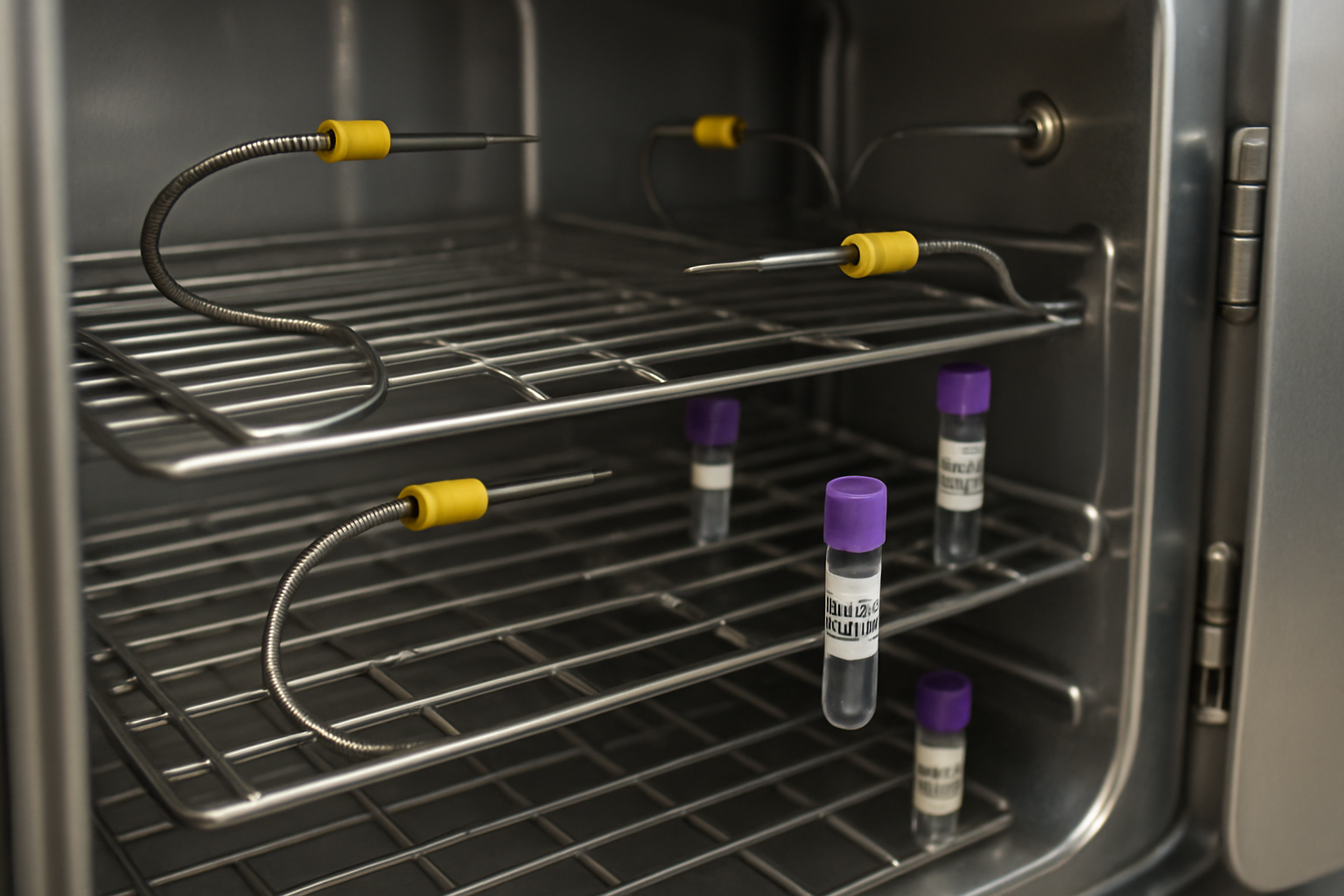
The placement of temperature sensors and biological indicators is not merely a matter of even distribution within the sterilization chamber. For moist heat sterilization, it is crucial to consider thermodynamic properties to ensure that difficult-to-sterilize areas are adequately challenged. FDA guidelines mandate that the locations of these sensors and indicators be documented in validation records. During an audit, it is essential to verify that the recorded locations align with those used in the validation process.
Insufficient Justification for Worst-Case Scenarios
Another common finding is the lack of robust justification for the worst-case load selected for validation studies. Companies often struggle to explain why their chosen load truly tests the limits of the sterilization process. A comprehensive justification should detail the characteristics of the load, including product features, load configuration, heat resistance, and sterilization techniques employed. Simply producing a load frequently does not inherently qualify it as a worst-case scenario.
Poorly Defined Controls for Biological Indicators
Biological indicators are pivotal in validating sterilization processes, yet many audits reveal deficiencies in how they are managed. Potential issues include inadequate documentation of the expiration dates and lot numbers of the indicators, their population and resistance characteristics, installation locations, and controls for both positive and negative indicators. Additionally, clear protocols for incubation conditions and handling of failed indicators are essential. The analysis of biological indicator results must be integrated with physical cycle parameters and the overall validation plan.
Inadequate Evaluation of Physical Process Data
Auditors often encounter a simplistic treatment of critical process parameters such as temperature, pressure, time, and humidity as mere pass/fail metrics. Understanding the relationship between these parameters and microbial lethality is vital. The FDA emphasizes that evidence must demonstrate that sterilization parameters have been effectively executed to achieve the desired sterility assurance level. A thorough review of sterilization data should reflect an understanding of the cycle profile rather than mere compliance with endpoint measurements.
Neglecting Bioburden in Validation Strategies
Incorporating bioburden assessment into sterilization validation is essential. The validation strategy should address microbial characteristics of the materials being sterilized. The FDA acknowledges that bioburden determination provides necessary evidence for validating sterilization processes. Auditors will evaluate whether historical bioburden data, ongoing monitoring, and organism attributes adequately support the assumptions made during validation.
Closing Deviations Without Impact Assessment
Instances of deviations, such as temperature fluctuations or biological indicator failures, must be thoroughly investigated to determine their impact on validation outcomes. Simply closing a deviation without assessing its effect on product quality is insufficient. Auditors will look for a clear connection between deviation investigations and conclusions about validation integrity, as vague statements about non-impact may not hold up during scrutiny.
Weaknesses in Requalification and Change Control Practices
Original validation reports cannot safeguard sterilization indefinitely. Changes in equipment, software, utilities, loading processes, or packaging require documentation of impact assessments. The FDA's inspection guidance suggests that auditors check for adjustments in equipment, calibration, and maintenance when sterilization processes exceed tolerances. A robust system should link change control with validation status and clearly define the requalification or revalidation process.
Essential QA Review Prior to Audits
Loading flowchart…
Before any regulatory or customer audit, quality assurance (QA) should conduct a focused review of sterilization validation documentation. Key areas of review include:
- Approved protocols and records
- Configuration blueprints
- Temperature and pressure mapping
- Biological indicator documentation
- Cycle records and electronic data
- Microbial contamination data
- Equipment qualification and calibration
- Deviations and corrective actions
- Change control records
- Previous validation and re-validation records
- Directive and acceptance standards
QA's objective should be to verify that the entire evidence package narrates a cohesive scientific story. Audit challenges often stem not from missing validation reports but from inadequate proof accompanying those reports. An effective audit preparedness review must connect the rationale for load selection, sensor and indicator placements, physical cycle data, bioburden strategies, deviations, equipment status, and any changes made post-validation. When these elements are scientifically interlinked, the sterilization validation documentation presents a compelling case for the process's ability to ensure sterility in real-world manufacturing contexts.
Comments (0)
Loading comments…
Checking sign-in status…