

Sexually transmitted infections (STIs) like HIV, syphilis, and gonorrhea are spread through sexual contact and bodily fluids. Many infections can be asymptomatic, making awareness and regular screenings crucial for prevention and treatment.
Sexually transmitted infections (STIs), which encompass a range of diseases including HIV, syphilis, and gonorrhea, are primarily spread through sexual contact. These infections can be transmitted through bodily fluids such as blood, semen, and vaginal secretions. It's crucial to understand that STIs often present without symptoms, meaning individuals may unknowingly spread these infections.
Overview of STIs
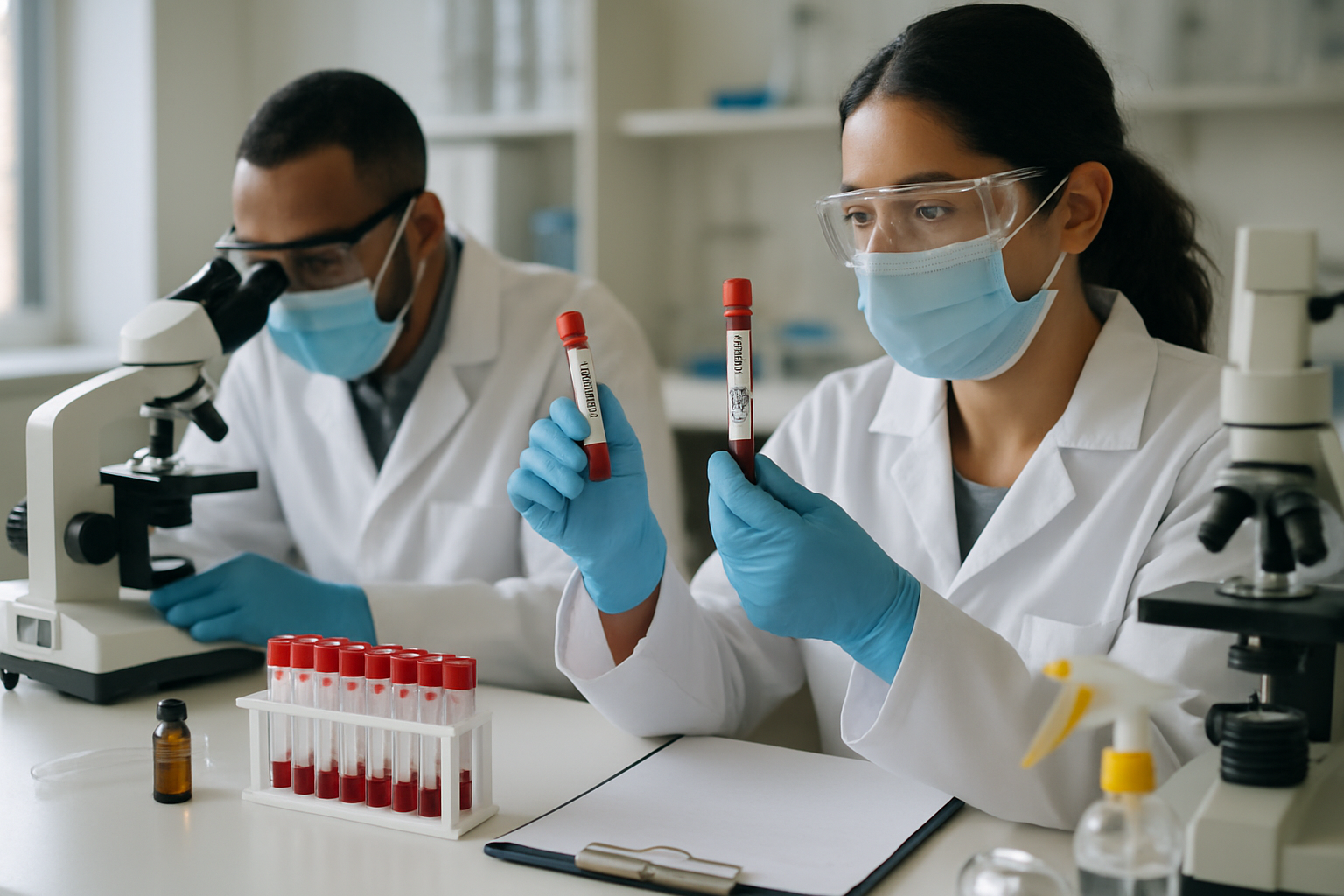
STIs can manifest in various ways, from no symptoms at all to severe health complications. Key indicators often include:
- Fever
- Skin rashes
- Swollen lymph nodes
- Unusual bleeding
- Pain during intercourse
- Burning sensation during urination
- Discharge from the genital area
Symptoms may take time to appear, sometimes even years, depending on the pathogen involved.
HIV Infection
The human immunodeficiency virus (HIV) is an RNA virus that gradually weakens the immune system, leading to acquired immunodeficiency syndrome (AIDS). Transmission can occur through sexual activities, sharing needles, or from mother to child during childbirth or breastfeeding.
HIV Symptoms
Individuals infected with HIV may experience various symptoms throughout different stages of the disease:
Acute HIV Infection
Two to four weeks post-exposure, flu-like symptoms may arise, including:
- Rash
- Fatigue
- Persistent cough
- Night sweats
- Muscle aches
- Headaches
- Unexplained weight loss
Chronic HIV Infection
During this phase, the individual may remain asymptomatic for years, although the virus persists in the body.
Symptomatic HIV Infection
As the immune system deteriorates, individuals may face chronic symptoms such as:
- Fatigue
- Weight loss
- Diarrhea
- Persistent fever
- Swollen lymph nodes
Progression to AIDS
Without treatment, HIV typically progresses to AIDS within 8 to 10 years. The immune system becomes severely compromised, increasing vulnerability to opportunistic infections.
Transmission Mechanisms
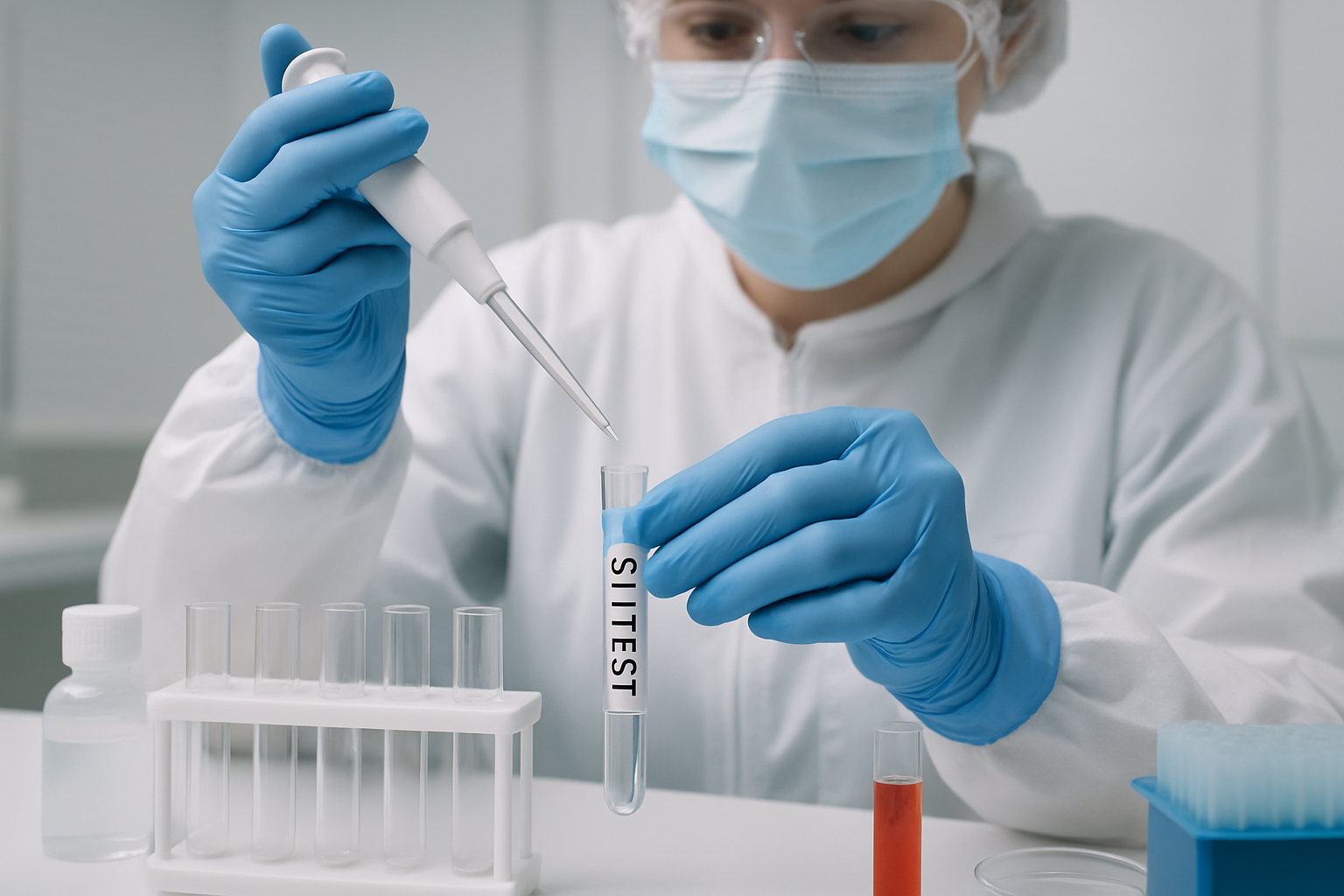
HIV spreads through:
- Sexual contact with infected bodily fluids
- Sharing contaminated needles
- Blood transfusions
- Mother-to-child transmission during pregnancy or breastfeeding
Understanding Syphilis
Syphilis is a bacterial infection that begins as a painless sore, known as a chancre, typically located on the genitals, rectum, or mouth. The bacteria responsible, Treponema pallidum, can remain dormant for years after initial infection.
Symptoms of Syphilis
Syphilis progresses through various stages, each marked by distinct symptoms:
Primary Syphilis
Characterised by a single or multiple painless sores that may go unnoticed.
Secondary Syphilis
A rash may develop, often covering the body including the palms and soles, alongside flu-like symptoms.
Latent Syphilis
This phase involves no symptoms but can last for years.
Tertiary Syphilis
Untreated syphilis can result in severe organ damage and neurological complications.
It is essential to treat syphilis early with penicillin to prevent long-term health issues.
Gonorrhea Infection
Gonorrhea, caused by the bacterium Neisseria gonorrhoeae, is another common STI affecting both men and women. It is primarily transmitted through sexual activities, impacting the urethra, rectum, and throat. Babies born to infected mothers can also contract gonorrhea during delivery.
Symptoms of Gonorrhea
Symptoms may vary, with many individuals remaining asymptomatic. When present, they may include:
For Men
Symptoms often involve:
- Pus-like discharge from the penis
- Painful urination
- Testicular swelling or pain
For Women
Women may experience:
- Pelvic pain
- Increased vaginal discharge
- Painful urination
- Heavy menstrual bleeding
Other Affected Areas
Gonorrhea can also affect the rectum, throat, and even joints, leading to complications if left untreated.
Causes of Gonorrhea
Transmission occurs through direct contact with infected bodily fluids during sexual intercourse, making preventive measures such as condom use critical in reducing the risk of infection.
Understanding the nature of these infections is vital for prevention, early detection, and treatment. Regular screenings and safe practices are essential in controlling the spread of STIs.
[[TABLE_1]]| Disease | Pathogen | Transmission |
|---|---|---|
| HIV | Human Immunodeficiency Virus | Sexual contact, sharing needles, mother-to-child |
| Syphilis | Treponema pallidum | Sexual contact with sores |
| Gonorrhea | Neisseria gonorrhoeae | Sexual contact |
Comments (0)
Loading comments…
Checking sign-in status…