
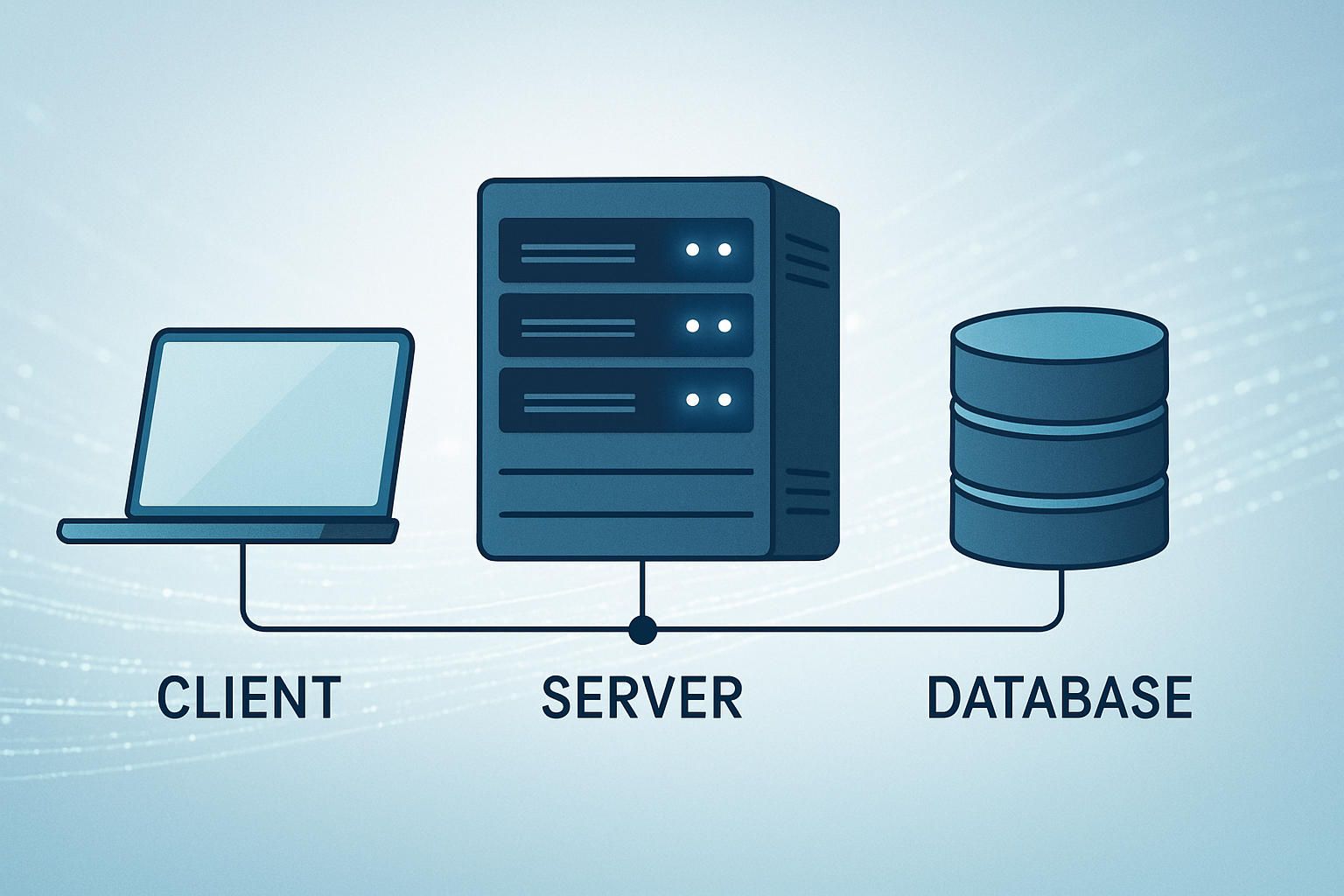
Web servers process network requests and serve files to clients, primarily using HTTP for communication. They consist of three tiers: client, middle, and information, and perform various functions, including handling requests, providing security, and managing data.
Web servers play a crucial role in facilitating the delivery of web content by processing network requests and serving files to clients. This communication primarily occurs through the Hypertext Transfer Protocol (HTTP), which governs how requests and responses are exchanged over the internet.
Types of Web Server Products
Various web server products exist, catering to different needs and functionalities. Some well-known examples include:
- IIS (Internet Information Services)
- Apache HTTP Server
- AOL Server
These products enable the hosting of websites, allowing them to deliver content such as text, images, and multimedia files to users. Each server product may offer unique features, but they all share the fundamental purpose of serving web content.
Architecture of Web Servers

The architecture of a web server typically consists of three tiers:
Client Tier
This layer represents the application's user interface, where users interact with the web server through browsers or other client applications.
Middle Tier
The middle tier acts as an intermediary, interacting with both the client and the information tier. It handles application logic and ensures that client requests are processed effectively.
Information Tier
This tier is responsible for data storage and management, often utilising relational database management systems (RDBMS) to maintain the necessary information for the application.
Core Functions of Web Servers

Web servers serve multiple purposes beyond merely delivering files. Key functionalities include:
- Handling HTTP requests and responses
- Providing security features
- Supporting server-side technologies (e.g., Server-Side Includes, JavaServer Pages)
- Facilitating file transfers via FTP and managing email through SMTP
Client-Server Interaction and HTTP Protocol
The client-server model is foundational to web communication. Here’s how it operates:
- The client generates a request, typically using a web browser.
- The web server receives and processes the request.
- The server formulates a response and sends it back to the client, which may include the requested web page content.
HTTP serves as the standard protocol for transferring documents on the World Wide Web, predominantly using Port 80 for communication. Both requests and responses consist of human-readable messages that facilitate interaction between clients and servers.
Understanding HTTP Response Status Codes
HTTP response status codes provide essential information about the outcome of a client's request. These codes fall into several categories:
| Code Range | Description |
|---|---|
| 1XX | Informational responses |
| 2XX | Successful responses |
| 3XX | Redirection messages |
| 4XX | Client error responses (e.g., 404 Not Found) |
| 5XX | Server error responses (e.g., 503 Service Unavailable) |
For instance, a 301 status code indicates that a requested resource has been permanently moved, while a 404 status code signifies that the requested resource cannot be found. Understanding these codes is vital for diagnosing issues and improving user experience.
The operation of web servers is integral to the functioning of the internet, making them a fundamental component in the landscape of digital communication.
Comments (0)
Loading comments…
Checking sign-in status…