

The pharmaceutical industry faces rising manufacturing costs due to factors like raw material prices and compliance requirements. Effective cost management focuses on improving operational efficiencies, minimizing waste, and optimizing processes without compromising product quality or safety.
The pharmaceutical industry faces unique challenges, particularly concerning manufacturing costs. With a highly regulated environment and competitive market pressures, any reduction in manufacturing expenses can significantly impact profitability and sustainability. Factors such as rising raw material prices, compliance mandates, and the costs associated with labor and equipment maintenance contribute to the increasing financial burden on manufacturers. However, reducing costs does not equate to compromising product quality, patient safety, or adherence to Good Manufacturing Practices (GMP). Effective cost management should focus on enhancing operational efficiencies, optimising processes, minimising waste, and utilising available resources to their fullest potential.
Factors Contributing to Rising Manufacturing Costs
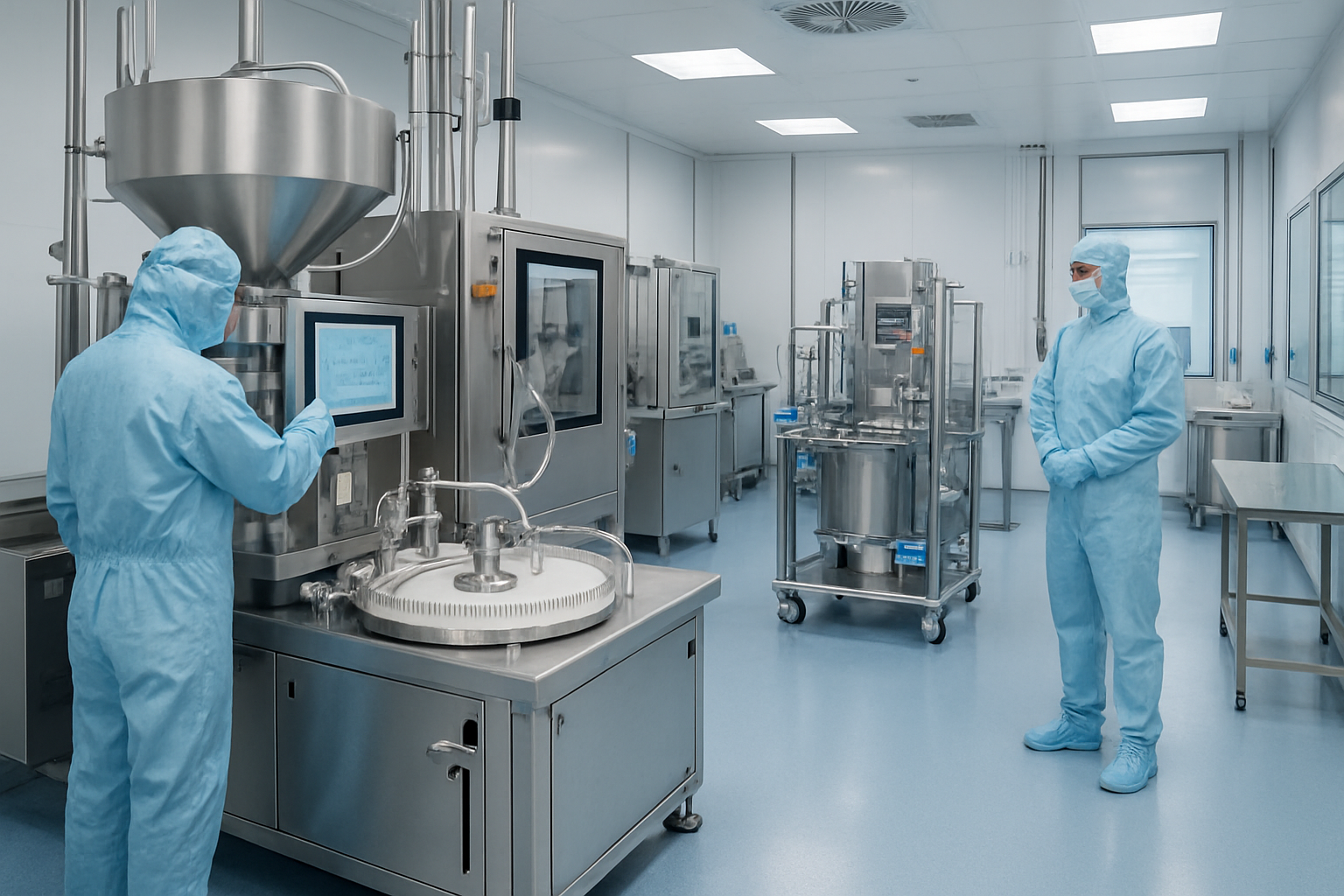
Pharmaceutical manufacturing is complex, governed by strict regulations and demanding quality standards. Several key factors drive up manufacturing costs, including:
- Escalating prices of raw materials
- High energy consumption
- Frequent equipment maintenance needs
- Stringent compliance requirements
- Validation and documentation expenses
- Skilled workforce requirements
- Costs associated with product rework and rejects
Moreover, many facilities are plagued by hidden inefficiencies that further inflate operational costs.
The Hidden Costs of Inefficiencies
Even minor inefficiencies in manufacturing can lead to substantial financial losses over time. Common inefficiencies include:
- Excessive machine downtime
- Batch failures
- Overproduction
- High rejection rates
- Material waste
- Excessive inventory storage
Focusing solely on direct production costs may cause companies to overlook these operational inefficiencies, which can accumulate over time and significantly increase overall expenses.
Enhancing Process Efficiency
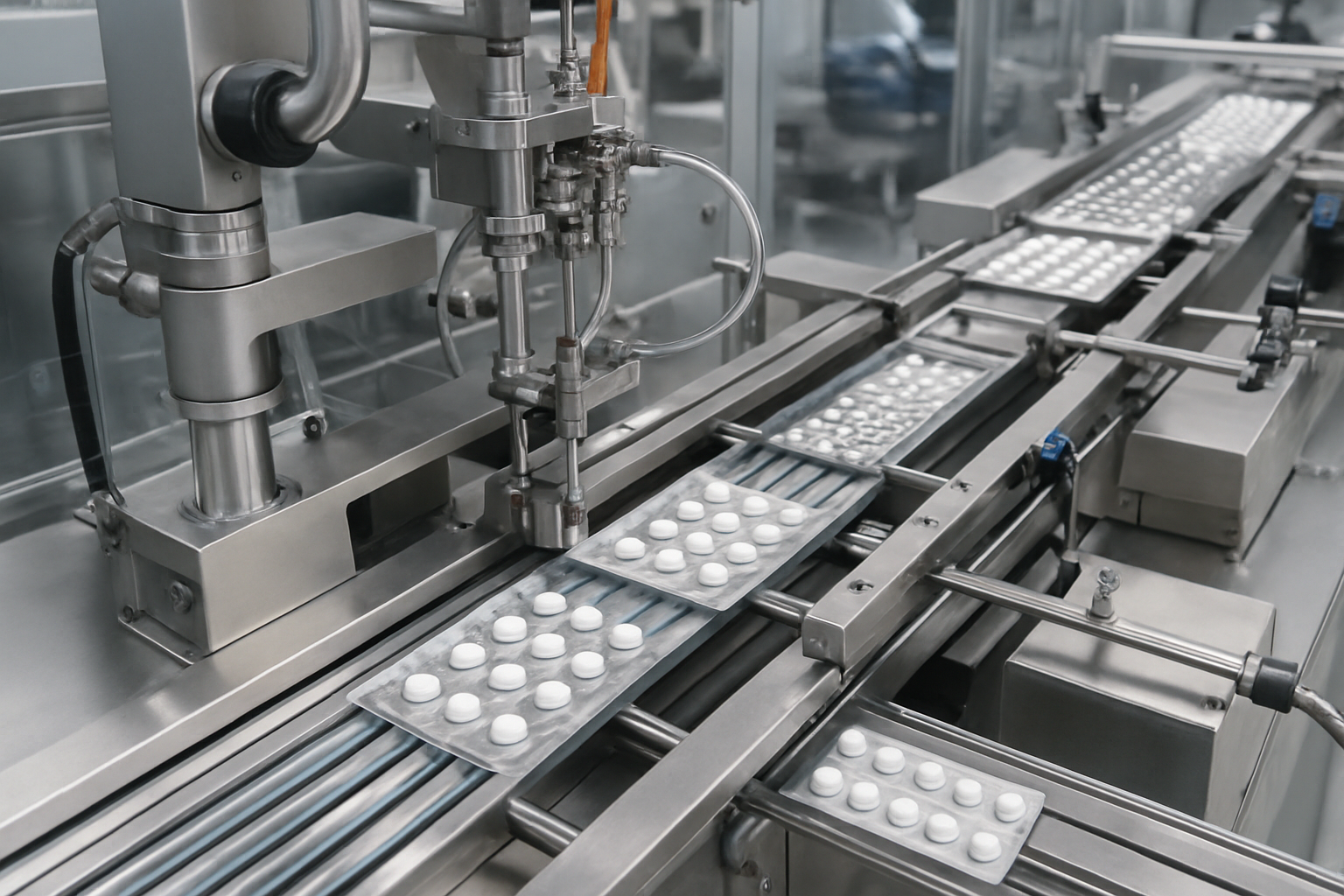
One of the most effective ways to lower manufacturing costs is by improving process efficiency. Key benefits of an efficient process include:
- Reduced cycle times
- Increased productivity
- Minimised waste generation
- Lower utility consumption
Even modest improvements can yield significant annual savings. Areas worth evaluating include:
- Optimising mixing times
- Reducing drying cycle durations
- Improving compression efficiency
- Refining coating processes
- Enhancing cleaning protocols
Minimising Equipment Downtime
Equipment downtime can account for substantial unseen costs in the pharmaceutical industry. When machinery fails unexpectedly, the implications can include:
- Delays in scheduled product production
- Labour losses
- Product shortages
- Increased maintenance costs
Implementing preventive maintenance programmes can mitigate the risks of unplanned breakdowns and extend equipment life.
Approaches for Effective Downtime Reduction
Loading flowchart…
- Planning and scheduling preventive maintenance
- Managing spare parts inventory
- Training operators effectively
- Implementing predictive maintenance systems
- Real-time equipment monitoring
Facilities that adopt comprehensive maintenance strategies frequently achieve greater operational efficiencies.
Optimising Raw Material Usage
The costs associated with raw materials represent a significant portion of pharmaceutical manufacturing expenses. Poor handling can lead to:
- Material waste
- Product contamination
- Incorrect dispensing
- Inventory losses
Enhancing material control systems can lead to reduced expenses. Improvements might include:
- Implementing accurate dispensing systems
- Enhancing inventory management practices
- Establishing robust supplier qualification procedures
- Minimising expired material
- Improving storage conditions
Reducing Batch Rejections and Rework
Batch rejections incur significant costs due to wasted raw materials, labour, machine time, and packaging. Rework also adds complexity and expense to production. Common causes of batch failures include:
- Process deviations
- Operator errors
- Equipment malfunctions
- Environmental factors
- Lack of adequate training
Implementing effective root cause analysis and corrective action systems can significantly lower rates of repeat failures.
Optimising Production Planning
Effective production planning is crucial for controlling operational expenses. Poor planning may lead to:
- Unnecessary product changeovers
- Excessive idle equipment
- Increased labour costs due to overtime
- Excessive inventory levels
A well-structured production schedule maximises manufacturing capacity and minimises inefficiencies. Best practices include:
- Grouping similar products
- Minimising unnecessary product changes
- Balancing production capacity
- Accurately forecasting demand
Reducing Cleaning and Changeover Times
Cleaning and changeover processes in multi-product facilities consume considerable time and resources. Lengthy cleaning procedures can lead to:
- Increased downtime
- Higher water consumption
- Increased use of cleaning products
- Higher labour costs
Improving cleaning efficiency can result in significant cost savings. Opportunities for enhancement include:
- Optimising cleaning methodologies
- Utilising clean-in-place (CIP) systems
- Improving equipment design
- Eliminating unnecessary cleaning steps
- Employing validated rapid cleaning systems
Managing Energy Consumption
The energy demands of pharmaceutical facilities can be substantial, mainly due to electricity consumption by HVAC systems, air compressors, water systems, and manufacturing equipment. Optimising energy use can lead to significant cost reductions. Strategies for energy savings include:
- Using energy-efficient motors
- Optimising HVAC operations
- Monitoring for leaks in compressed air systems
- Switching to LED lighting
- Improving building insulation
Regular energy audits can identify areas of utility loss and highlight potential savings.
Leveraging Automation for Cost Efficiency
Automation can streamline processes, reducing human intervention and variability. Automated systems enhance:
- Production accuracy
- Data integrity
- Process consistency
- Labour productivity
Examples of automation in the industry include:
- Automated dispensing systems
- Electronic Batch Records (EBR)
- Automated environmental monitoring
- Robotic packaging systems
While initial investments in automation may be high, the long-term cost savings often justify the expenditure.
Enhancing Inventory Management
Excess inventory can inflate storage costs and increase the risk of material expiration. Ineffective inventory management can lead to:
- Overstocked materials
- Obsolete inventory
- Limited storage space
- Increased handling costs
Adopting modern inventory management systems can enhance material flow and reduce waste. Effective strategies include:
- Implementing First-In, First-Out (FIFO) and First-Expired, First-Out (FEFO) practices
- Digitally tracking inventory
- Forecasting demand for future supplies
- Coordinating closely with suppliers
Training Employees to Reduce Errors
A significant proportion of manufacturing deviations stem from human error. Insufficient training can result in:
- Documentation inaccuracies
- Improper equipment use
- Batch rejections
- GMP compliance failures
Ensuring employees receive thorough training enhances both production quality and operational performance. Key training areas include:
- GMP compliance
- Proper equipment operation
- Documentation practices
- Deviation management
- Cleaning protocols
Streamlining Documentation with Digital Systems
Transitioning from paper-based to digital documentation systems can significantly reduce administrative burdens. Traditional paper systems necessitate:
- Extensive printing
- Manual reviews
- Physical archiving
Digital systems enhance efficiency by minimising documentation errors, reducing review time, conserving paper, and expediting document retrieval.
Optimising Vendor and Supplier Relationships
Supplier quality issues can significantly escalate manufacturing costs. Problems such as:
- Late deliveries
- Poor material quality
- Damaged packaging
can disrupt production schedules and increase the likelihood of product rejections. Strategies to enhance supplier relationships include:
- Conducting supplier audits
- Establishing long-term contracts
- Monitoring vendor performance
- Qualifying multiple suppliers
- Fostering strong relationships with vendors
Implementing Lean Manufacturing Principles
Lean manufacturing methodologies focus on eliminating waste across all operational areas. The primary forms of waste include:
- Defects
- Overproduction
- Waiting times
- Excess inventory
By applying lean principles, pharmaceutical companies can create products that are manufactured more efficiently.
Utilising Data Analytics for Informed Decision-Making
Pharmaceutical manufacturing generates a vast amount of operational data, which can be analysed to identify:
- Process bottlenecks
- Inefficient equipment usage
- Operational inefficiencies
- Quality trends
- Energy consumption patterns
Data-driven insights facilitate improved decision-making and help reduce overall operational costs.
Maintaining Compliance While Optimising Costs
Cost-reduction efforts should never compromise product quality, patient safety, or regulatory compliance. Non-compliance can lead to severe consequences, including:
- Import alerts
- Product recalls
- Warning letters
- Civil liabilities
Effective cost reduction strategies should focus on eliminating non-value-added activities while adhering to GMP regulations and operational standards.
Long-Term Advantages of Cost Optimisation
Reducing manufacturing costs has benefits that extend beyond immediate monetary savings. Companies that focus on optimisation often experience:
- Enhanced competitiveness
- Improved operational efficiency
- Increased profitability
- Less waste generation
- Better sustainability
Pharmaceutical companies that continuously refine their processes typically achieve superior business performance over time. A balanced approach focusing on efficiency, improvement, waste reduction, and operational excellence is vital for sustainable growth in the pharmaceutical sector.
Comments (0)
Loading comments…
Checking sign-in status…