

Hospital and clinical pharmacy is essential for patient care, focusing on effective medication management to enhance outcomes. The integration of electronic prescribing and discharge systems improves efficiency and safety in medication processes.
Hospital and clinical pharmacy plays a crucial role in patient care within various healthcare settings. This includes hospitals, outpatient clinics, and other facilities dedicated to patient health. The effective management of medication use is key to optimising patient outcomes, ensuring that the right medication is administered to the right patient at the right time.
Hospital Pharmacy Functions

Within a medical facility, hospital pharmacy encompasses several critical functions. This includes the selection, preparation, storage, compounding, and dispensing of medications. Pharmacists are tasked with providing vital information to both patients and healthcare providers about the safe and effective use of medications.
Objectives of Hospital Pharmacy
The primary aim of hospital pharmacy is to enhance patient outcomes through effective medication management. This requires a systematic approach to:
- Selecting appropriate medications
- Prescribing and procuring medications
- Delivering and administering medications
- Reviewing medication efficacy and safety
Ensuring that the correct patient receives the correct dose via the correct route at the correct time is paramount.
Responsibilities of Hospital Pharmacists
Hospital pharmacists have a diverse range of responsibilities, including:
- Developing personalised medication plans for patients
- Collaborating with physicians and healthcare teams on drug-related decisions
- Preparing medications for hospital use
- Educating patients about their medications
- Participating in clinical trials for new treatments
- Providing emergency medication support
Professional Organisations in Hospital Pharmacy
Organisations such as the Federation of International Pharmacists (FIP) play a pivotal role in advancing hospital pharmacy practices. Since 1957, FIP has worked towards improving pharmacy standards globally through education and communication. National pharmacy organisations also convene to address current issues and strategise for future advancements in the profession.
Clinical Pharmacy Overview
Clinical pharmacy focuses on the optimisation of patient health outcomes through the effective use of medications. This discipline promotes wellness and prevention, employing a patient-centered approach to pharmaceutical care.
Clinical Pharmacists' Contributions
Clinical pharmacists are integral to the healthcare team, specialising in the therapeutic use of medications. Their responsibilities include:
- Evaluating medication therapies and recommending suitable treatments
- Providing evidence-based medication advice
- Identifying untreated medical conditions that may benefit from medication
- Monitoring patient progress and adjusting medications as necessary
- Engaging in direct patient care in various healthcare settings
As the role of clinical pharmacists expands, they increasingly engage with patients outside of traditional settings, enhancing accessibility to medication management services.
Education and Professional Development
To practice as a clinical pharmacist, individuals must obtain a higher education degree in a relevant field. This typically includes coursework in biology, chemistry, pharmacology, and socio-behavioral sciences, though requirements may vary by country.
Electronic Prescribing Systems
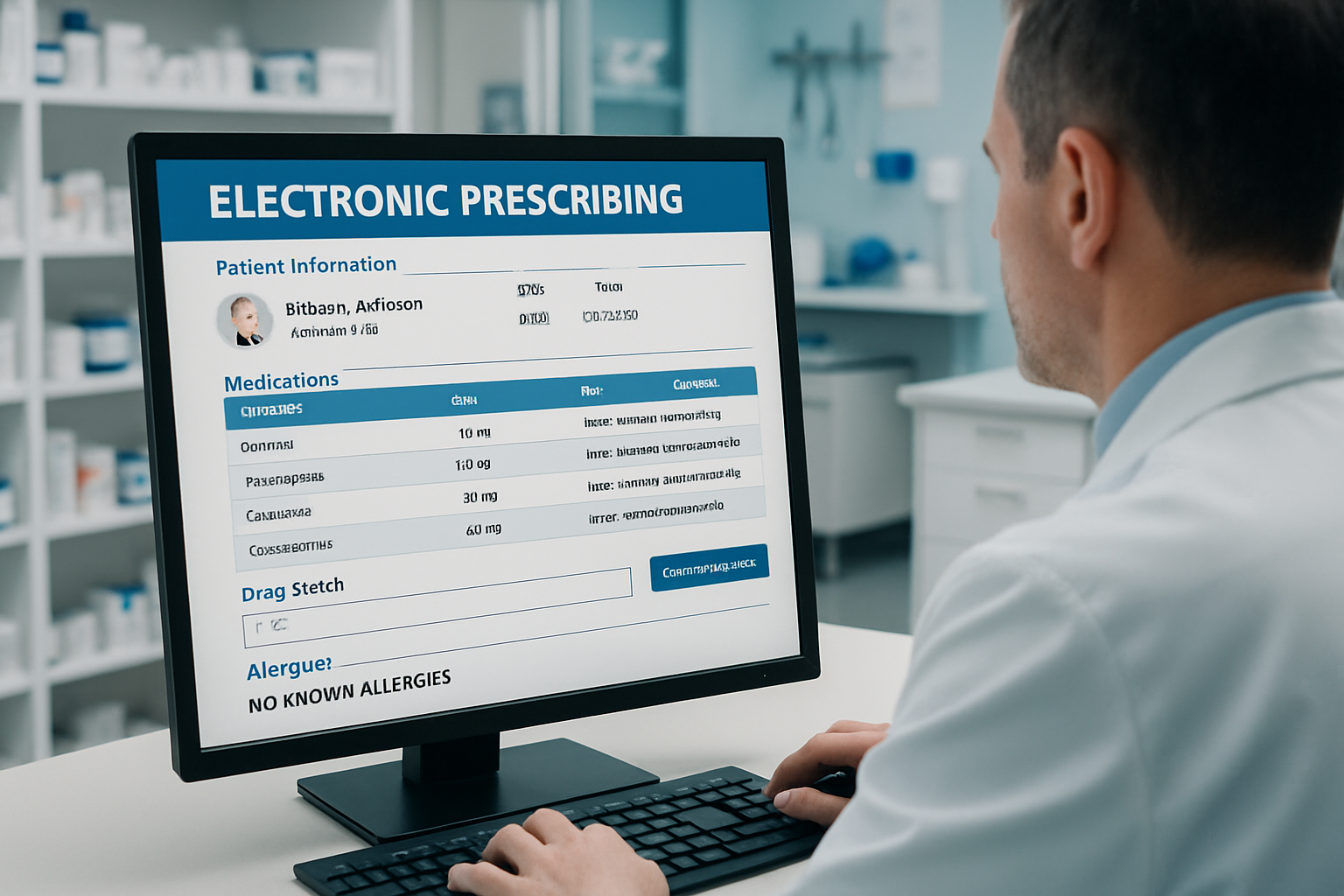
Electronic prescribing (e-prescribing) represents a significant advancement in medication management, allowing healthcare providers to write and transmit prescriptions electronically. This system enhances the efficiency of prescription processes and improves patient safety by reducing errors associated with handwritten prescriptions.
Electronic Discharge Systems
Electronic discharge systems facilitate the tracking and management of patients throughout their hospital stay. These systems streamline processes and improve resource management, enabling quicker patient discharges. An electronic discharge module integrates information from various sources to automate the completion of discharge letters, thus enhancing operational efficiency.
Advantages of Electronic Discharge Systems
Implementing electronic discharge systems offers several benefits:
- Reduction in medication errors during discharge
- Increased efficiency in patient management
- Enhanced communication with general practitioners through electronic transmission of discharge letters
- Time savings for both patients and healthcare providers
By utilising these systems, hospitals can optimise bed occupancy and reduce overall healthcare costs.
Overall Impact on Healthcare
The integration of electronic systems in hospital and clinical pharmacy not only streamlines operations but also significantly contributes to patient safety and satisfaction. These advancements reflect an ongoing commitment to improving healthcare delivery and outcomes.
Comments (0)
Loading comments…
Checking sign-in status…