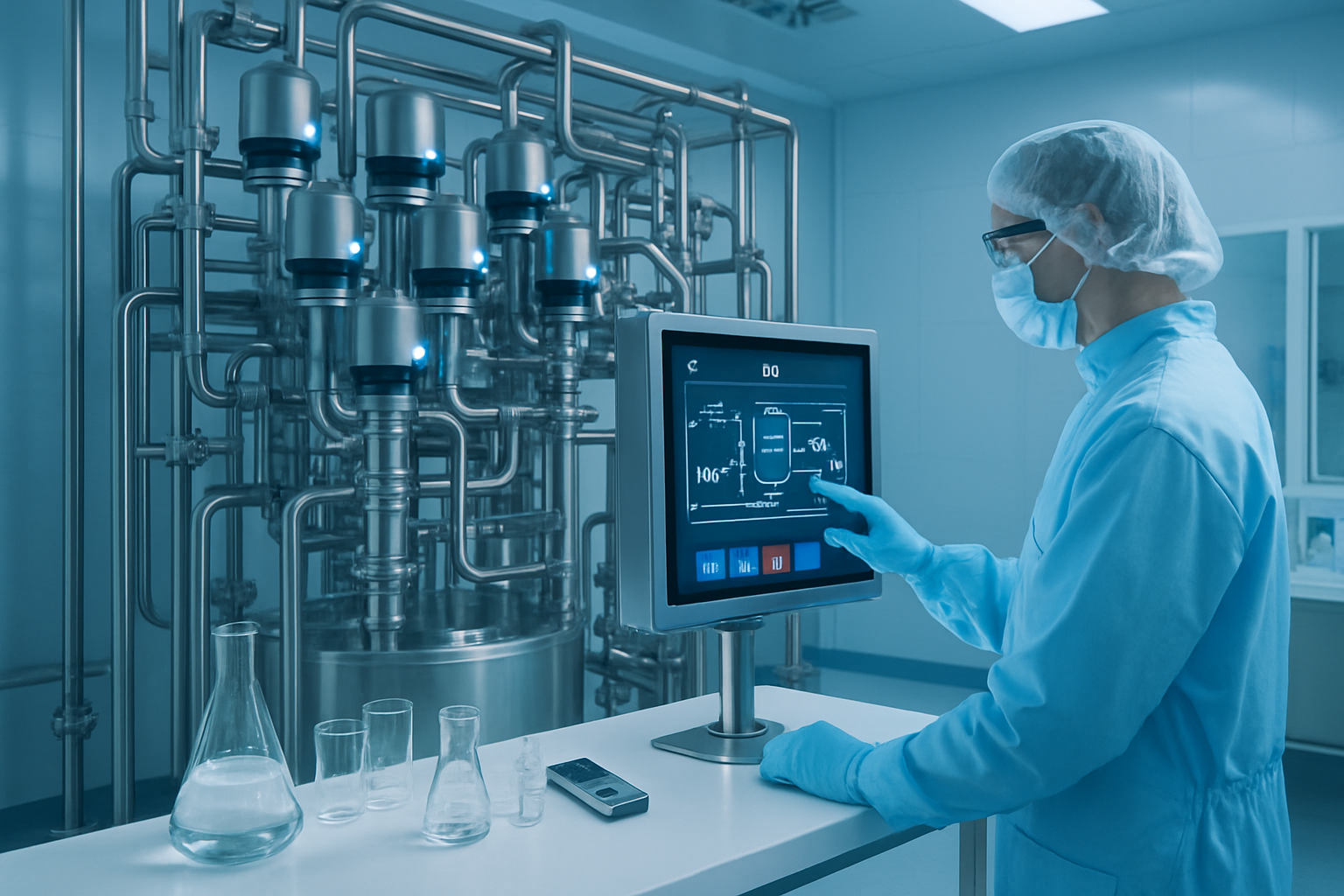
Cleaning validation for Clean-in-Place systems is essential in pharmaceuticals to prevent cross-contamination and ensure product quality. It involves thorough protocols, sampling techniques, and ongoing monitoring to confirm effective cleaning processes.
In the pharmaceutical and biotechnology sectors, the cleaning of manufacturing equipment plays a vital role in preventing cross-contamination and maintaining product quality. Clean-in-Place (CIP) systems are widely employed for this purpose, allowing for the automated cleaning of equipment without the need for disassembly. However, the reliability of these systems hinges on thorough validation to confirm that the cleaning processes are both effective and reproducible.
Understanding Clean-in-Place (CIP) Systems
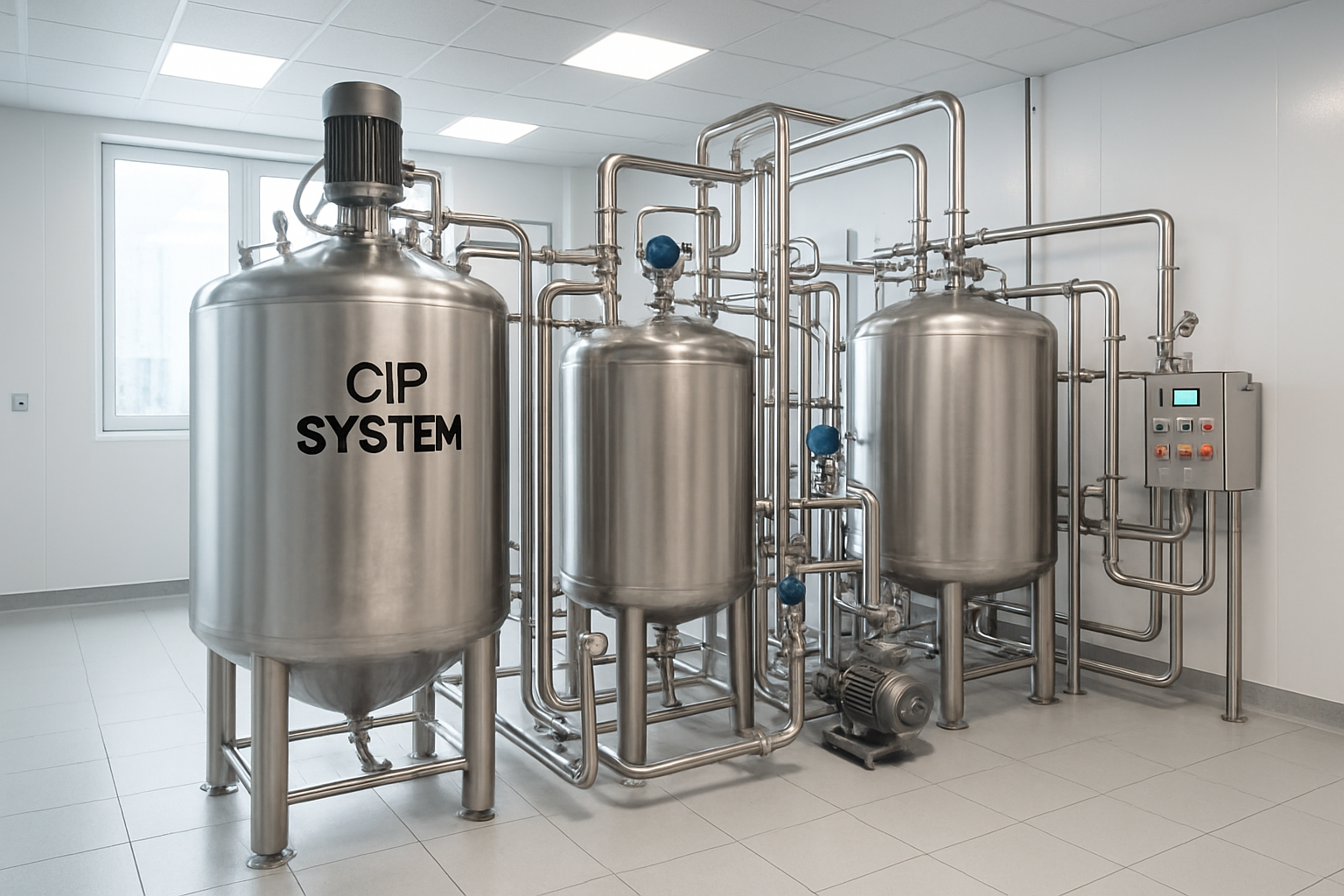
A Clean-in-Place system automates the cleaning of equipment by performing several key steps: pre-rinsing with water to eliminate residues, a detergent cycle to remove remaining product residues, post-rinsing to wash away detergent traces, a final rinse with purified water or water for injection, and, if necessary, a sanitization cycle. This method is particularly prevalent in clean room environments and in the production of liquid oral dosage forms.
The Importance of Cleaning Validation
Cleaning validation is essential to confirm that cleaning procedures effectively eliminate all residues, including previous products, cleaning agents, and microbial contaminants. The primary goals include:
- Preventing cross-contamination between different products
- Ensuring the safety and efficacy of the final product
- Meeting regulatory standards
- Maintaining the reliability of equipment to reduce batch failures
Regulatory Requirements
Regulatory bodies such as the FDA, EMA, WHO, and others expect documented evidence of the validation of cleaning procedures. The FDA stipulates that these procedures must consistently control contamination to acceptable levels.
Essential Components of CIP Cleaning Validation
Development of the Validation Protocol
Loading flowchart…
A validation protocol serves as a comprehensive plan that outlines the scope, methodology, and acceptance criteria for the cleaning validation process. Important elements include:
- The objective of the validation
- Details on the equipment and product
- Details of the cleaning procedure and parameters
- Sampling plans and locations
- Analytical methods and detection limits
- Acceptance criteria and the number of required validation runs (typically three consecutive runs)
- Criteria for revalidation
The validation protocol must be specific to each product when the same equipment is used for various products.
Selection of the Most Challenging Product
When equipment is used for multiple products, identifying the most challenging product to clean is critical. This product, often referred to as the worst-case product, is typically the one that poses the greatest cleaning challenge, whether due to insoluble components or high toxicity. Factors to consider include:
- The solubility of the active pharmaceutical ingredient (API)
- The exposed surface area of the equipment
- The potency and toxicity of the product
Validating against the worst-case product ensures that cleaning methods are effective for all products manufactured using the same equipment.
Sampling Techniques
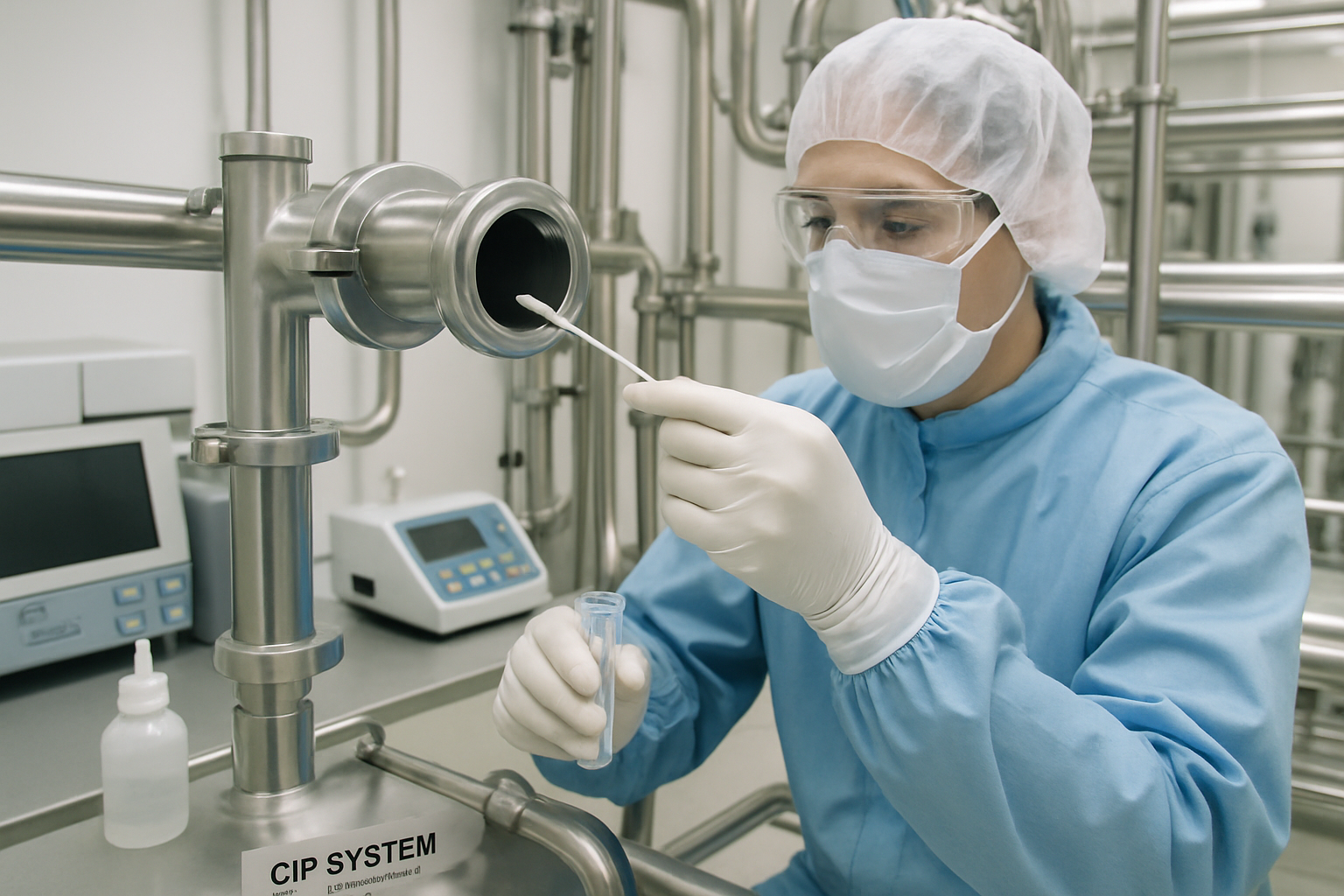
Two primary sampling methods are employed in cleaning validation:
- Swab Sampling: This involves physically wiping a defined surface area with a sterile swab, making it suitable for hard-to-clean areas such as gaskets and valves.
- Rinse Sampling: This method collects the final rinse solution from the CIP system, useful for determining the overall cleanliness of the system and detecting residues of water-soluble products or detergents.
Validation of Analytical Methods
Analytical methods used to detect residues must be validated for various parameters, including specificity, sensitivity, recovery, linearity, accuracy, and precision. Commonly used techniques are:
- High-performance liquid chromatography (HPLC)
- Total organic carbon (TOC) analysis
- UV-visible spectrophotometry
- Conductivity testing (for detergent verification)
Setting Acceptance Criteria
Acceptance limits in cleaning validation are established based on several criteria:
- No Visible Residue: Equipment surfaces must appear visually clean.
- Maximum Allowable Carryover (MACO): Calculated using the formula: MACO (mg) = (Minimum daily dose of previous product × Batch size of next product) / (Safety factor). This ensures that any residual drug is below a safe risk threshold.
- Microbiological Standards: For non-sterile systems, acceptable microbial counts must be defined, ensuring that pathogens are absent.
- Detergent Residues: Must remain below toxicological limits.
Implementation and Documentation
Cleaning validation needs to be executed precisely as described in the protocol. Key documentation includes equipment identification, dates, times, lot numbers, and cleaning agents used. It's essential to record actual parameters like flow rates, temperatures, and contact times, alongside analytical results and any deviations or investigations.
Revalidation and Ongoing Monitoring
Revalidation of cleaning procedures is necessary under specific circumstances, such as changes to the cleaning process, modifications to equipment, the introduction of new products, or observed deviations. Continuous monitoring ensures the cleaning effectiveness remains consistent.
Optimising CIP Cleaning Validation Practices
Designing Equipment for Enhanced Cleanability
Equipment should be designed to facilitate easy cleaning, avoiding dead legs and ensuring smooth welds through sanitary design principles.
Utilising Validated Cleaning Agents
Choosing effective cleaning agents that adequately address product residues and are compatible with the equipment materials is vital.
Automation of CIP Processes
Utilising automatic programmable logic controllers (PLCs) can enhance the reproducibility of cleaning results. Electronic recording of cleaning data improves traceability.
Conducting Studies on Cleaning Hold Times
It is important to define the maximum hold time for equipment that has been cleaned and for that which remains dirty, identifying the point at which cleaning procedures become ineffective.
Training Personnel Involved in Cleaning Procedures
Comprehensive training for all personnel involved in the cleaning processes ensures a thorough understanding of validation requirements, which is critical for successful cleaning validation.
Overcoming Challenges in Cleaning Validation
Challenges in cleaning validation often arise from factors such as inadequate sampling due to equipment design, insufficient documentation, variability in cleaning cycle parameters, and differences in water quality or cleaning agent concentration. Addressing these challenges requires collaborative efforts across functional teams, including QA, production, validation, and engineering. By improving these areas, organisations can enhance their CIP cleaning validation processes, thereby ensuring effective removal of product residues and contaminants.
Cleaning validation for Clean-in-Place systems is as crucial as it is for any other systems in the pharmaceutical industry. Through the adoption of robust strategies, validated analytical methods, and meticulous documentation, companies can safeguard product integrity and mitigate the risk of recalls and regulatory issues.
Comments (0)
Loading comments…
Checking sign-in status…