

Tablet compression is crucial in pharmaceutical manufacturing, transforming granules into tablets while ensuring uniformity in size, weight, and shape. Achieving consistent quality requires careful control of parameters, granule quality, and environmental conditions to prevent issues like capping and weight variability.
Tablet compression is a vital stage in the production of solid dosage forms in pharmaceuticals. It is during this phase that granules or powder blends are transformed into tablets, characterised by uniformity in size, weight, and shape. Although the process may seem straightforward, achieving consistent results necessitates the careful control of numerous parameters. Minor fluctuations during compression can lead to production failures, such as capping, lamination, and variations in tablet hardness and weight. Adhering to good manufacturing practices is essential to mitigate the risk of producing non-compliant products.
Grasping the Tablet Compression Methodology
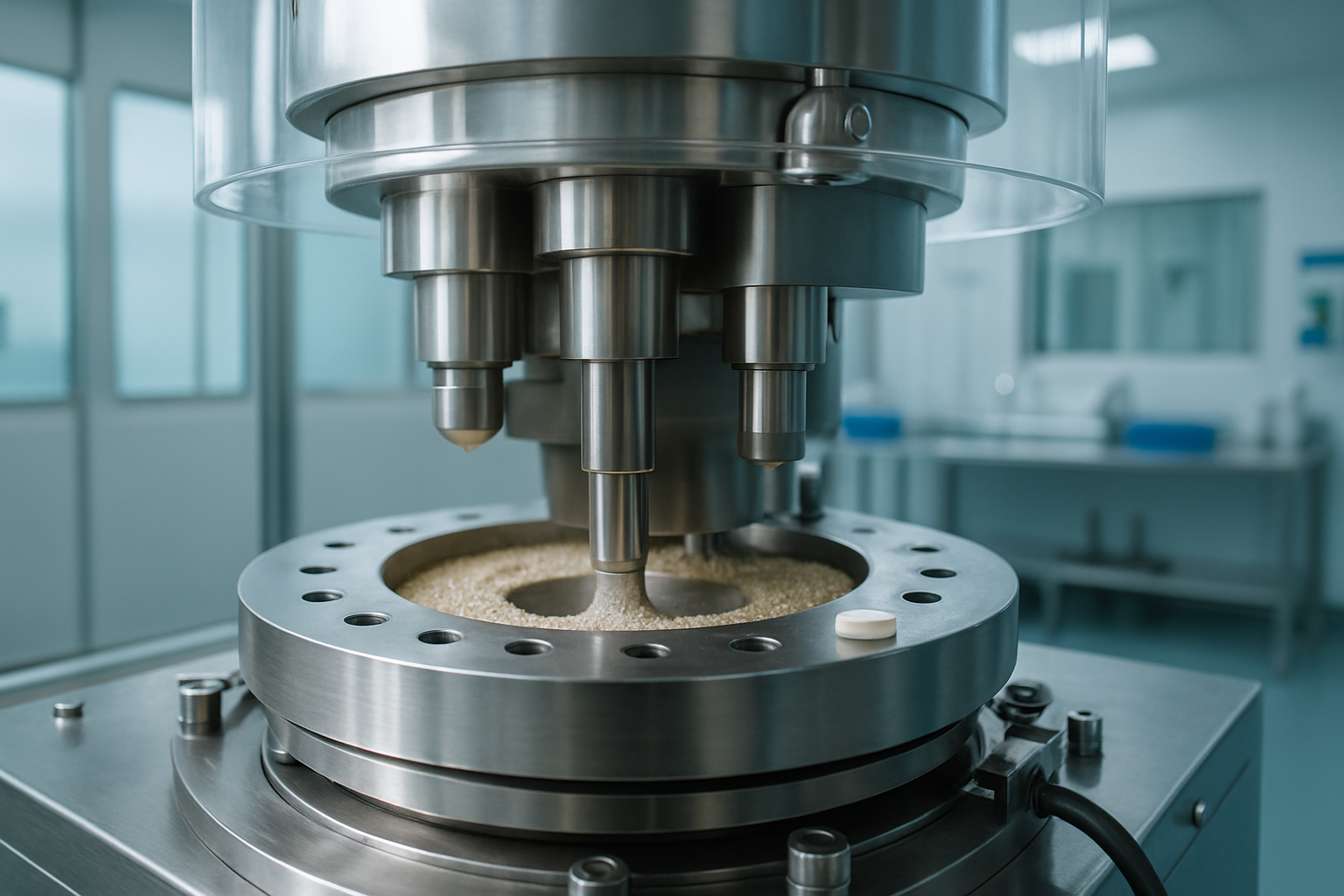
Tablet compression involves utilising mechanical forces to compact a powdered product through die and punch systems found in tablet presses. This process aims to create tablets that meet predetermined specifications for hardness, weight, thickness, and dissolution characteristics. The efficacy of tablet compression depends on various factors, including the materials in the formulation, the design of the tablet tooling (punches and dies), machine settings, and the ambient conditions in the production environment. Balancing all these variables is crucial for producing high-quality tablets.
Significance of Granule Quality
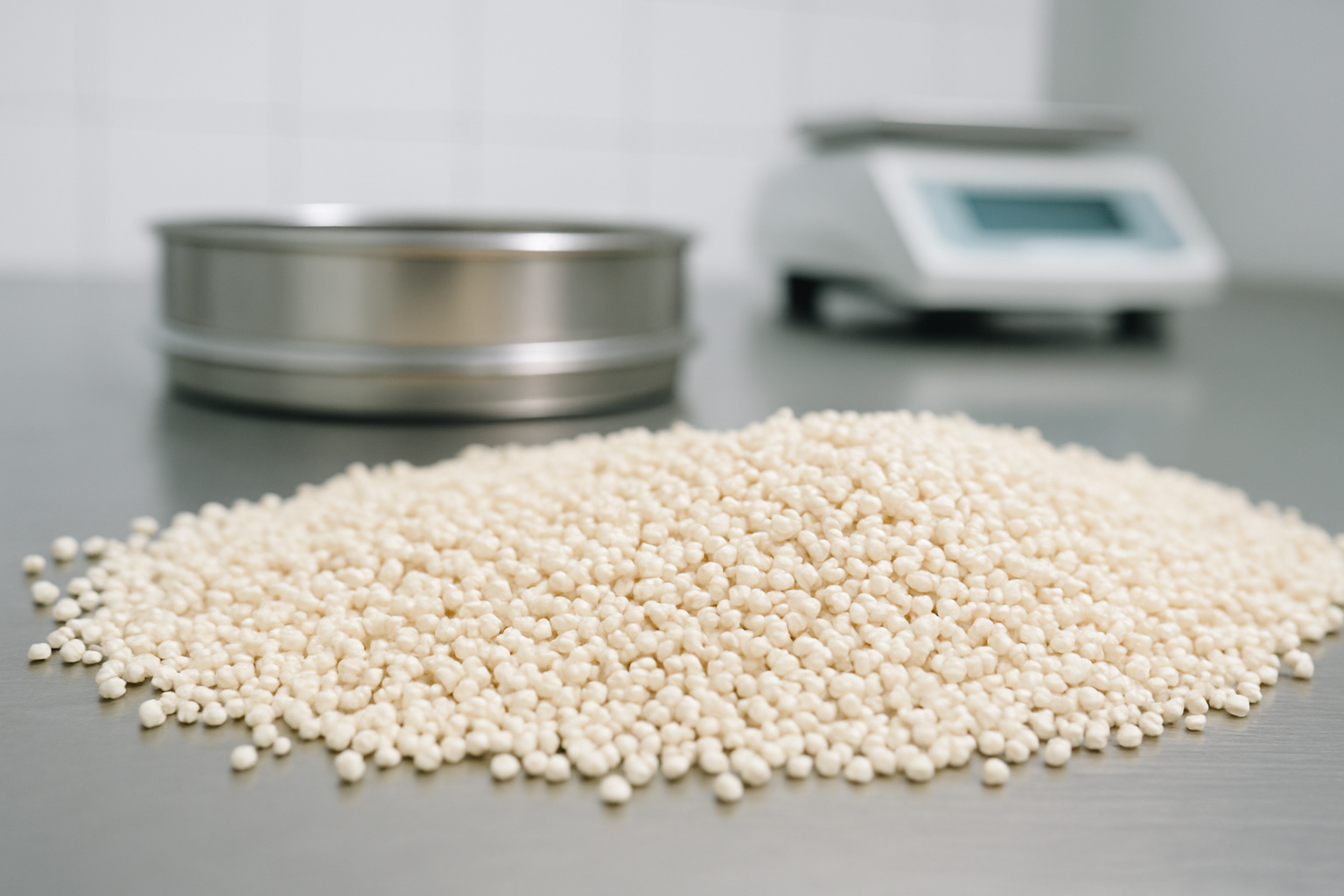
The quality of granules in a powdered mixture significantly influences the overall quality of the final tablet product. Poorly manufactured granules can negatively impact the tablet compression process. Essential characteristics of granules that support successful compression include:
- Uniform particle size
- Good flowability
- Appropriate moisture content
- Acceptable compressibility
Granules that are too dry may fail to adhere during compression, resulting in weak tablets, while overly moist granules can lead to issues such as sticking to the punches.
Control of Compression Parameters
Loading flowchart…
To maintain consistent tablet quality, it is vital to optimise the control of compression parameters:
Overview: compression Force
The hardness and density of a tablet are influenced by the compression force applied. Excessive force can lead to capping or lamination, while insufficient force results in soft or friable tablets.
Overview: turret Speed
While higher turret speeds can boost production rates, they may compromise tablet quality. It is essential to find a balance that ensures proper die filling and weight uniformity.
Overview: pre-Compression Force
Utilising pre-compression helps to remove air from the granules, reducing defects such as capping and enhancing tablet strength.
Overview: maintenance of Tooling and Equipment
Ensuring that tablet punches and dies are well-maintained is critical for consistency in each compression cycle. Regularly inspect these tools for wear and damage, properly clean them, and apply lubrication as needed. Replace any worn or broken tooling to avoid issues such as sticking or non-uniform tablet surfaces.
The Role of Lubrication
Lubricants are essential for minimising friction between the tablets and die walls. However, improper application can lead to complications. Excess lubrication can decrease tablet hardness, while insufficient lubrication may cause sticking. Uniform blending of the lubricant is also necessary for consistent performance.
Management of Environmental Conditions
Environmental factors within the compression zone significantly impact tablet quality. Key considerations include:
- Temperature
- Humidity
High humidity can cause tablets to stick, whereas low humidity may lead to brittleness. Controlling these conditions is crucial for achieving consistent outcomes.
In-Process Monitoring During Compression
Continuous monitoring of the tablet during the compression phase is vital to ensure product quality. Critical checks should include:
- Tablet weight
- Hardness
- Thickness
- Friability
Monitoring these parameters allows for early detection of production variances, enabling corrective actions before large quantities of tablets are affected.
Common Issues in Tablet Compression
Despite careful planning, several challenges may arise during the compression process:
Overview: capping
This issue involves the separation of a tablet from either its top or bottom, often due to trapped air or excessive compression force.
Overview: lamination
Lamination occurs when tablets separate into layers, often caused by over-compression or inadequate granulation.
Adhesion Problems
Sticking relates to the difficulty of removing tablets from the punch or die, frequently linked to high moisture content or inadequate lubrication.
Weight Variability
Inconsistent tablet weights can arise from uneven die filling, which may be due to poor flow properties or high machine speeds during operation.
Need for Process Validation
Validating the tablet compression process is essential for ensuring consistent product output. This validation involves defining critical processing parameters, conducting trial batches, and maintaining continuous monitoring throughout the process. Effective validation demonstrates compliance with Good Manufacturing Practices, reducing the likelihood of non-conforming batches.
Operator Contributions to Tablet Compression
Operators play a crucial role in guaranteeing the quality of compressed tablets. Even with advanced technology, operator oversight is necessary for successful outcomes. Key responsibilities include:
- Monitoring equipment performance
- Conducting in-process checks
- Reporting operational anomalies
Properly trained operators understand how critical parameters impact tablet quality.
Documentation and Traceability
Accurate documentation is fundamental for compliance and traceability. Important records to maintain include:
- Batch manufacturing records
- Machine settings
- In-process testing results
- Deviation and corrective action logs
Good documentation practices facilitate preparedness for audits and support quality assurance activities.
Practices for Reliable Tablet Compression
A structured approach helps to ensure the consistency of tablet production. Best practices include:
- Ensuring high granulation quality
- Controlling compression parameters
- Maintaining equipment and tooling
- Monitoring environmental conditions
- Conducting in-process checks
- Providing thorough employee training
Implementing these practices reduces variability and enhances product quality.
Regulatory Compliance Expectations
Regulatory agencies require pharmaceutical manufacturers to demonstrate proficiency in managing tablet compression processes. Compliance entails:
- Documented process parameters
- Documented procedures
- Validated processes
- Ongoing monitoring measures
Adhering to Good Manufacturing Practices is vital for compliance with these regulatory standards. The quality of tablets can be affected by various factors, including the quality of granules, machine settings, environmental conditions, and operator competency. By following best practices and maintaining validated processes, pharmaceutical manufacturers can consistently produce high-quality tablets that meet regulatory requirements.
Comments (0)
Loading comments…
Checking sign-in status…