
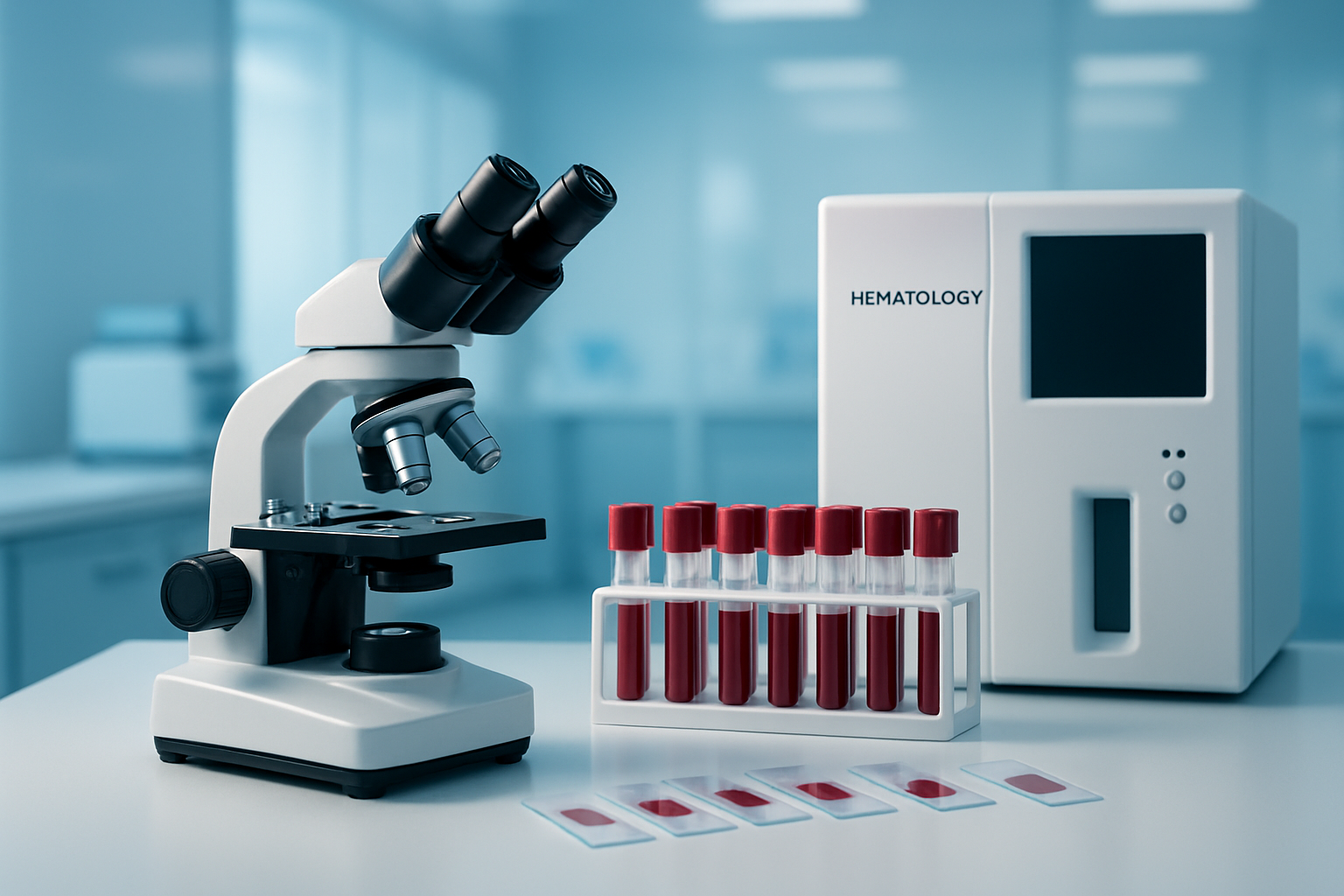
Hematological disorders affect blood components and can lead to significant health issues, especially in children. This article discusses iron deficiency anemia, megaloblastic anemia, and sickle cell disease, highlighting their symptoms, causes, and management challenges.
Hematological disorders encompass a range of diseases affecting the blood and its components, including red blood cells, white blood cells, and platelets. These conditions can lead to significant health issues, particularly in children, who may experience genetic or acquired blood disorders. Understanding these conditions is essential for effective diagnosis and treatment.
Iron Deficiency Anemia

Iron deficiency anemia is a prevalent condition characterised by a lack of healthy red blood cells due to insufficient iron levels. Red blood cells are crucial as they transport oxygen to tissues throughout the body. When iron levels are inadequate, the body struggles to produce sufficient hemoglobin, the protein responsible for oxygen transport.
Recognising Symptoms
The symptoms of iron deficiency anemia can be quite subtle at first, often going unnoticed. However, as the condition progresses, they become more pronounced. Common indicators include:
- Brittle nails
- Pale skin
- Cold hands and feet
- Weakness
- Headaches
- Dizziness
- Extreme fatigue
- Poor appetite
Identifying Causes
The underlying reasons for iron deficiency anemia primarily relate to insufficient iron intake or loss of blood. Key contributing factors include:
- Blood Loss: Conditions leading to chronic blood loss, such as heavy menstrual periods or gastrointestinal bleeding, can deplete iron stores.
- Dietary Insufficiency: A diet lacking in iron-rich foods, such as meat, eggs, and leafy greens, can result in deficiency over time.
- Malabsorption Issues: Intestinal disorders like celiac disease can impede the absorption of iron from food.
- Increased Demand: During pregnancy, women require more iron to support both their own health and the development of the fetus.
Megaloblastic Anemia
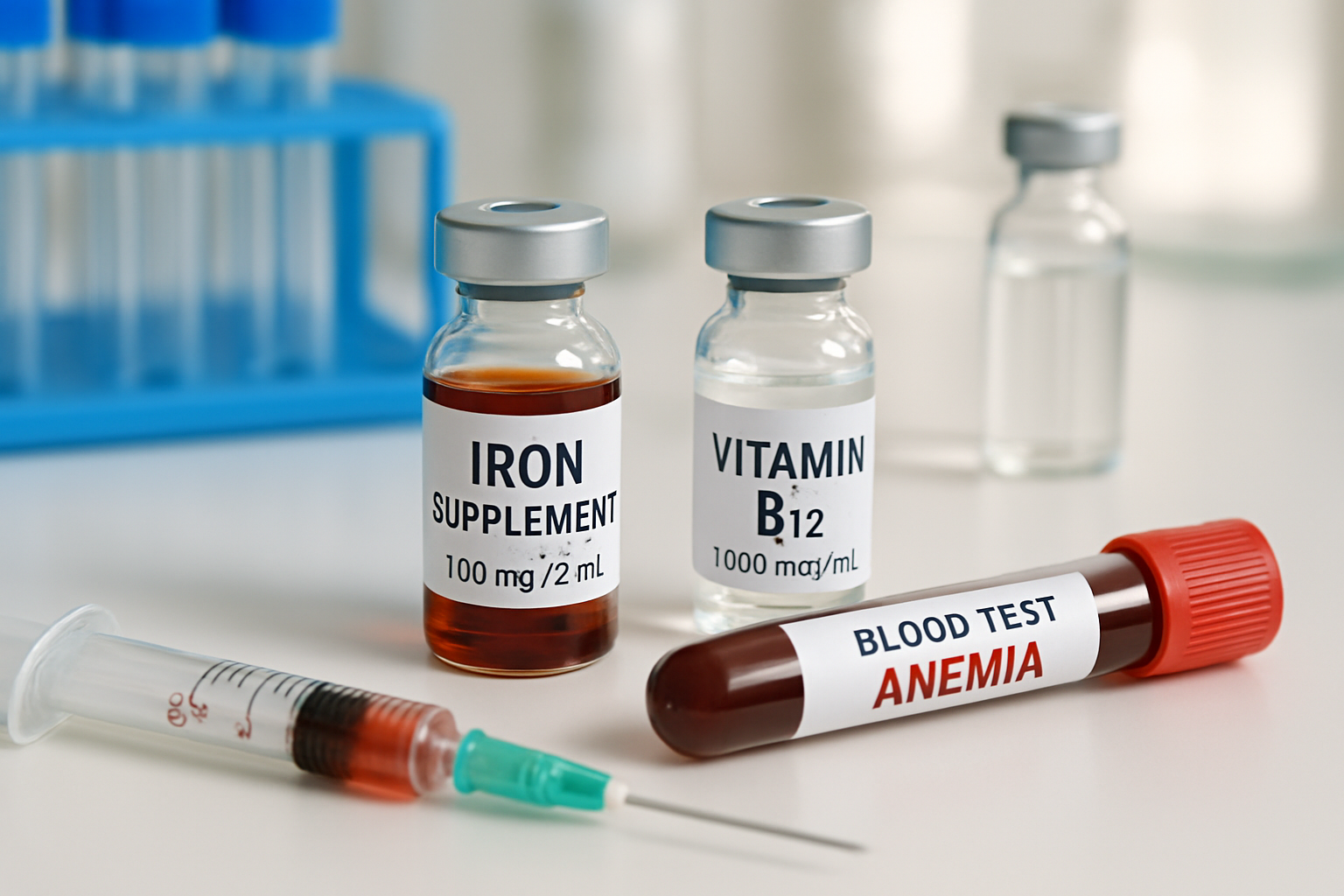
Megaloblastic anemia is marked by the presence of abnormally large red blood cells and a reduced overall count of these cells. This condition typically arises from deficiencies in vitamin B12 or folic acid, which are essential for proper red blood cell formation.
Challenges with Absorption
Individuals suffering from megaloblastic anemia may have difficulty absorbing these vitamins due to dietary insufficiencies or gastrointestinal issues. This can lead to incomplete red blood cell development and premature cell death.
Sickle Cell Disease
Sickle cell disease, which includes sickle cell anemia, is a genetic disorder that affects the shape and function of red blood cells. Instead of being round and flexible, the cells become crescent-shaped, which can obstruct blood flow and limit oxygen delivery to tissues.
Symptoms of Sickle Cell Disease
Symptoms typically appear around five months of age and vary widely among individuals. Common symptoms include:
- Anemia due to the rapid breakdown of sickle cells, leading to insufficient oxygen transport.
- Pain crises, which can vary in intensity and duration, often requiring medical attention.
- Swelling in the hands and feet as a result of blocked blood flow.
- An increased susceptibility to infections due to spleen damage.
- Delayed growth in children and adolescents due to inadequate red blood cell supply.
- Vision problems stemming from blocked blood vessels in the eyes.
Each of these hematological disorders presents unique challenges and requires careful management to mitigate symptoms and improve the quality of life for affected individuals.
[[TABLE_1]]
Comments (0)
Loading comments…
Checking sign-in status…