

Technology transfer in pharmaceuticals is essential for moving knowledge from R&D to manufacturing, ensuring compliance with quality and safety standards. Effective execution can prevent delays and quality issues, while structured phases and thorough documentation are critical for success.
Technology transfer is a crucial aspect of the pharmaceutical industry that bridges the gap between drug development and commercial manufacturing. Proper execution of this process ensures that all relevant knowledge, operational parameters, and quality benchmarks from research and development (R&D) are accurately translated to manufacturing scales. Failure to implement effective technology transfers can lead to significant delays, quality issues, or even product recalls.
Understanding Technology Transfer
In the pharmaceutical context, technology transfer refers to the structured process of transferring product or process knowledge from one phase of the product lifecycle to another, typically from R&D to manufacturing. This transfer may involve various changes, such as moving production between locations or transitioning from pilot to commercial production. As highlighted in ICH Q10, organisations bear the responsibility to manage information and quality risks effectively during these transfers. The end goal is to enable the receiving organisation to produce pharmaceutical products that consistently comply with quality, safety, and efficacy standards.
Importance of Effective Technology Transfer
Successful technology transfer can yield several key benefits:
- Preparation for Production: Ensures that manufacturing capabilities are aligned with product quality requirements.
- Regulatory Adherence: Demonstrates an organisation's command over its processes, adhering to guidelines from agencies such as the FDA or EMA.
- Operational Effectiveness: Minimises knowledge loss during the handover between R&D and production.
- Cost Efficiency: Reduces instances of production failures and deviations during scale-up.
- Continuity of Business Operations: Facilitates a seamless transition when moving production between sites or contract manufacturers.
Key Phases in Technology Transfer

Loading flowchart…
A structured approach is essential for a successful technology transfer, which can be broken down into five core phases:
A. Planning and Evaluation
This initial phase sets the foundation for the transfer process:
- Define objectives and scope, identifying key stakeholders in R&D, manufacturing, and regulatory teams.
- Establish a timeline and allocate responsibilities.
- Conduct feasibility assessments to evaluate the receiving site's capabilities.
- Develop a Technology Transfer Plan (TTP) that outlines deliverables, risk assessments, and milestones.
B. Knowledge Sharing and Documentation
For technology transfer to succeed, robust documentation is pivotal. The sending unit must provide comprehensive knowledge packages that include:
- Descriptions of analytical methods and associated validation data.
- Specifications for raw materials and finished products.
- Equipment lists along with calibration and cleaning procedures.
- Health and safety requirements.
The receiving unit must review and assimilate this information, ensuring that knowledge transfer sessions and training have occurred to guarantee thorough understanding.
C. Process Implementation and Scaling
This stage involves physically replicating processes at the receiving site based on transferred knowledge. Key activities include:
- Equipment mapping and qualification.
- Running pilot or engineering batches to identify scaling challenges.
- Adjusting process parameters as necessary.
- Ensuring compliance with Critical Quality Attributes (CQAs).
Data generated during this phase will form the basis for process validation and regulatory submissions.
D. Validation of Analytical Methods
This aspect focuses on transferring and validating analytical methods between laboratories. The transfer process typically involves:
- Familiarisation with the method and verification of its application.
- Conducting comparative tests between sending and receiving laboratories.
- Validation across key parameters, including accuracy and precision in accordance with ICH Q2(R2).
Overview: e. Process Verification and Regulatory Submission
This crucial phase involves quality assurance of process performance post-analytical method validation. It requires:
- Successful production of three validation batches under standard operating conditions.
- Demonstration of compliance with established specifications.
- Retention of all process validation documentation for regulatory review.
Critical Success Factors for Technology Transfer
The success of technology transfer depends on several key factors:
A. Effective Communication and Collaboration
Maintaining open channels of communication between all parties throughout the project is essential. Regular meetings and established platforms for sharing information can mitigate miscommunication risks. Joint governance teams can help track progress and resolve issues.
B. Thorough Documentation Practices
Accurate and systematic documentation is vital. Employing standard templates ensures that all technology transfer activities are organised, helping to avert delays caused by incomplete records. Recommended template types include:
- Technology Transfer Protocols
- Batch Records
- Equipment Qualification Reports
- Analytical Method Transfer Reports
C. Comprehensive Risk Management Strategies
Proactive risk management is essential for identifying and addressing potential issues before they materialise. Techniques such as Failure Mode and Effects Analysis and Risk Matrices can help pinpoint high-risk areas and formulate contingency plans.
D. Equipment and Facility Readiness
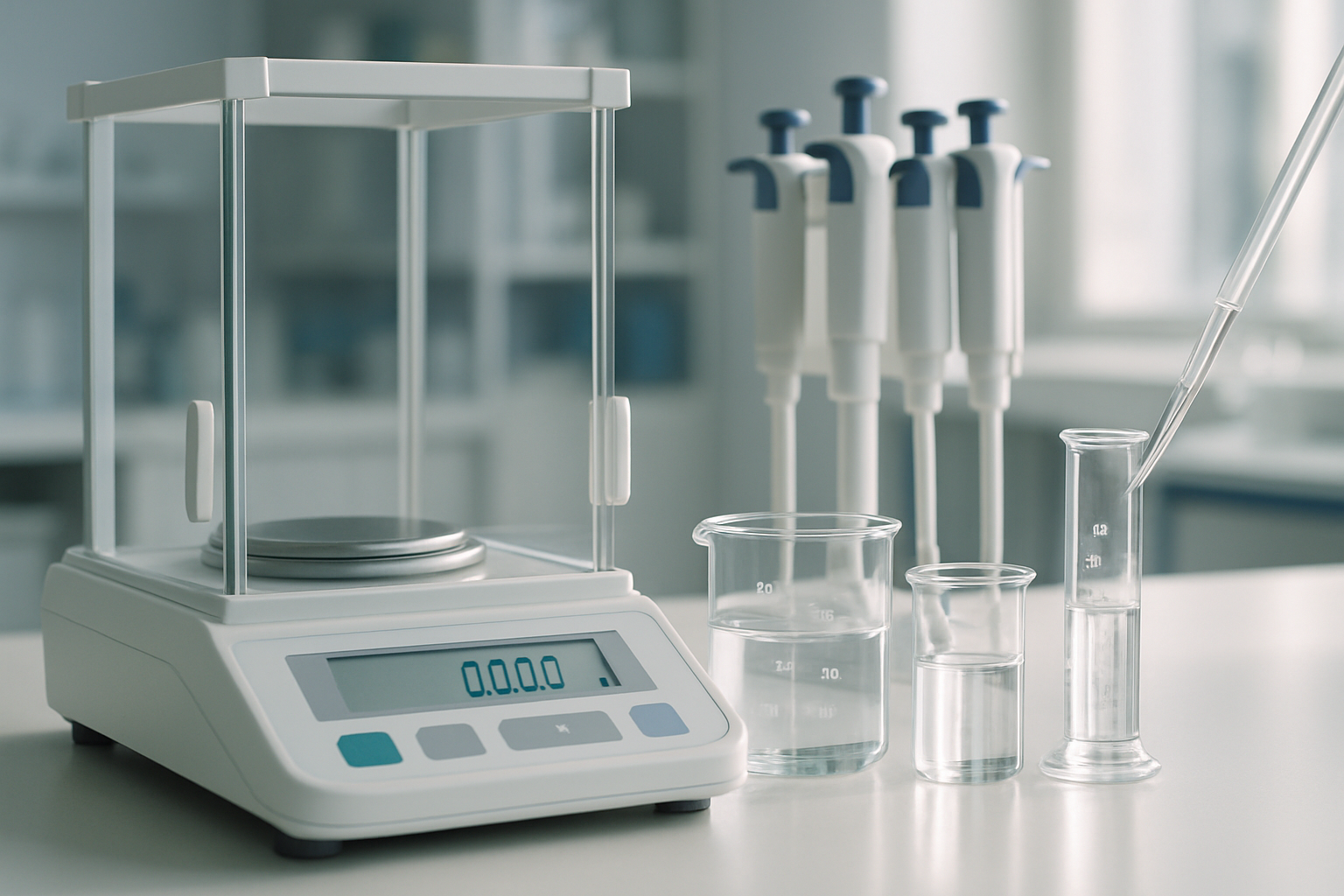
The receiving organisation must ensure that the necessary equipment and facilities are ready to support the intended operations. This includes verifying equipment qualifications and validating utility services, such as pure water and compressed air. Advance planning for any modifications is crucial to avoid delays.
Overview: e. Training and Competency Development
Personnel at the receiving site should receive appropriate training on new processes and analytical techniques. Training programs should encompass process controls, GMP documentation requirements, and safety protocols, with competency assessments documented prior to the start of commercial production.
F. Management of Changes and Quality Oversight
Any modifications during the transfer must be governed by a formal Change Control System. Quality Assurance should oversee all changes, documenting deviations, and ensuring Corrective and Preventive Actions (CAPA) are implemented and functioning.
G. Robust Project Management
Effective project management is essential for monitoring the transfer process’s timeline, resources, and deliverables. Employing project management tools can enhance accountability and visualization of progress.
Challenges Encountered in Technology Transfers
- Inadequate documentation leading to knowledge transfer gaps.
- Differences in equipment and scale necessitating further optimisation.
- Variability in raw materials from different suppliers.
- Communication barriers between R&D and manufacturing.
- Delays stemming from the need for validation data before regulatory acceptance.
Strategies to Address Challenges
Solutions to overcome these potential obstacles include:
- Running pilot lots to identify scale-up challenges early.
- Utilising consistent templates and checklists.
- Encouraging open communication and real-time collaboration.
- Involving regulatory teams from the outset of the transfer.
Overview: the Impact of Quality by Design (QbD) on Technology Transfer
Integrating Quality by Design principles during technology transfer enhances the robustness of the process by instilling a scientific rationale for decision-making. Key benefits of QbD include:
- Early identification of Critical Quality Attributes (CQAs).
- Clear definition of Design Space and Control Strategy.
- Utilisation of Design of Experiments (DoE) to optimise inputs for improved output quality.
Ongoing Evaluation and Enhancement of Technology Transfer Processes
Even after the initial product launch, technology transfer processes must be continuously assessed and improved. This includes reviewing production data to identify trends and ensuring that the technology transfer approach remains effective and reliable over time.
Comments (0)
Loading comments…
Checking sign-in status…