
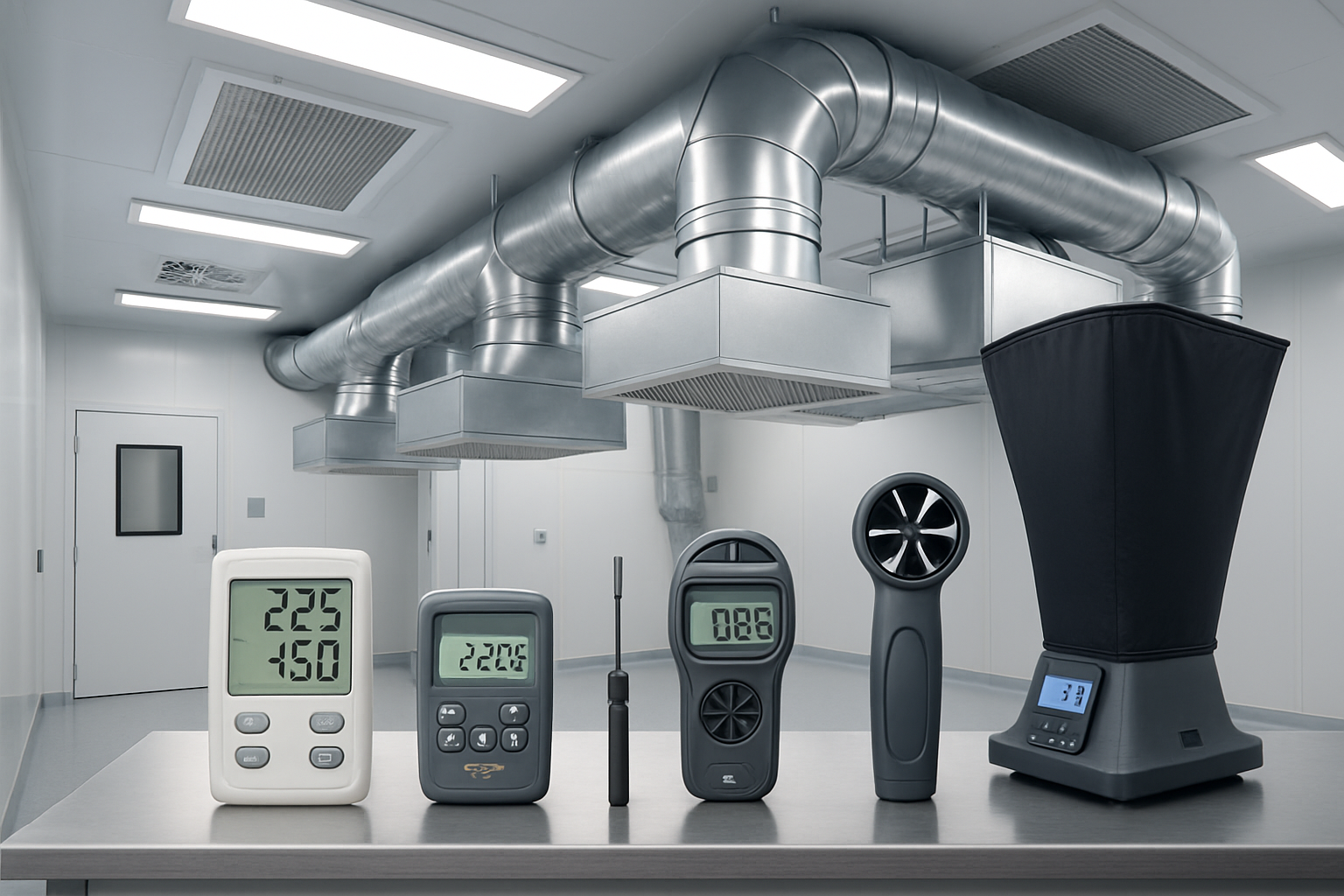
HVAC systems are vital in pharmaceuticals, impacting contamination control and product quality. Addressing validation deviations requires systematic investigation and corrective actions to maintain compliance with GMP.
HVAC systems play a crucial role in the pharmaceutical industry, directly influencing contamination control, product quality, and worker safety. Any deviations in HVAC performance can compromise these factors, necessitating thorough validation and prompt investigations. Understanding where these deviations typically occur and how to effectively address them is essential for maintaining compliance with Good Manufacturing Practices (GMP).
Common Sources of HVAC Validation Deviations
HVAC qualification involves multiple interconnected parameters, including temperature, humidity, airflow rates, and pressure differentials. Deviations in one area may indicate broader systemic issues. Below are some frequent problems encountered during HVAC validation.
Differential Pressure Issues
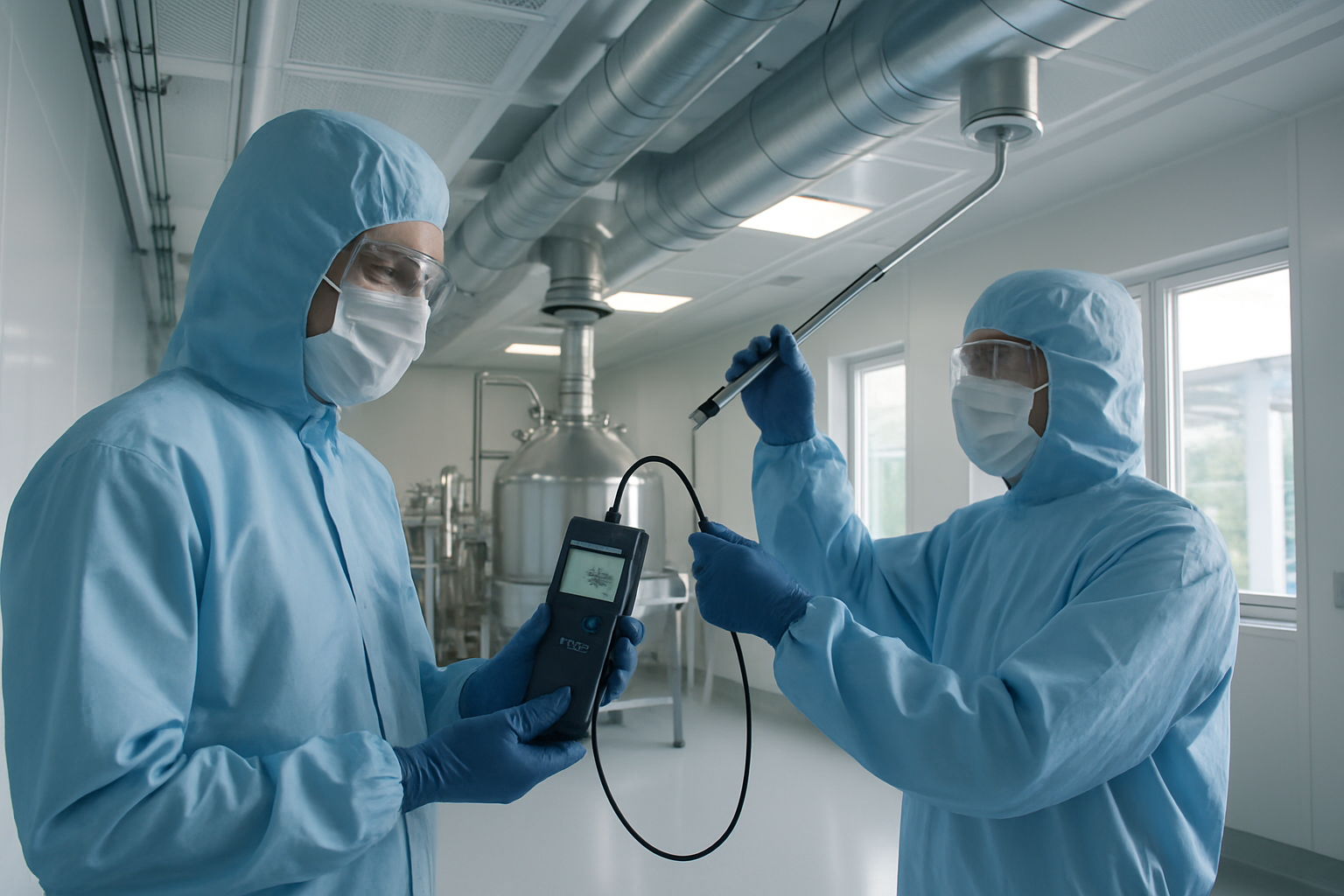
Maintaining proper differential pressure is vital for controlling airflow between different spaces. Numerous factors can disrupt the required pressure, such as poor air balancing, insufficient air supply, leaks, or blocked filters. Diagnostic checks should include:
- Calibration of differential pressure transmitters
- Assessment of fan airflow rates
- Inspection of doors and their opening sequences
- Examination of dampers and filters
- Investigation of potential air leaks
- Review of Building Management System (BMS) settings and alarms
Airflow and Change Rate Anomalies
Low airflow can stem from malfunctioning blowers, improper air distribution, or damper issues. While temporary fixes may modulate fan speeds, they do not resolve underlying performance deficiencies. Continuous monitoring and adjustment are essential to preserve air change rates.
HEPA Filter Integrity Compromises
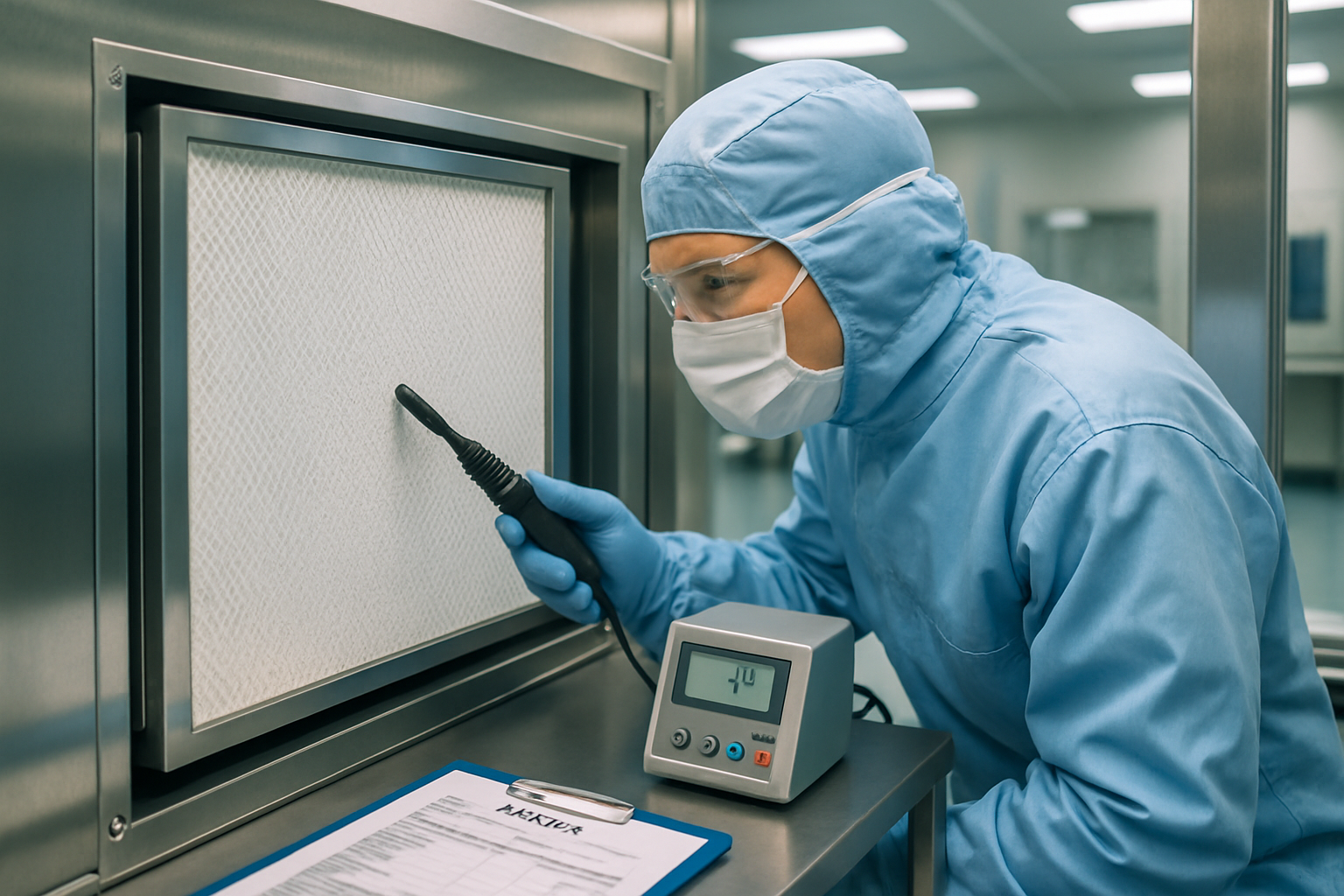
Integrity tests for HEPA filters are essential to identify potential leaks in the filter construction or installation. Following a failed integrity test, it is necessary to investigate further. Potential causes for failure include:
- Damaged construction materials
- Incorrect installation methods
- Defective gaskets or joints
- Handling errors
- Issues related to equipment housing
Regulatory guidance emphasizes that HEPA integrity tests must be consistently correlated with operational data.
Temperature and Humidity Fluctuations
Fluctuations in temperature and humidity can arise from inadequate system capacity, faulty probe placements, or seasonal weather impacts. Investigating the conditions during qualification tests is critical. For example, systems that effectively maintain a 22 degrees Celsius environment under standard conditions may falter during extreme temperature variations. Sensor placement also plays a vital role, as a single favourable reading does not guarantee uniformity across the entire space.
Overview: smoke Study and Airflow Pattern Anomalies
Smoke studies can reveal issues that standard measurement techniques might miss. These studies help visualise airflow patterns, detecting turbulence and stagnant zones that could lead to contamination. If a smoke study identifies problematic airflow, simply repositioning diffusers may not suffice. A thorough reassessment of equipment layout and operational procedures is often necessary.
Overview: particle Count and Recovery Challenges
Meeting airflow requirements does not always correlate with successful particle count and recovery tests. Failures can indicate several issues, including insufficient air volume, HEPA leaks, or inappropriate classification processes. Recovery testing helps assess how well the HVAC system restores conditions after it has been challenged.
Instrument Calibration and Related Deviations
Deviations in HVAC validation may not stem from the system itself. Calibration errors or incorrect settings can distort measurement data. Quality assurance teams should verify calibration certificates, assess raw data from the BMS, and ensure all instruments are functioning within specified parameters.
Strategies for Investigating HVAC Validation Deviations
Loading flowchart…
When investigating HVAC deviations, a systematic approach is vital. The process should flow logically from measurement and apparatus through to system performance and environmental impact. Key steps for effective investigation include:
- Verifying data and instrument accuracy
- Examining HVAC components
- Determining if the issue affects other connected systems
- Reviewing historical qualification data and trends
- Checking operational parameters of air handling units (AHUs)
- Monitoring fan and motor performance
- Assessing damper positions
- Investigating recent changes or maintenance activities
Timing is also significant; deviations occurring immediately after maintenance or adjustments warrant closer examination.
Corrective Actions and Root Cause Analysis
Effective corrective actions must address the root cause of the deviation. For instance, if improper balancing is identified, the system should undergo rebalancing and re-evaluation. Similarly, control strategies that are ineffective may necessitate engineering assessments and potential adjustments to operating parameters. Simply retesting until passing results are achieved constitutes inadequate corrective action.
Inspector Inquiry Considerations
During inspections, expect inquiries covering various aspects of HVAC operation. Inspectors may ask about systems in place for monitoring HVAC performance, records of previous deviations, and responses to alarms. Comprehensive documentation is essential as verbal assurances alone do not suffice. The investigation should transcend mere compliance, establishing how deviations relate to system design, their impact on GMP, and the effectiveness of corrective actions taken. Evidence gathering is crucial for substantiating that the HVAC system operates under controlled conditions.
Ultimately, a proactive approach to HVAC validation not only ensures compliance with standards but also safeguards product quality and operational efficiency.
Comments (0)
Loading comments…
Checking sign-in status…