
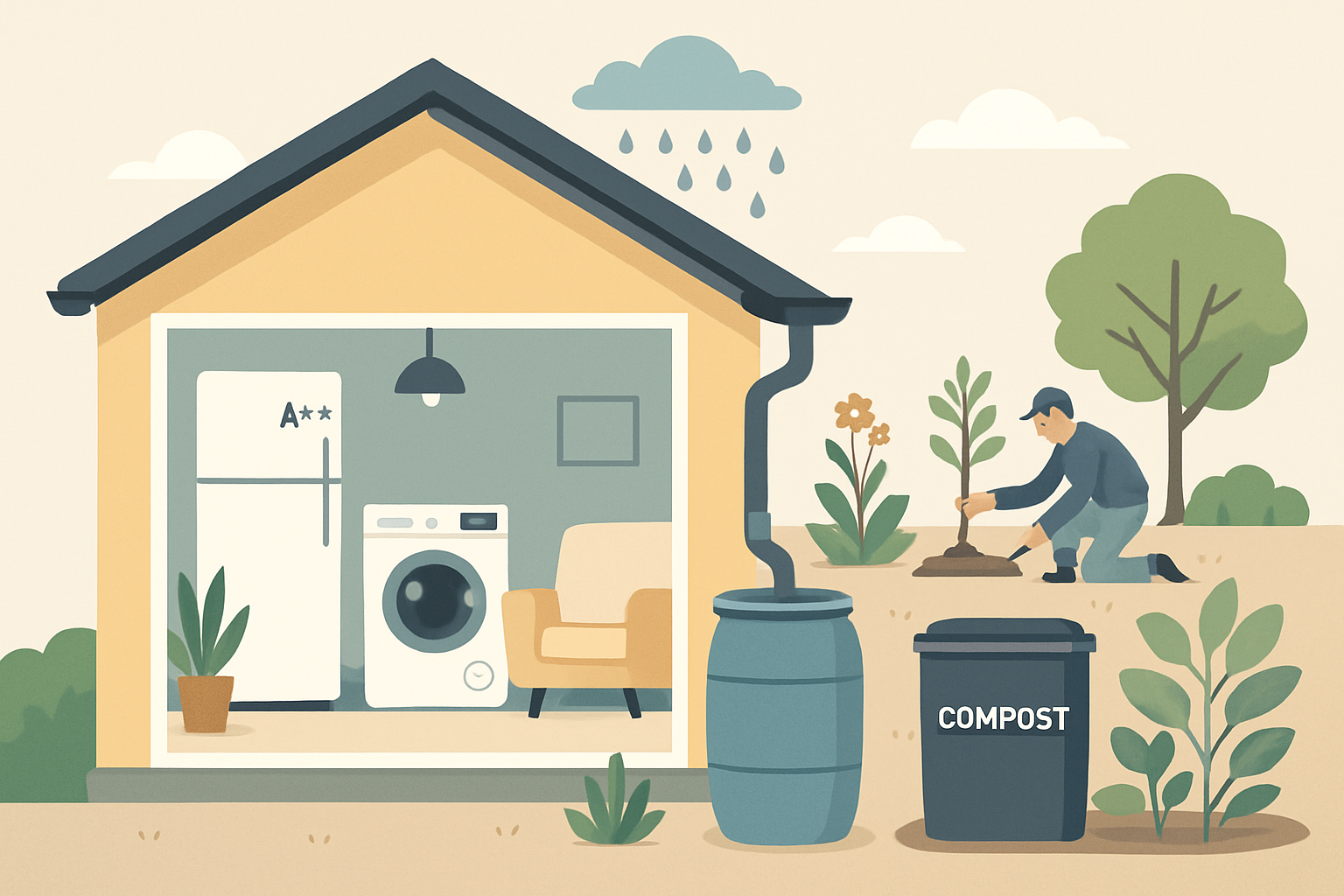
Individuals can significantly impact natural resource conservation through simple actions like conserving energy, water, and soil, managing food resources, and supporting forest preservation. Practical methods include using energy-efficient appliances, minimizing water waste, and participating in tree planting initiatives.
The conservation of natural resources is crucial for sustaining our environment and ensuring a balanced ecosystem. Individuals play a significant role in this effort through simple actions and lifestyle choices. This piece outlines practical methods for conserving energy, water, soil, food, and forests, illustrating how personal responsibility can lead to meaningful environmental impact.
Energy Conservation Strategies

Every small action counts when it comes to saving energy. Simple habits can significantly reduce energy consumption:
- Switch off lights and appliances when they are not in use.
- Utilise solar heaters for cooking and harness sunlight for drying clothes instead of using electric dryers.
- Employ energy-efficient LED bulbs throughout your home.
- Consider using pressure cookers to save cooking time and energy.
- Plant trees around your residence to provide natural cooling, reducing reliance on air conditioning.
- Opt for walking or biking for short distances, and use public transport whenever possible.
Water Conservation Techniques
Water is a precious resource that requires careful management. Here are effective ways to conserve it:
- Minimise water usage in daily activities and promptly repair any leaks in pipes.
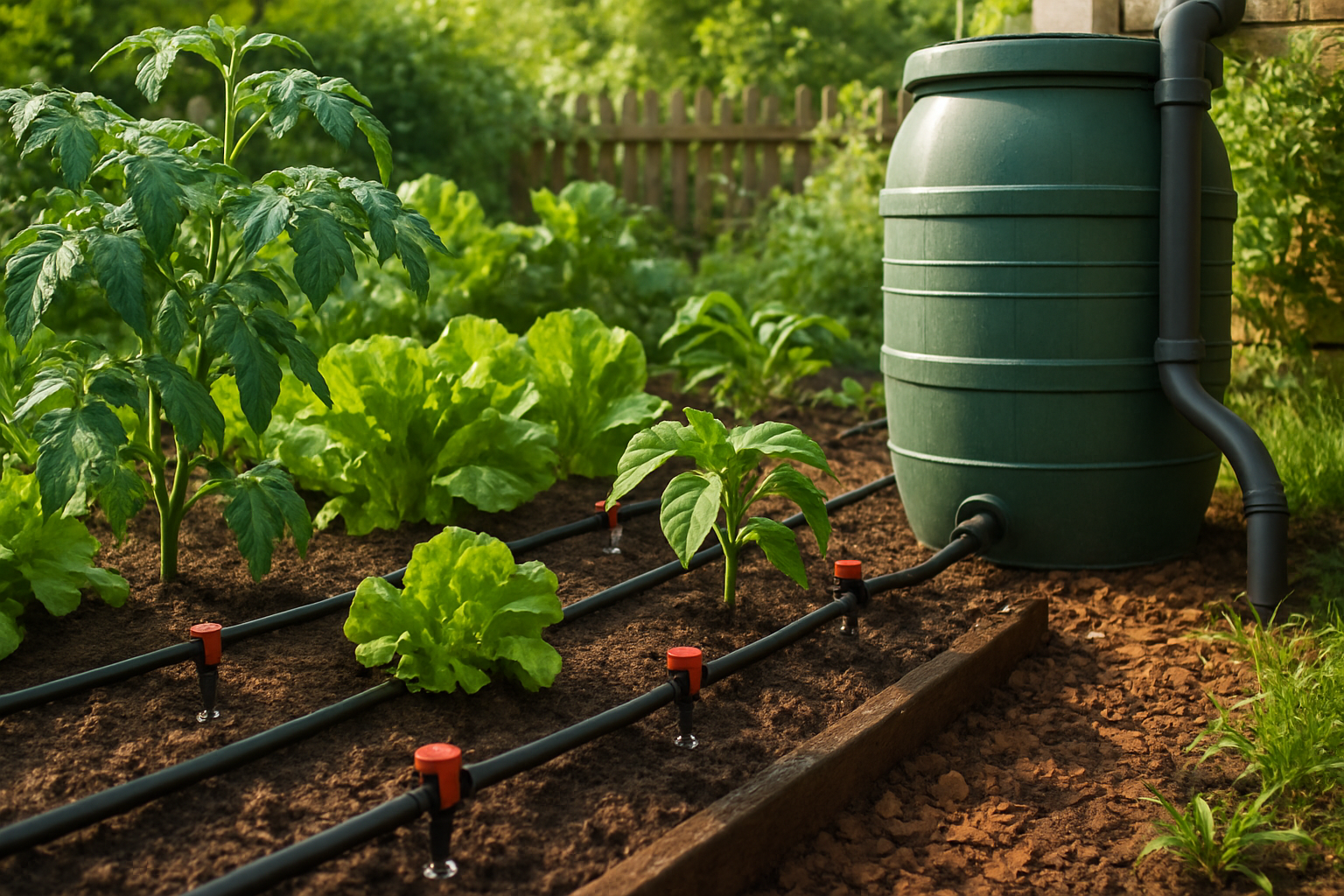
- Implement drip irrigation systems for gardens and agricultural practices.
- Collect rainwater through harvesting systems for later use.
- Avoid keeping water faucets running unnecessarily.
- Use leftover soapy water for cleaning outdoor areas after laundry.
- Water plants in the evening to reduce evaporation.
Soil Preservation Methods
Maintaining soil health is vital for agriculture and ecosystem stability. Consider the following approaches:
- Grow a variety of plants, including trees, herbs, and shrubs, to enhance soil structure and prevent erosion.
- Use compost made from kitchen waste to enrich the soil naturally.
- Employ sprinkler irrigation to manage water flow effectively during irrigation.
- Avoid unnecessary uprooting of trees during construction projects.
- Practice mixed cropping to maintain soil nutrients.
Food Resource Management
Food security is an essential aspect of resource conservation. To manage food resources effectively:
- Avoid food wastage by sharing surplus food with others.
- Store food grains in appropriate quantities to prevent spoilage and protect them from pests.
Forest Conservation Practices
Forests are vital for biodiversity and climate regulation. Individuals can contribute by:
- Using non-timber forest products to reduce pressure on timber resources.
- Participating in tree planting initiatives to increase forest cover.
- Avoiding single-use plastics to minimise waste.
- Reducing the use of paper and fuel wherever possible.
- Resisting the development of industrial projects in forested areas.
Equitable Resource Use for Sustainable Living
Addressing the disparity in resource consumption between developed and developing nations is crucial for a sustainable future. Developed countries consume a disproportionate share of global resources, while developing nations often bear the brunt of environmental degradation. A sustainable lifestyle encourages:
- Shifting resource use from more developed countries to less developed ones to help bridge the gap.
- Promoting equitable access to resources to foster global sustainability.
Innovative Approaches to Energy Resource Conservation
Government initiatives and educational programmes play a pivotal role in resource conservation. Individuals can also contribute by:
- Participating in environmental education initiatives at schools.
- Reducing reliance on non-renewable resources through practices like recycling and reusing materials.
- Minimising industrial waste discharge into natural water bodies to protect aquatic ecosystems.
- Supporting the development of alternative energy sources such as biogas and biofuels.
- Preventing overgrazing and poaching to maintain biodiversity.
Comments (0)
Loading comments…
Checking sign-in status…