
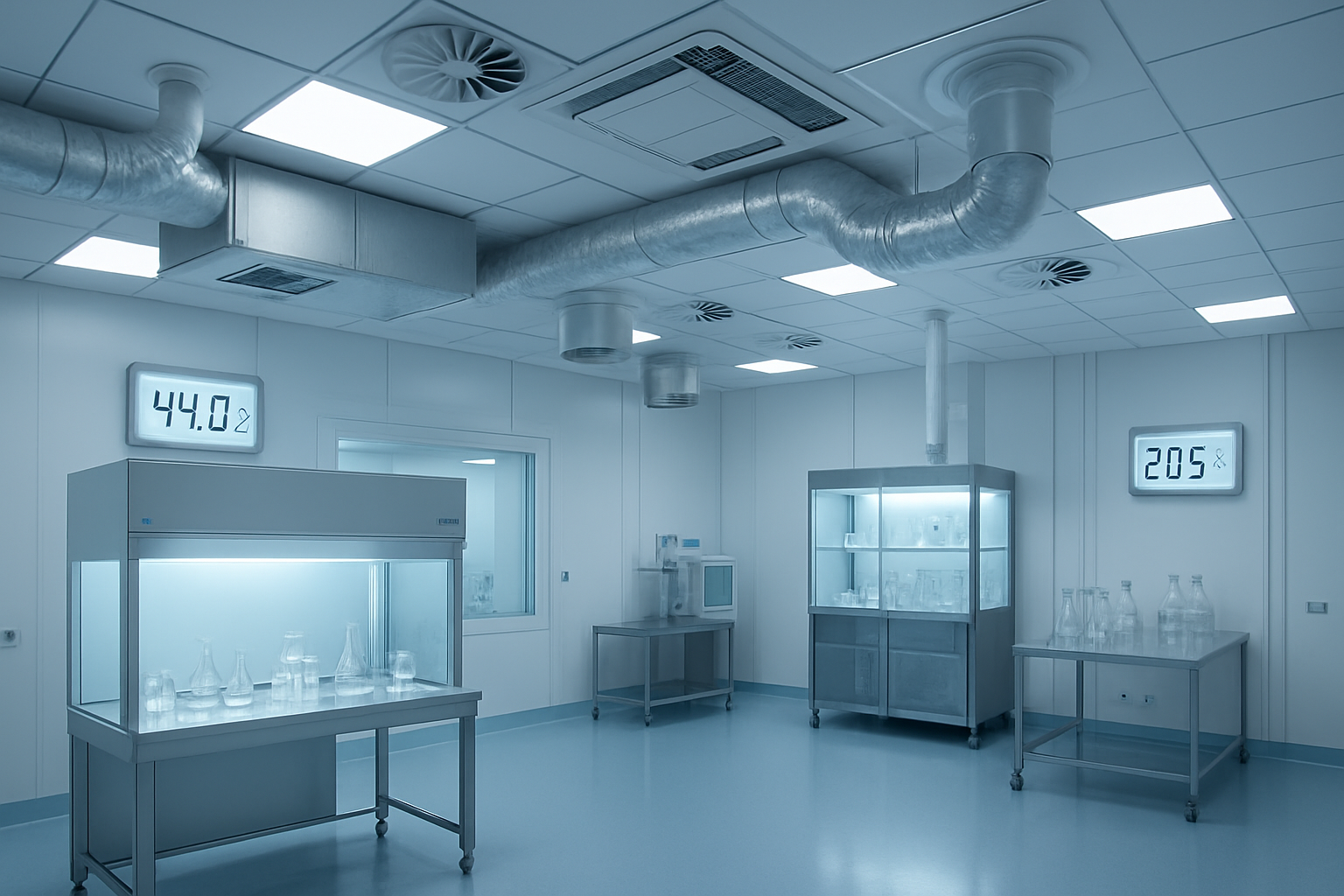
Seasonal qualification of HVAC systems in GMP environments is essential for maintaining product quality and compliance. It involves assessing system performance during different seasons, focusing on critical areas and challenges specific to summer and winter conditions.
In the pharmaceutical sector, maintaining a controlled environment is crucial for product quality and compliance. HVAC systems play a pivotal role in achieving this, yet their performance can fluctuate with seasonal changes. Understanding how to qualify these systems seasonally is essential for ensuring ongoing compliance with Good Manufacturing Practices (GMP).
Defining Seasonal Qualification
Seasonal qualification involves assessing the performance of HVAC systems during different seasons, focusing on how they respond to varying external conditions. This evaluation is not about re-qualifying the entire system but rather about confirming that the system continues to meet its design and operational specifications, even under challenging conditions.
Identifying Critical Areas for Assessment
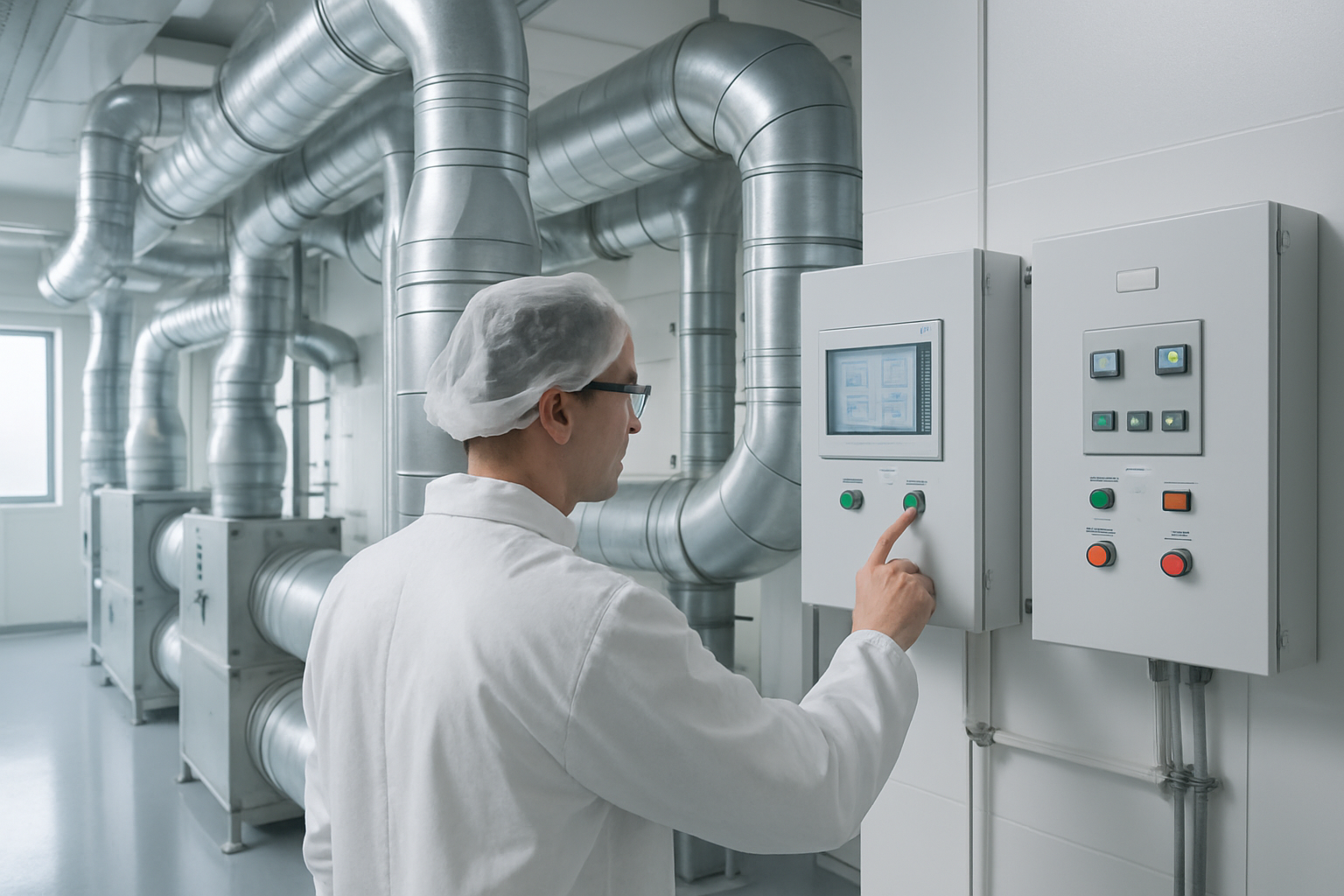
Not all areas within a facility require the same level of scrutiny during seasonal assessments. Attention should be directed toward GMP-critical zones where environmental conditions significantly affect product quality. Typical areas include:
- Aseptic manufacturing suites
- Cleanrooms and clean benches
- Preparation areas for sterile components
- Weighing and dispensing areas
Additionally, engineering teams should evaluate critical HVAC components, such as air handlers and humidity control systems, to prevent potential failures that could impact manufacturing.
Challenges During Summer Qualification
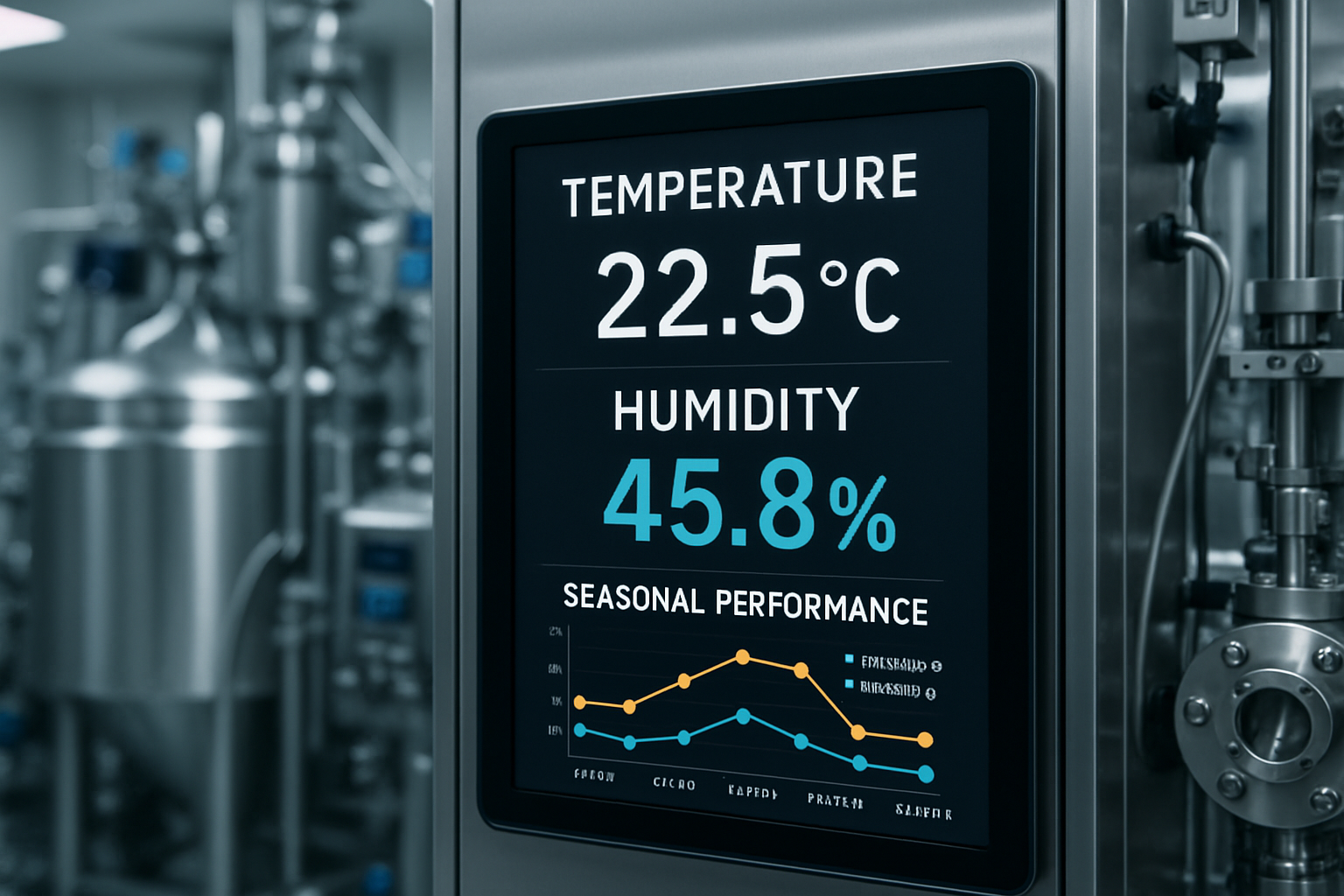
Summer poses unique challenges for HVAC systems, primarily due to elevated humidity levels. High outdoor humidity increases the load on dehumidification systems, while frequent door openings can introduce additional moisture. During summer qualification, it is essential to verify that the HVAC system can maintain appropriate temperature and humidity levels, manage delta pressure, and ensure effective airflow.
Winter Qualification and Its Risks
Winter presents its own set of challenges, particularly concerning low temperatures that can lead to operational difficulties. The heating system must maintain a comfortable environment without causing excessive dryness, which can adversely affect both products and personnel. Key considerations during winter qualification include:
- Temperature recovery
- Humidity stability
- Pressure cascade management
- Heating coil functionality
- Fresh air control
Acceptance criteria should remain consistent with the qualification protocol, regardless of external weather conditions.
Essential Elements of the Qualification Protocol
Loading flowchart…
A robust qualification protocol should clearly outline the rationale for seasonal testing and specify the evidence required to demonstrate successful qualification. Important components typically include:
- HVAC systems and qualified zones
- Testing seasons and environmental conditions
- Measuring instruments and sampling points
- Acceptance parameters and responsibilities
- Deviation management and reporting requirements
It is crucial to determine whether tests are conducted under operational, at-rest, or dynamic conditions, especially in sterilized environments where operational presence can affect airflow.
Documentation for Inspector Review
Seasonal qualification generates multiple documentation pieces, each of which is vital for demonstrating compliance. Key documents include:
- Approved qualification protocol
- Calibration certificates for measuring instruments
- Temperature and humidity mapping data
- Differential pressure records
- Airflow measurements
- HEPA integrity test results
- Environmental monitoring records
- BMS logs
- Alarm history
- Findings and CAPA documentation
- Final qualification report
Each finding in the qualification report should be traceable to supporting documentation to ensure completeness.
Addressing Seasonal Qualification Deviations
Not every seasonal deviation necessitates requalification of the HVAC system. For instance, a temporary excursion in humidity levels may warrant investigation to determine its cause and impact on GMP processes. Essential questions to consider include:
- What caused the excursion?
- Did it affect GMP processes and product quality?
- Is the validated state still acceptable?
Addressing these questions can provide a more rigorous impact assessment compared to simply noting the temporary nature of the excursion.
Checklist for Seasonal Testing Readiness
Prior to seasonal testing, the QA and engineering teams must confirm that the HVAC system is genuinely prepared for assessment. This preparation helps mitigate the risk of unsuccessful qualifications due to documentation issues or equipment readiness.
| Checkpoint | Verification |
| HVAC preventive maintenance | Completed and documented |
| HEPA filter integrity | Current qualification available |
| Differential pressure gauges | Calibrated |
| Temperature & RH sensors | Within calibration period |
| BMS alarms | Functional and verified |
| Airflow balancing reports | Current and approved |
| Qualification protocol | Approved before execution |
| Measuring instruments | Traceable calibration certificates |
| Cleanroom status | Qualified for testing conditions |
| Previous seasonal deviations | CAPA completed and reviewed |
Integrating Seasonal Qualification into Validation Practices
Seasonal qualification should not be treated as an isolated event. Successful programs integrate it into ongoing validation activities, such as periodic reviews, environmental monitoring, and preventive maintenance. For example, if summer qualifications reveal prolonged humidity recovery times, engineering should investigate potential issues with system performance.
Regulatory Considerations
According to EU GMP Annex 15, facilities must maintain a constant state of qualification throughout their lifecycle. The principles outlined in ICH Q9 (R1) support risk-based decisions regarding ongoing qualification and verification. HVAC systems must demonstrate consistent performance through adequate monitoring, maintenance, and timely performance reviews, rather than relying solely on initial qualification results.
Seasonal qualification is about ensuring that critical manufacturing environments remain controlled under extreme conditions. An effective program encompasses technical testing, thorough documentation, continuous monitoring, and a structured approach to addressing non-conformances. By combining these elements, organisations can substantiate their HVAC systems' ability to maintain GMP-compliant environments year-round.
Comments (0)
Loading comments…
Checking sign-in status…