
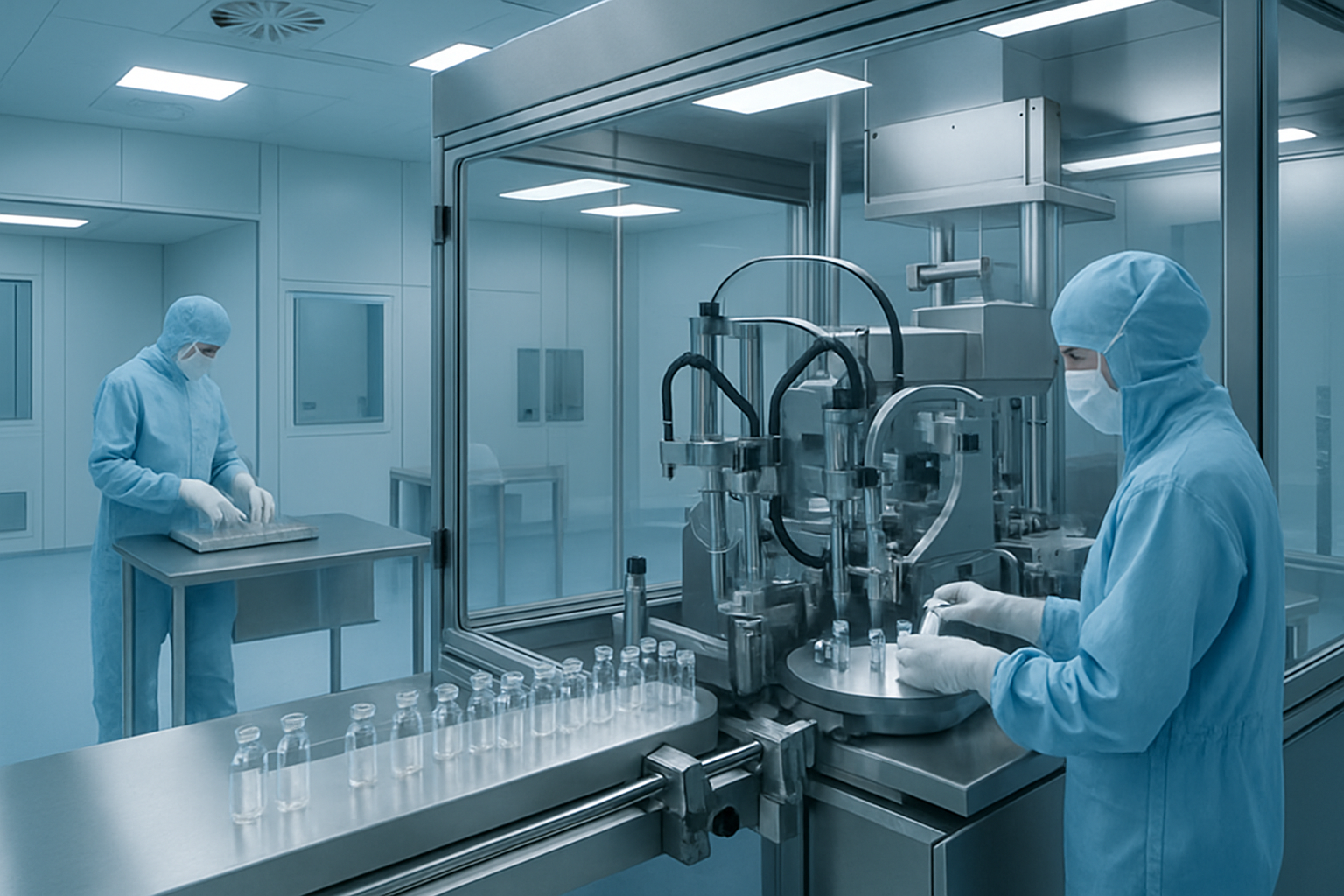
Aseptic production in pharmaceutical manufacturing is essential for maintaining sterility throughout the process, from preparation to filling. It involves strict control measures, including cleanroom design, personnel protocols, and environmental monitoring to prevent contamination.
Aseptic production is a critical process in pharmaceutical manufacturing, ensuring that products remain sterile from preparation to filling. Achieving this requires meticulous control of microorganisms and particulate contamination across every step, from component preparation to the filling and subsequent handling of containers. The complexity of maintaining a cleanroom environment is just one aspect of the comprehensive system needed to support aseptic processing, which encompasses facility design, personnel practices, equipment sterilization, and environmental monitoring.
Aseptic Manufacturing Defined
Aseptic manufacturing involves producing and filling sterile pharmaceutical products in controlled conditions designed to prevent contamination. Unlike terminal sterilization, which relies on validated processes for sterilizing sealed products after filling, aseptic processing focuses on maintaining a sterile environment throughout the production cycle. Common products produced through aseptic methods include:
- Parenteral injections
- Ophthalmic medications
- Sterile biological products
- Vaccines
- Sterile solutions
- Cell and gene therapy products
The integrity of the aseptic process is paramount, as once sterile components are exposed to non-sterile conditions, they cannot be re-sterilized.
Key Components of Aseptic Processing
It is essential to view aseptic manufacturing as an integrated series of processes rather than a standalone operation. The main elements that constitute an effective aseptic process include:
- Design of cleanrooms and facilities
- HVAC systems and airflow management
- Personnel gowning protocols
- Equipment sterilization practices
- Preparation of components
- Material transfer procedures
- Aseptic filling operations
- Environmental monitoring
- Cleaning and disinfecting protocols
- Container integrity assurance
- Process simulation
A single failure in any of these areas can compromise the entire sterilization effort.
Cleanroom and Facility Standards
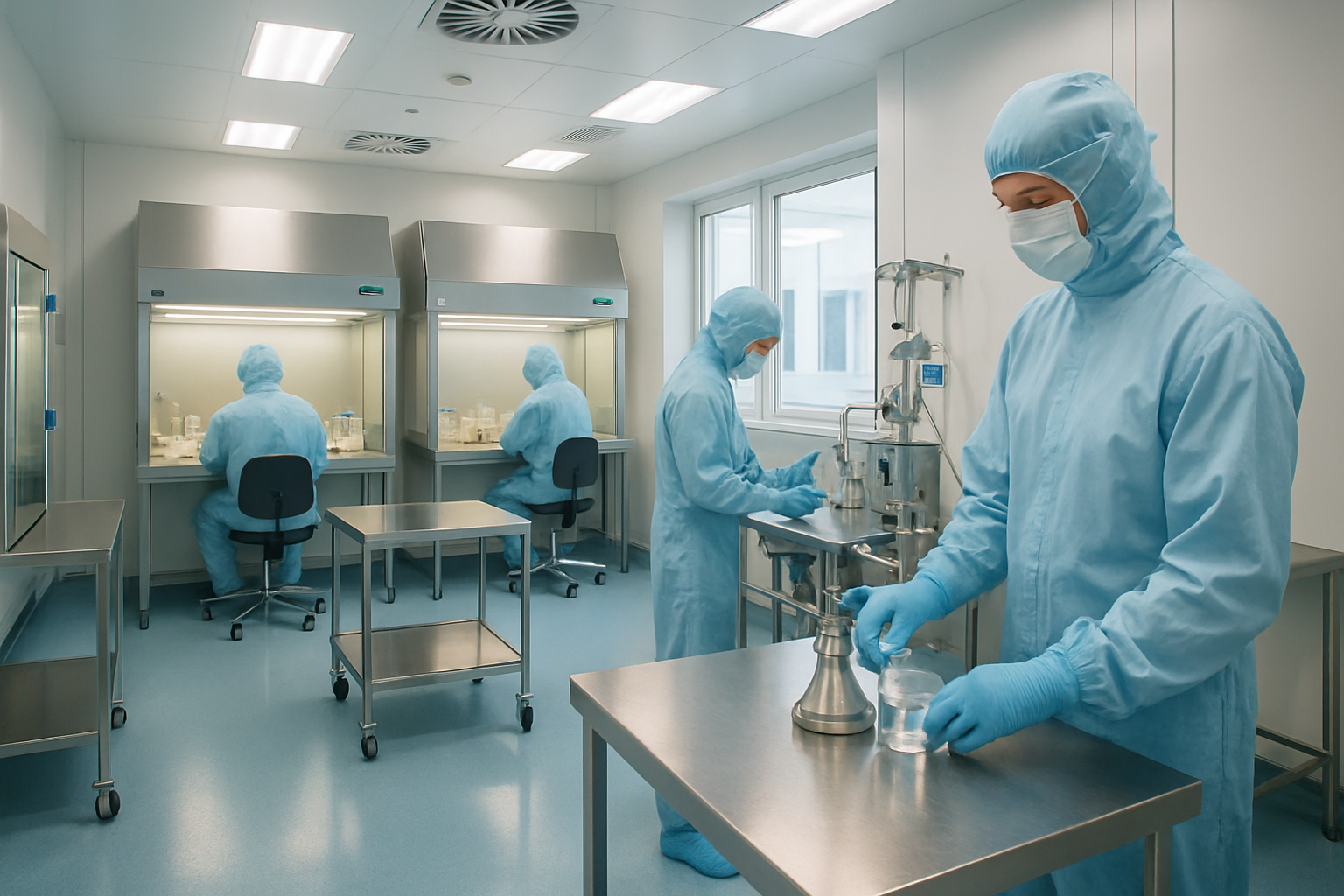
Aseptic processes must take place in cleanrooms that meet specific air cleanliness criteria. Higher-risk procedures, particularly those involving the filling of unprotected sterile products, require the most stringent conditions. According to EU GMP Annex 1, Grade A conditions are typically mandated for aseptic activities, supported by suitable external conditions based on technology and methods. The airflow design is critical; unidirectional airflow or other appropriately configured systems must protect sterile products and critical surfaces from contamination.
Qualification of cleanrooms involves assessing parameters such as:
- Airborne particle presence
- Airflow rates
- Pressure differentials
- Temperature and humidity levels
- HEPA filter integrity
This qualification process aims to confirm that the facility can maintain the required environment for aseptic production.
Personnel Practices and Training
Personnel are one of the most significant potential sources of contamination in aseptic manufacturing. Before entering any classified area, staff must adhere to an approved gowning protocol appropriate for the specific cleanroom class and operation. Typical gowning procedures include:
- Hand hygiene
- Head and beard covers
- Face masks
- Cleanroom suits
- Sterile gowns
- Sterile shoes
- Sterile gloves
However, simply donning the correct attire is insufficient. Personnel must be trained in aseptic techniques to minimize contamination risks related to unnecessary movement, talking, and improper handling of equipment. Comprehensive training and certification are essential before individuals can participate in aseptic operations.
Component Preparation and Sterilization
Proper preparation and sterilization of components are vital. All items that will come into contact with sterile materials must undergo appropriate sterilization. Depending on the type of material and sterilization method, common techniques include:
- Steam sterilization
- Dry heat sterilization
- Radiation sterilization
- Gas sterilization
- Filtration for liquid sterilization
Each chosen method must be validated to confirm effective sterilization without adversely affecting the components.
Controlled Material Transfer
Maintaining sterility during the transfer of containers, closures, filling machinery, tubing, and other components is essential. The potential for contamination during material transfer into sterile areas necessitates the development of specific techniques, such as:
- Pass-through chambers
- Airlocks
- Validated disinfection methods
- Decontamination processes
- Double-door sterilization systems
These methods help prevent the transfer of contaminants from less sterile to more sterile areas, with particular attention to the outer surfaces of containers, which may be contaminated despite the inner contents being sterile.
The Aseptic Filling Procedure
Loading flowchart…
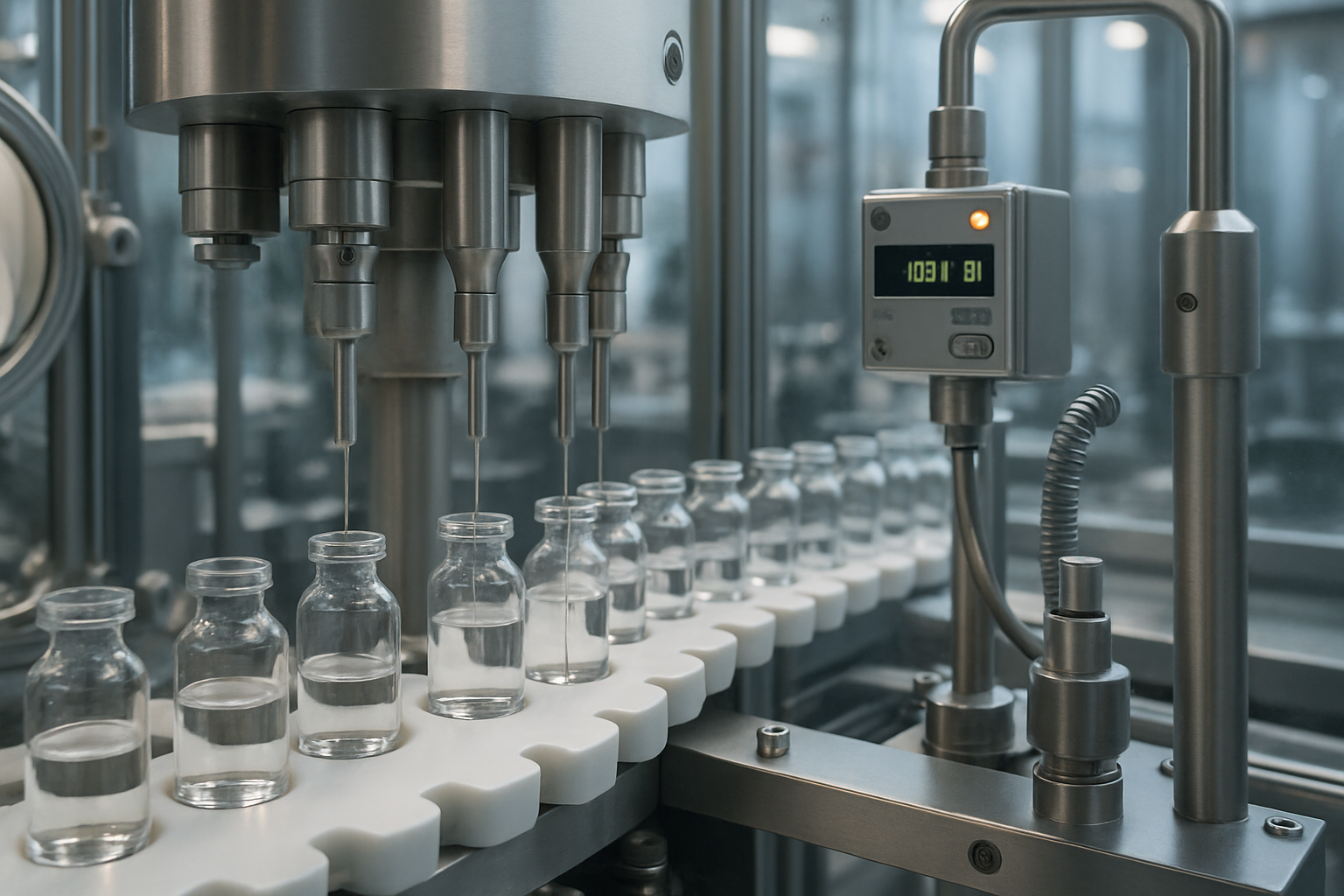
The aseptic filling process is a critical operation that integrates sterile products, packaging, sealing, filling apparatus, and the surrounding environment. This generally involves:
- Preparing the sterilized bulk solution
- Sterilizing or filtering the product
- Transferring the product to the filling equipment
- Preparing sterilized packaging and seals
- Executing the aseptic filling
- Completing the final sealing of packages
- Inspecting the packages for integrity and further treatment
The filling procedure should aim to minimize human intervention and safeguard exposed products and critical areas. When feasible, barrier technologies like Restricted Access Barrier Systems (RABS) and isolators should be employed to reduce human impact on sensitive locations.
Environmental Surveillance
Robust environmental monitoring is necessary to verify that aseptic conditions are upheld. Monitoring programs should encompass:
- Non-viable airborne particles
- Viable airborne microorganisms
- Surface contamination levels
- Personnel contamination
- Pressure differentials
- Temperature and humidity
The selection of monitoring points and frequency should stem from risk assessments and contamination control strategies. Data should be analysed as trends rather than pass/fail outcomes.
Simulating Aseptic Processes
Process simulation, often referred to as Media Fill, plays a crucial role in validating aseptic processes. Instead of using pharmaceutical fluids, a suitable sterile microbiological medium is employed to mimic the aseptic production conditions. The simulation should reflect all potential scenarios encountered during real product manufacturing, including:
- Operator interventions
- Adjustments to equipment
- Line vacuuming
- Shift changes
- Personnel numbers
- Container influences
The objective is to demonstrate that the aseptic process can yield a product free from microbial contamination under operational conditions.
Strategies for Contamination Prevention
A well-defined Contamination Control Strategy (CCS) is essential for managing aseptic production. Key components of this strategy should include:
- Facility design
- Staff regulations
- Disinfection and cleaning protocols
- Decontamination of equipment
- Material transfer controls
- Environmental monitoring
- Process design
- Utility provisions
- Supplier controls
- Aseptic production interventions
This plan should be regularly reviewed and updated based on monitoring findings, environmental trends, and any operational changes.
Identifying Aseptic Manufacturing Vulnerabilities
Several factors can undermine the efficiency of aseptic production, including:
- Unjustified manual actions
- Poor gowning practices
- Inadequate disinfection methods
- Weak monitoring frameworks
- Poorly designed material transfer processes
- Untrained personnel
- Lack of airflow studies
- Neglecting contamination trends
- Inadequate sterilization monitoring
Such weaknesses often become apparent when monitoring outcomes begin to decline. Aseptic manufacturing encompasses more than cleanroom operations; it represents a holistic contamination control system that integrates facility design, equipment decontamination, personnel practices, material movement, environmental monitoring, and process controls. The most effective aseptic processes focus on preventing contamination rather than relying solely on end-product testing.
Utilizing modern barrier technologies, automation, rigorous environmental monitoring, and sound contamination control principles can enhance safety and mitigate risks associated with human intervention. Ultimately, the aim is to protect the sterile product from contamination at every possible entry point.
Comments (0)
Loading comments…
Checking sign-in status…