
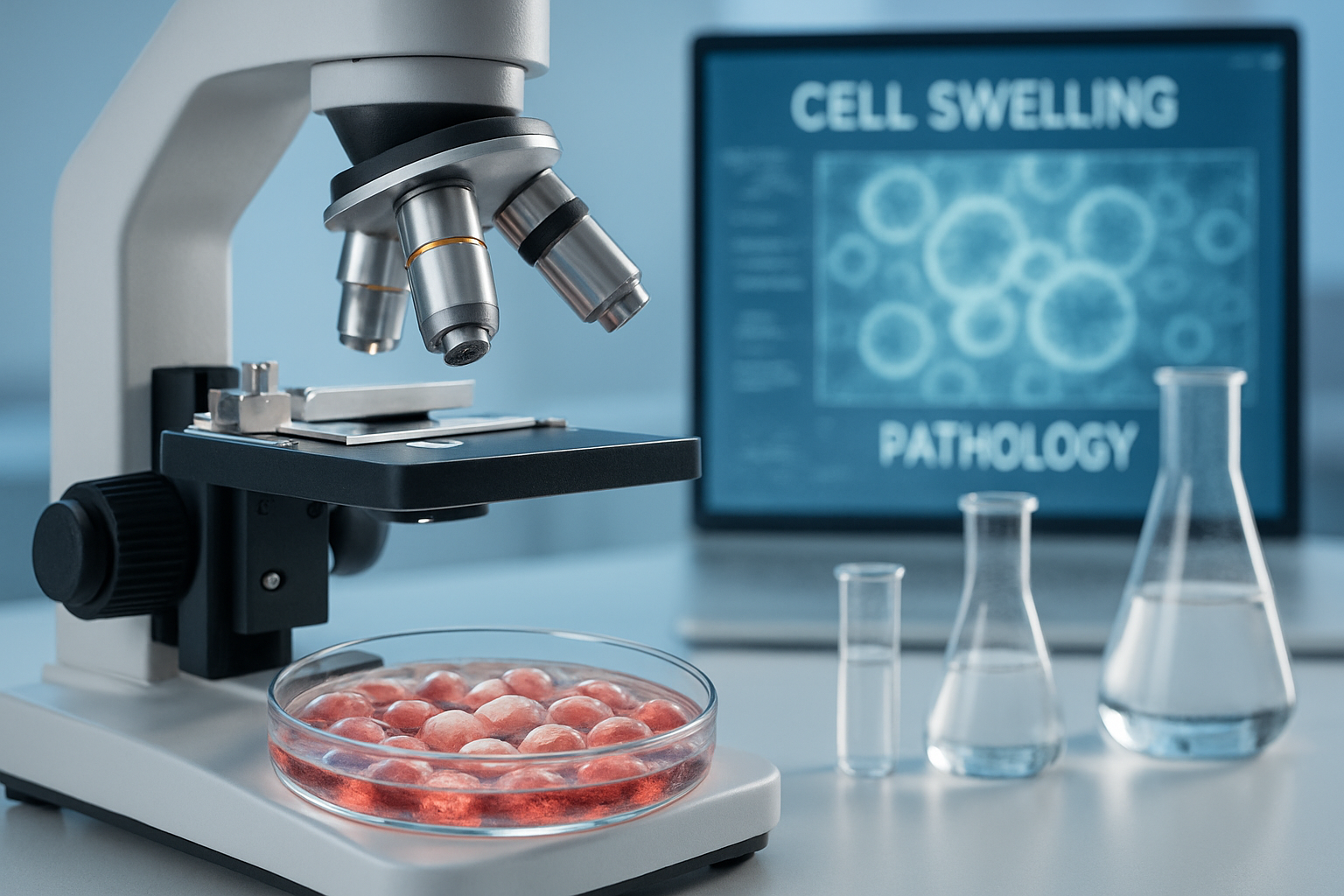
Cell swelling, accumulation of substances, and calcification are key concepts in cellular pathology that affect cellular function and health. These processes can lead to significant cellular injury and impact organ function.
Cellular changes such as swelling, accumulation of substances, and calcification are critical concepts in understanding cellular pathology. These processes can significantly impact cellular function and overall health.
Cellular Swelling
Cell swelling, often referred to as hydropic change, is characterised by excessive water accumulation in the cytoplasm of affected cells. This condition can have significant implications for organ function, as the appearance of swollen cells contributes to the overall gross morphology of the organ.
Causes of Cellular Swelling
Various factors can lead to cellular swelling, making it one of the most common and earliest forms of cellular injury. Some of these factors include:
- High fever
- Burn injuries
- Administration of hypertonic solutions, such as glucose or saline
- Bacterial toxins
- Chemical agents
A notable cause of acute cellular swelling is the depletion of adenosine triphosphate (ATP), which is critical for energy-dependent processes that maintain cellular homeostasis.
Mechanisms Behind Swelling
In healthy cells, the regulation of sodium and potassium ions at the cell membrane is crucial to prevent swelling. Disruption of this balance can lead to sodium influx and potassium efflux, resulting in osmotic changes that drive water into the cell. Additionally, calcium may also enter the cell, exacerbating the swelling response.
Characteristics of Swollen Cells
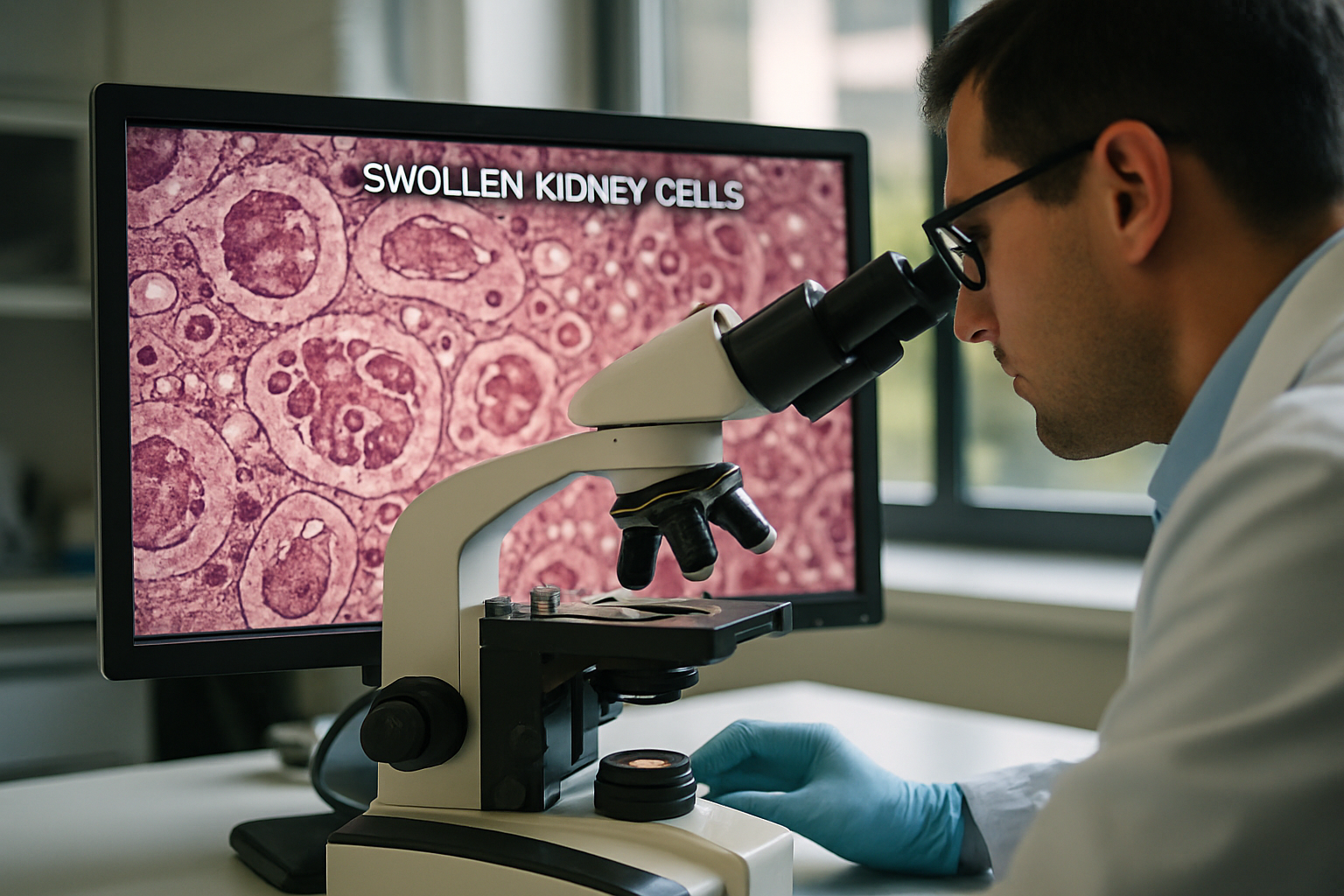
Swollen cells can be observed in various organs such as the kidneys, liver, pancreas, and heart. In the kidneys, for example, vacuolar degeneration can occur, leading to:
- Swelling of tubular epithelial cells, which contain small clear vacuoles
- Distension of the endoplasmic reticulum within these vacuoles
- Possible formation of cytoplasmic blebs
- Pale appearance of the nucleus
In interstitial areas, swollen tubular cells may compress nearby microvasculature.
Overview: intra-cellular Accumulation
Intra-cellular accumulation refers to the abnormal build-up of substances within cells, which can lead to either temporary or permanent cellular damage. This process can occur in various cellular compartments, including phagolysosomes and nuclei.
Types of Accumulated Substances
Accumulation can be categorised based on normal cell metabolism products or abnormal substances:
- Normal metabolic components: proteins, carbohydrates, fats
- Substances accumulated due to metabolic disorders, such as:
- Inborn errors of metabolism
- Storage diseases
- Exogenous pigments
- Endogenous pigments
Mechanisms of Accumulation
Accumulation may occur due to several mechanisms:
- Overproduction: Normal substances may accumulate if their production rate exceeds the breakdown capacity, such as fatty changes in the liver.
- Inadequate degradation: Exogenous substances can accumulate if enzymes required for their breakdown are deficient, as seen with carbon and silica.
- Metabolic blockade: Endogenous substances may build up if metabolic pathways are obstructed, preventing proper catabolism.
Steps of Accumulation
- The substance is produced at a normal or elevated rate, but metabolism cannot eliminate it quickly enough.
- For example, reabsorption of protein droplets may occur in the kidneys in cases of fatty liver.
- Accumulation of abnormal endogenous substances can result from gene mutations affecting protein folding or transport.
- Inherited defects in enzymes may lead to the accumulation of substances, such as in glycogen and lipid storage diseases.
- Failure to degrade and transport abnormal exogenous substances can lead to conditions like silicosis and anthrax.
Overview: calcification
Calcification is defined as the abnormal deposition of calcium in tissues, blood vessels, or organs, which can disrupt normal physiological functions. Calcium, while essential for various bodily functions, can accumulate where it is not typically found, potentially leading to health issues.
Types of Calcification
Calcification can occur in multiple body areas, including:
- Heart valves
- Bladder, kidneys, and gallbladder
- Brain (referred to as brain calcification)
- Joints and tendons, such as the knees and rotator cuffs
- Soft tissues, including adipose tissue, breasts, and muscles
While not all calcifications are harmful, they can arise from inflammation, injury, or other biological processes. However, excessive calcification in organs can impair their function.
Factors Leading to Calcification
Several factors contribute to the development of calcification, including:
- Chronic inflammation
- Infections
- Hypercalcemia, which may arise from disorders of calcium metabolism
- Genetic or autoimmune skeletal and connective tissue diseases
- High-calcium diets, although the link between dietary calcium and calcification remains inconclusive
Conditions like kidney stones, which primarily consist of calcium oxalate, illustrate how calcium can accumulate inappropriately despite its presence in many diets.
[[TABLE_1]]
Comments (0)
Loading comments…
Checking sign-in status…