Chemical Properties and Applications of Organic Acids
Organic acids are crucial in pharmaceuticals, food production, and cleaning. Their chemical structures and applications vary widely, impacting quality assurance in the industry.


Organic acids are crucial in pharmaceuticals, food production, and cleaning. Their chemical structures and applications vary widely, impacting quality assurance in the industry.
Ethyl chloride, chloroform, trichloroethylene, and tetrachloroethylene are important chemicals with distinct properties and applications in medical, industrial, and research contexts. Each compound serves various roles, from anesthetics to solvents and degreasers.
The adrenal gland and pancreas are key components of the endocrine system, each with distinct anatomical structures and hormonal functions. The article discusses their roles, common disorders, and associated health issues.
Elimination reactions in organic chemistry convert saturated compounds to unsaturated ones by removing atoms or groups. The two main mechanisms, E1 and E2, differ in their steps and reaction rates, influenced by substrate and base concentrations.
Cleaning validation recovery studies assess the effectiveness of sampling techniques for collecting residues from equipment surfaces in pharmaceuticals. These studies ensure that analytical data accurately reflects residual levels after cleaning, which is vital for regulatory compliance.
The pineal gland regulates circadian rhythms and melatonin production, while the thymus is essential for T cell development and immune response. Both glands can be affected by various disorders impacting their functions.
The article provides an overview of the pituitary, thyroid, and parathyroid glands, detailing their structures, functions, and common disorders. Understanding these glands is crucial for identifying endocrine-related health issues.
The salivary glands, pancreas, and liver are essential for digestion and health. Each organ has distinct structures and functions that support various bodily processes.
The urinary system filters blood and eliminates waste through components like the kidneys, ureters, bladder, and urethra. Each part plays a vital role in waste elimination and fluid regulation, with the kidneys performing critical functions such as detoxification and blood pressure control.
Energy-rich compounds are vital for cellular processes, primarily serving as fuel for metabolic reactions. The article categorizes these compounds, focusing on ATP and cAMP, and discusses their significance in energy transfer and cellular signaling.
Gluconeogenesis is a metabolic pathway that synthesizes glucose from non-carbohydrate sources, primarily in the liver. It plays a vital role in maintaining glucose levels during fasting, exercise, and in diabetes.
Glycolysis is the initial step in cellular respiration, breaking down glucose into pyruvate to generate ATP and NADH, crucial for energy production in various organisms. It operates in the cytosol without oxygen, highlighting its evolutionary importance and versatility in metabolism.
Understanding the half-lives of radiopharmaceuticals is crucial for their effective use and management. Both physical and biological half-lives inform shelf-life, dosing, and patient safety in medical applications.
Clean Hold Time Studies assess how long cleaned equipment can remain unused while maintaining cleanliness, crucial for product safety and compliance. The study distinguishes between clean and dirty hold times and involves structured risk assessments, sampling, and validation to ensure equipment remains suitable for use.
Inductive effects influence the acidity and reactivity of organic compounds, particularly carboxylic acids, amides, and esters. The article details qualitative tests for identifying these functional groups, including specific reactions and procedures for each type.
Understanding lung volumes and capacities is essential for assessing respiratory health and diagnosing conditions. Key measurements include tidal volume, inspiratory reserve volume, and total lung capacity, all of which are influenced by various factors.
Nerve impulses enable rapid communication in the nervous system, generated by ion movements across membranes. The article discusses the roles of receptors, synapses, and neurotransmitters in cellular signaling and communication.
Benzaldehyde, vanillin, and cinnamaldehyde are key aromatic compounds used in food, pharmaceuticals, and cosmetics. Their structures, applications, and qualitative testing methods, particularly Schiff's test, are vital for quality assurance in manufacturing.
Radiopharmaceuticals are radioactive compounds used in medical diagnostics and therapy, categorized into four main types. Understanding radioactivity, its measurement, and the characteristics of different radiation types is essential for their effective use.

Free energy, enthalpy, and entropy are key thermodynamic properties that influence chemical processes in pharmaceutical manufacturing and quality control. Understanding their relationships helps predict reaction spontaneity and feasibility.

The article discusses sp3 hybridization in alkanes, explaining how carbon forms four equivalent bonds, and outlines the halogenation process where hydrogen is replaced by halogens. It also highlights the applications of paraffins in fuels and various industries.
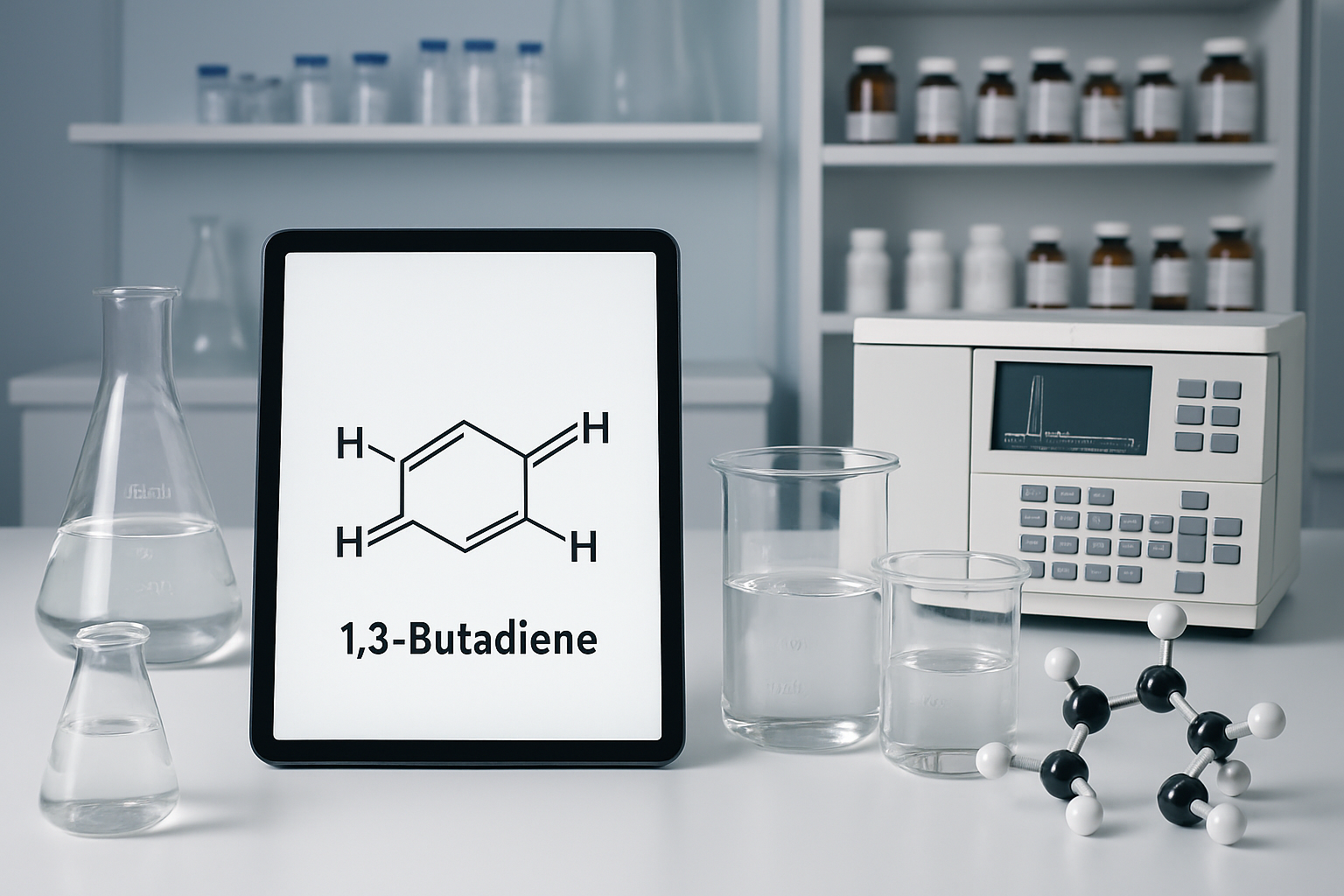
Conjugated dienes, with alternating double and single bonds, exhibit enhanced stability due to charge delocalization and resonance. Their stability is crucial for reactions like the Diels-Alder and electrophilic addition, which are significant in synthetic organic chemistry.
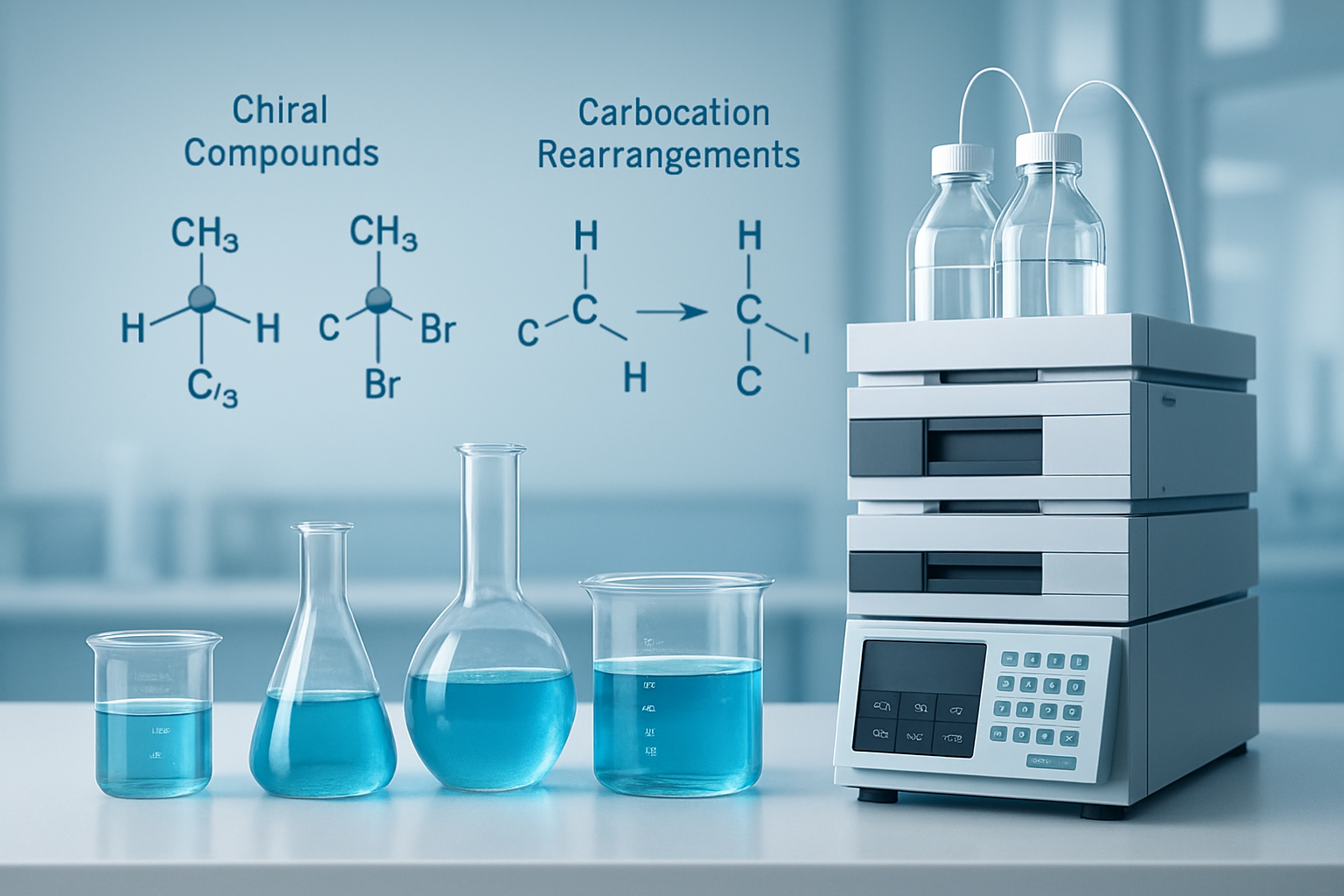
Stereochemistry focuses on the spatial arrangement of atoms in molecules, influencing their behavior and properties. Carbocation rearrangements, including hydride and alkyl shifts, are key mechanisms that enhance stability in organic reactions.

Acceptance criteria for cleaning validation in pharmaceuticals define allowable residue levels on equipment post-cleaning. Establishing these criteria involves scientific assessments of risks, residue calculations, and validation of analytical methods to ensure effective contamination control.

The article discusses the chemical properties and applications of dichloromethane, tetrachloromethane, and iodoform, highlighting their roles in various industries, including pharmaceuticals and manufacturing. It details their structures, uses, and safety considerations.

Kidney failure can occur acutely or chronically, each presenting unique challenges for diagnosis and management. Acute kidney failure develops rapidly and may be reversible, while chronic kidney failure progresses gradually, leading to significant health complications.

Benzene is a colorless, carcinogenic hydrocarbon with a unique cyclic structure and significant industrial applications, particularly in producing polystyrene and various chemicals. Its stability and reactivity are defined by its aromatic nature, leading to distinct chemical behaviors.

Dirty hold time studies assess the maximum duration manufacturing equipment can remain uncleaned, evaluating residue removability and associated risks. These studies require careful methodology, sampling, and analysis to ensure effective cleaning validation in pharmaceutical production.

The review of validation data is essential in pharmaceutical quality assurance, ensuring studies align with protocols and generate valid results. QA must assess deviations, trace results to primary data, and confirm data integrity while addressing any issues or unexpected findings.

Aquatic ecosystems, including freshwater and marine environments, support diverse organisms and are vital for ecological health. Freshwater habitats like lakes and rivers differ from marine ecosystems such as oceans and estuaries, each hosting unique communities and interactions.

Barcode technology enhances inventory management and drug dispensing in pharmacies by enabling accurate tracking and reducing manual entry errors. Automated dispensing systems further streamline operations and improve patient safety by minimizing medication errors and securing controlled substances.

Cellular health is vital in pharmacology, influencing drug efficacy and safety. The article discusses causes of cell injury, mechanisms involved, and how cells adapt to stress through various changes in morphology and function.

Wound healing involves distinct phases: hemostasis, inflammation, proliferation, and remodeling, each crucial for tissue repair. Atherosclerosis develops through stages of fatty streaks, fibrous plaques, and complicated lesions, driven by chronic inflammation and plaque accumulation.

Binary operations, including addition, subtraction, multiplication, and division, are fundamental for data processing in computing. Understanding these operations is crucial for anyone in computer science and electronics.

Understanding number systems like binary, decimal, octal, and hexadecimal is crucial in computing. Each system has unique characteristics and applications in programming and data representation.

Cholesterol is essential for cell membrane structure, bile acid synthesis, and steroid hormone production, playing a complex role in health and disease. Its biosynthesis involves multiple metabolic pathways, and its conversion to bile acids aids in fat digestion and cholesterol regulation.
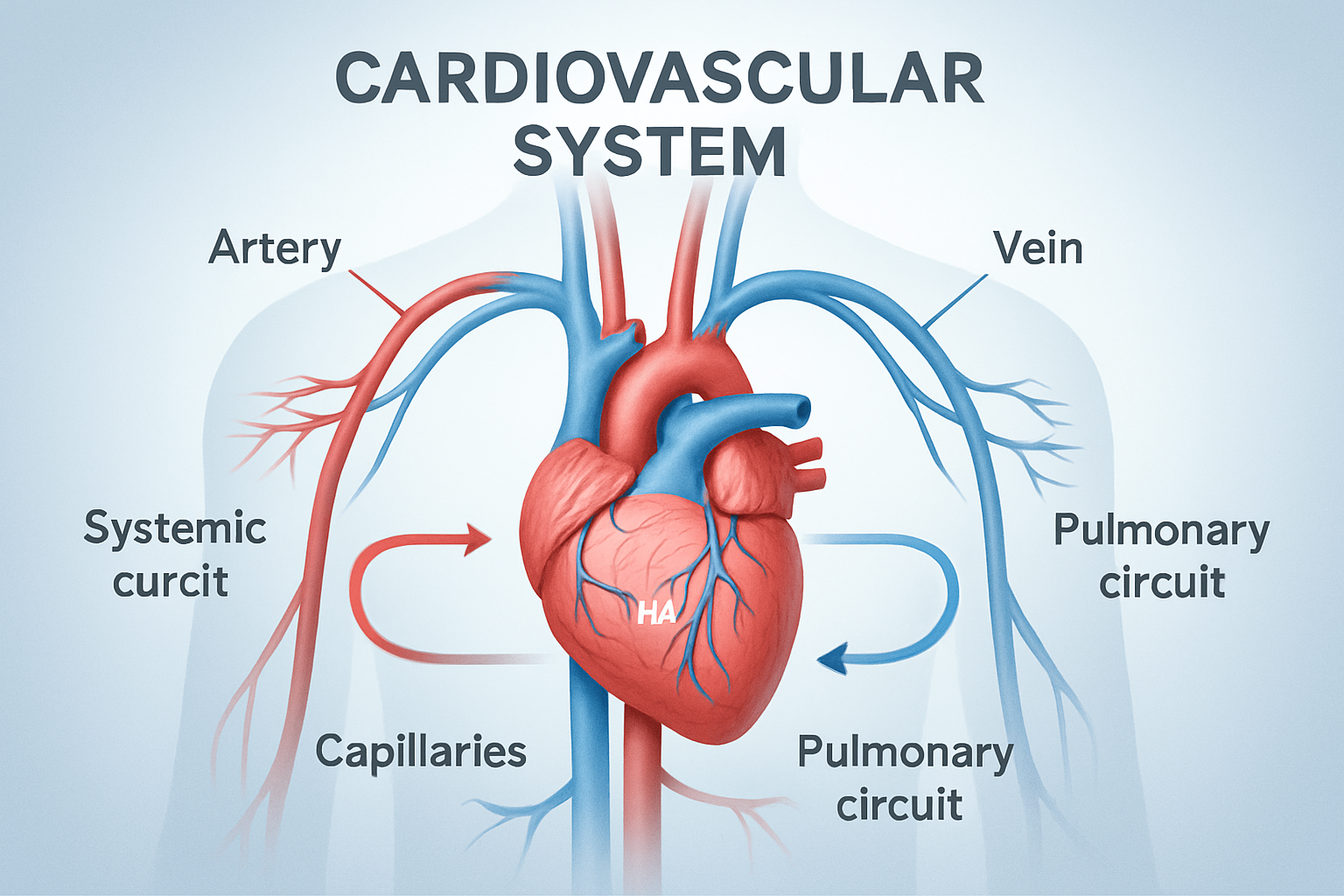
The cardiovascular system includes the heart, blood vessels, and circulation, playing a vital role in delivering oxygen and nutrients. Disruptions can lead to serious health issues, making understanding its anatomy and function essential for maintaining overall health.

Heme catabolism is vital for blood health and liver function, influencing conditions like hyperbilirubinemia and jaundice. The liver processes bilirubin, and elevated levels can lead to jaundice, particularly in newborns.

Validation deviations are non-conformances during validation processes that can impact product integrity and regulatory compliance. They are categorized into critical, major, and minor deviations, each requiring specific containment measures and thorough investigations to assess their impact and implement corrective actions.

Phenylalanine and tyrosine are crucial amino acids involved in various metabolic processes. Their catabolism is linked to several disorders, including phenylketonuria, albinism, alkaptonuria, and tyrosinemia, each with distinct causes and health implications.

Purine metabolism is crucial for uric acid production, impacting conditions like hyperuricemia and gout. Elevated uric acid can lead to joint pain and inflammation, often triggered by dietary factors.

Cellular injury arises from various causes, including oxygen deprivation, physical trauma, chemical exposure, and genetic abnormalities. Understanding these factors and their mechanisms is essential for addressing disease processes and therapeutic responses.

Cell swelling, accumulation of substances, and calcification are key concepts in cellular pathology that affect cellular function and health. These processes can lead to significant cellular injury and impact organ function.
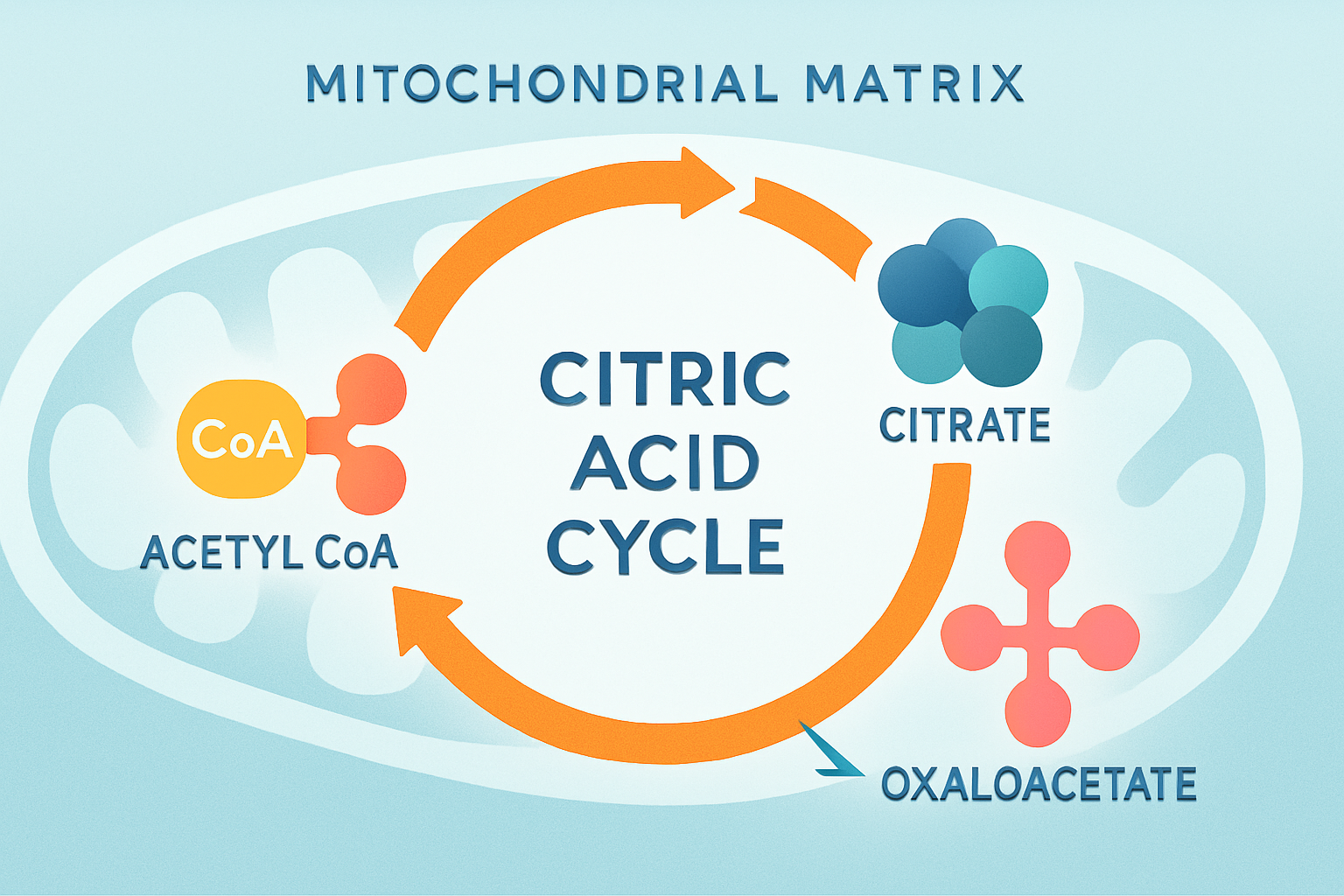
The citric acid cycle, or Krebs cycle, is vital for energy production and metabolic pathways, converting acetyl CoA into energy-rich molecules and intermediates for various biosynthetic processes. It occurs in the mitochondrial matrix and involves a series of enzymatic reactions that regenerate oxaloacetate.

Coenzymes are essential organic molecules that assist enzymes in biochemical reactions, derived mainly from vitamins. They facilitate substrate binding and are crucial for metabolic pathways, highlighting the importance of vitamins and minerals in supporting these processes.

The integration of computer systems in preclinical pharmaceutical development enhances data management and analysis, crucial for meeting regulatory requirements. Key systems like TIMS, CDS, and LIMS play vital roles in ensuring data integrity and efficiency throughout the drug development process.

Bioinformatics combines biology and computer science to analyze biological data, playing a crucial role in vaccine development, particularly during the COVID-19 pandemic. It aids in identifying drug candidates by analyzing viral genetic information and predicting effective treatments.

Understanding number system conversions between decimal, binary, and octal is essential for data representation in computing. The article details methods for converting between these systems, including recursive division for decimal to binary and positional notation for binary to decimal.

Validation in the pharmaceutical industry requires collaboration among Quality Assurance, Quality Control, Production, and Engineering, each with distinct roles. Clear definitions of responsibilities and effective communication are essential to ensure compliance and quality throughout the validation process.

Data integrity in the pharmaceutical sector is crucial for patient safety and regulatory compliance. The article discusses current challenges, consequences of breaches, and strategies for maintaining data integrity, emphasizing the importance of employee training and system validation.

The de novo synthesis of fatty acids, especially palmitic acid, involves acetyl-CoA and malonyl CoA, occurring mainly in adipose tissue, liver, and kidneys. The process includes stages of production, conversion, and reactions by the fatty acid synthase complex.

Diabetes, thyroid disorders, and hormonal imbalances significantly impact health and require understanding for effective management. The article outlines the types, symptoms, and causes of these conditions.

Manufacturing decisions in pharmaceuticals directly affect patient care, with disruptions potentially leading to medication shortages and treatment adjustments. Strategic partnerships and robust supply chains are essential for maintaining consistent access to medications, especially for patients with chronic conditions.

Validation reports in pharmaceutical manufacturing are critical for confirming the integrity of validation studies. A thorough review ensures adherence to protocols, accurate documentation, and proper evaluation of deviations and results.

Diagnostic systems in healthcare are essential for identifying issues, monitoring patient conditions, and managing pharmacy operations. They enhance patient care and streamline processes, with various types including laboratory, patient monitoring, and pharmacy information systems.

Natural resources are essential for human existence, economic growth, and environmental sustainability. Their effective management is crucial for balancing development and conservation.

Bone and joint disorders, including arthritis, osteoporosis, and gout, can significantly affect physical well-being and quality of life. Understanding their symptoms and causes is crucial for effective management and treatment.

DNA replication is a critical process for cell division, ensuring each daughter cell receives an accurate copy of the genome. The semi-conservative mechanism involves key enzymes that facilitate the unwinding, synthesis, and sealing of DNA strands, maintaining genetic integrity.

Effective management of drug information is vital in the pharmaceutical industry for compliance and quality. Various data storage and retrieval systems, including document, database, and reference-retrieval systems, enhance access to critical information.
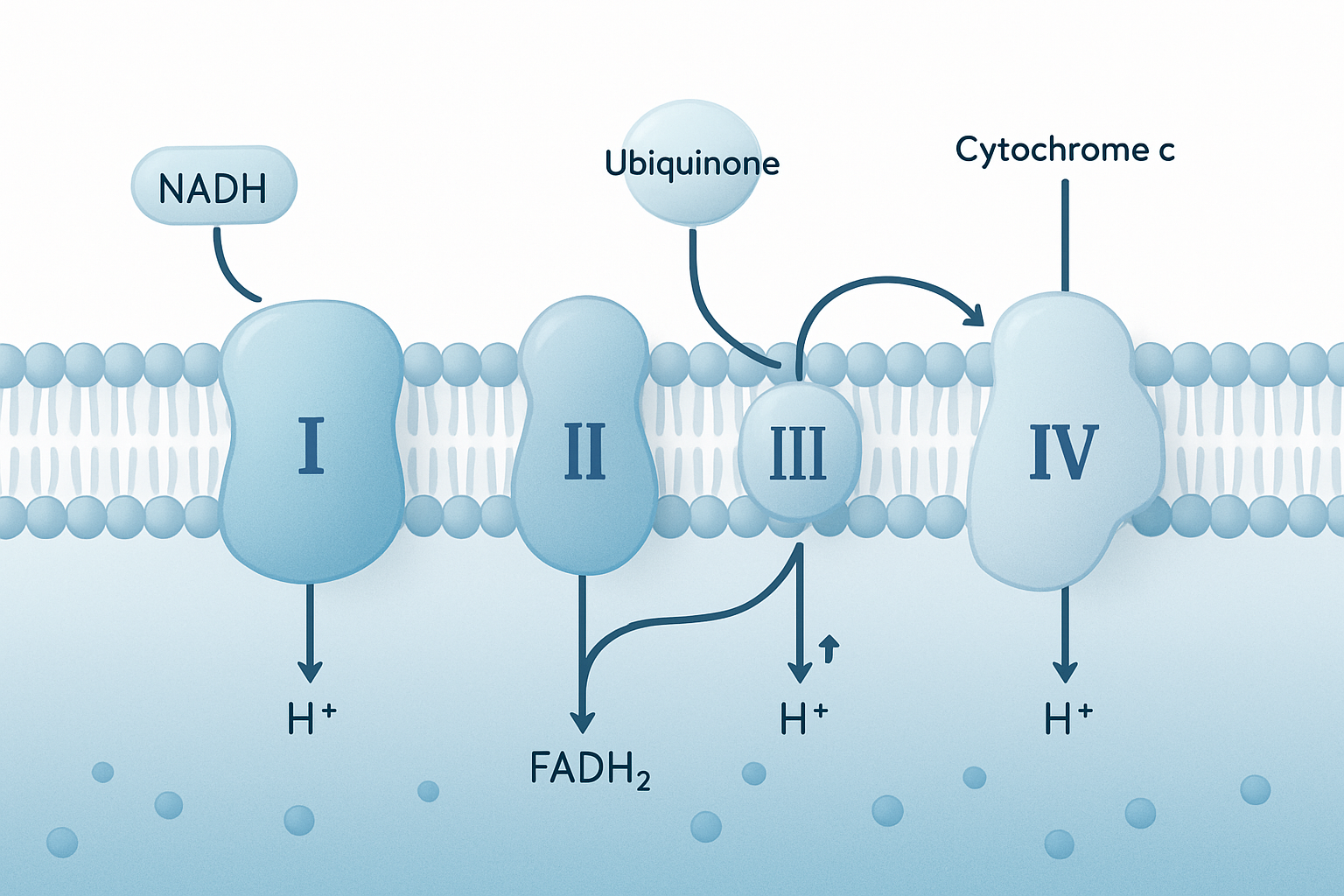
The electron transport chain (ETC) is vital for ATP production during cellular respiration, primarily through redox reactions and proton gradients. It consists of four protein complexes that facilitate electron transfer and culminate in the reduction of oxygen to water, significantly contributing to ATP synthesis.
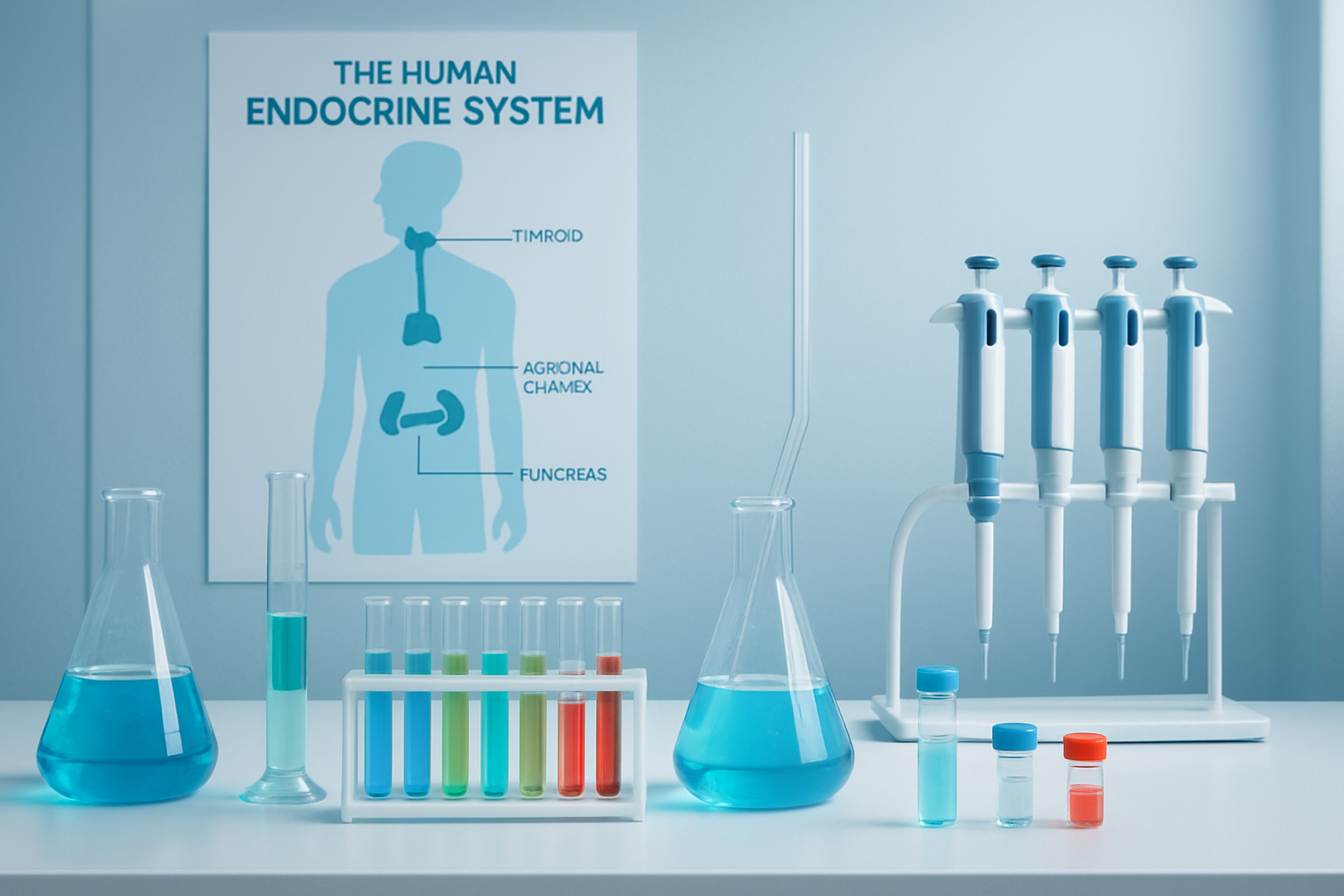
The endocrine system maintains homeostasis through glands that secrete hormones, regulating mood, growth, metabolism, and reproduction. Disruptions in hormone production can lead to significant health issues.

Pollution significantly affects air, water, and soil, with harmful substances from human activities exceeding natural levels. Understanding pollution sources is essential for effective management and mitigation strategies.

Enzyme kinetics examines the rates of enzymatic reactions and factors affecting them, crucial for predicting enzyme behavior and inhibition. The article discusses enzyme structure, models of substrate interaction, and various inhibition mechanisms, including competitive and non-competitive inhibition.

A well-defined validation strategy in pharmaceutical production ensures that equipment, processes, and cleaning methods are suitable and controlled throughout their lifecycle. It requires integrating product knowledge with risk management principles and ongoing monitoring to maintain validation status.

Enzyme leakage, acidosis, alkalosis, and electrolyte imbalances significantly affect cellular health and physiological function. Understanding these conditions is essential for effective management and treatment in clinical settings.

Understanding forest, grassland, and desert ecosystems reveals their unique characteristics and interactions among organisms and their environments, highlighting the importance of biodiversity. Each ecosystem plays a crucial role in the Earth's biosphere, influenced by both biotic and abiotic components.

Ketone bodies are produced by the liver during fasting as an alternative energy source when glucose is low. Excessive accumulation can lead to ketoacidosis, particularly in individuals with diabetes, necessitating prompt recognition and management of symptoms.
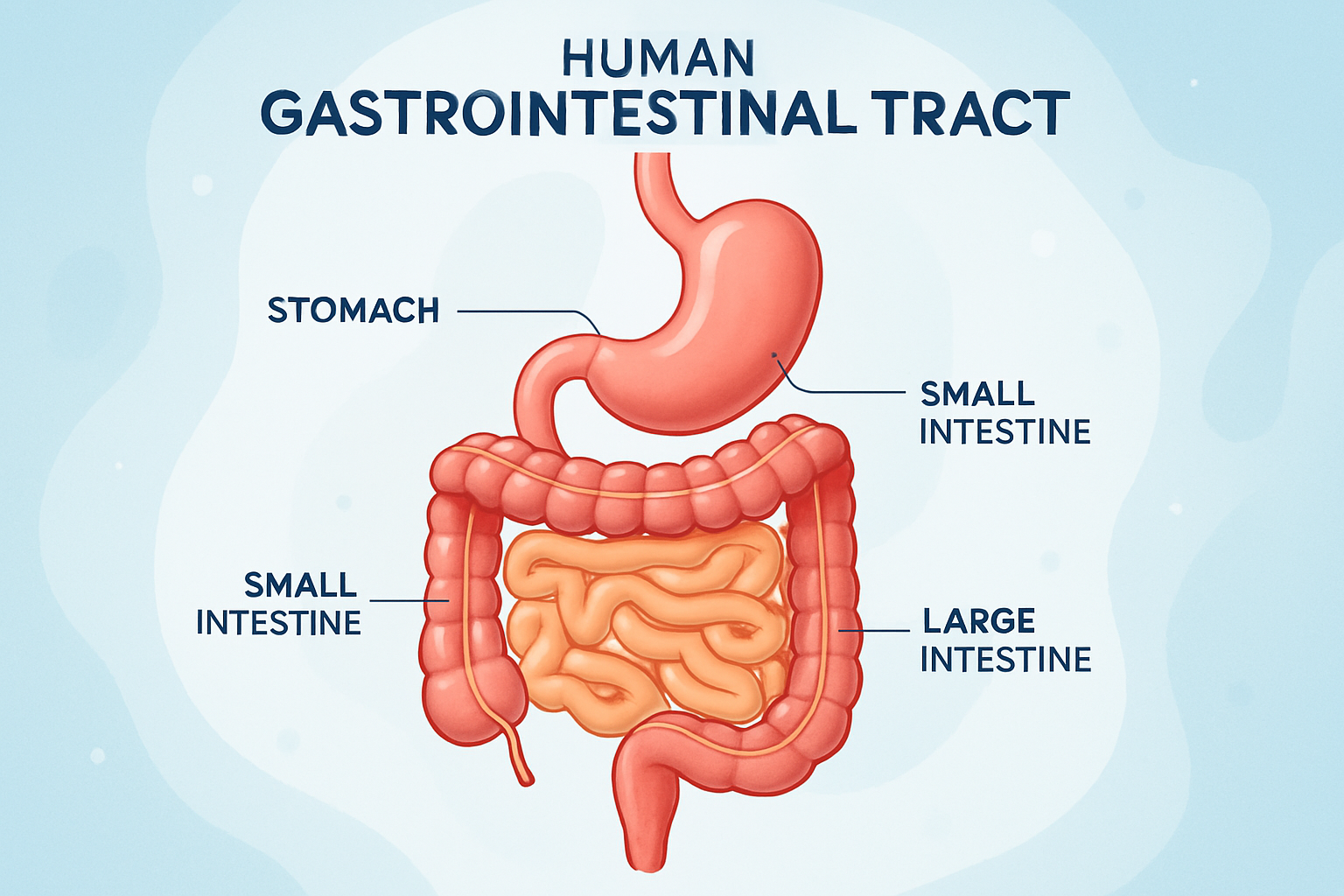
The gastrointestinal tract is essential for digestion, involving various organs that process food into nutrients. Peptic ulcers, which can cause abdominal pain, develop in the stomach or small intestine due to factors like Helicobacter pylori infection and NSAID use.

Amino acid metabolism involves transamination, deamination, and decarboxylation, each crucial for regulating and disposing of amino acids in the body. Key enzymes and coenzymes, such as PLP, facilitate these biochemical processes.

Protein synthesis translates genetic information into proteins through a process involving mRNA, ribosomes, and tRNAs. The article details the genetic code, translation phases, and various inhibitors that can disrupt this process.

Hematological disorders affect blood components and can lead to significant health issues, especially in children. This article discusses iron deficiency anemia, megaloblastic anemia, and sickle cell disease, highlighting their symptoms, causes, and management challenges.

The HMP shunt, or pentose phosphate pathway, is vital for cellular metabolism, producing NADPH and ribose-5-phosphate. G6PD deficiency can lead to hemolytic anemia and symptoms like jaundice and fatigue.

Stable blood glucose levels are essential for health, especially in diabetes management. The pancreas regulates glucose through hormones like insulin and glucagon, which work together to maintain balance.

Hospital and clinical pharmacy is essential for patient care, focusing on effective medication management to enhance outcomes. The integration of electronic prescribing and discharge systems improves efficiency and safety in medication processes.

Cholesterol levels, arterial health, liver conditions, and obesity are interconnected, influencing each other and leading to complex health challenges. Elevated cholesterol can cause atherosclerosis, while obesity increases the risk of various diseases, including liver complications.

Infectious diseases arise from various pathogens and can spread through contact, contaminated food, or environmental factors. Key diseases discussed include meningitis, typhoid fever, and leprosy, each with distinct symptoms and transmission methods.

Inflammatory bowel diseases (IBD) and liver conditions like jaundice and hepatitis significantly impact the gastrointestinal system. Understanding their symptoms and causes is essential for diagnosis and management.

Effective information gathering in cybersecurity is crucial for understanding threats and guiding decision-making. Techniques include social engineering, domain analysis, and data flow diagrams to represent information processing.

Validation in the pharmaceutical sector ensures reliable performance of processes, methods, systems, and equipment. Different validation types—prospective, concurrent, retrospective, and revalidation—are employed based on product lifecycle stages and regulatory requirements.

Electron transport chain inhibitors disrupt ATP production and cellular metabolism. The article discusses various compounds, including rotenone, pieridine A, and barbiturates, detailing their mechanisms and implications for cellular respiration.

Inflammation is a biological response to foreign entities, serving as a defense mechanism. It can be acute or chronic, with various symptoms and health implications, including links to metabolic disorders and autoimmune diseases.

Homeostasis maintains stable internal conditions in the body through feedback mechanisms. It involves sensors, control centers, and effectors to regulate factors like temperature and fluid levels, using both negative and positive feedback systems.

Bioinformatics combines biology and computer science to manage and analyze biological data, focusing on gene functions, evolutionary relationships, and protein structures. It relies on biological databases for data storage and retrieval, supporting research and advancements in medicine.

A structured validation sampling strategy is essential in pharmaceutical manufacturing to ensure process control and product quality. Key considerations include identifying critical attributes, ensuring representative samples, and justifying sample size and frequency based on scientific reasoning and risk assessment.

Enzymes are biological catalysts essential for chemical reactions in living organisms, primarily composed of proteins. Their classification and naming follow systematic conventions, with the IUBMB categorizing them into six major types based on their functions and substrates.

Database systems are essential in the pharmaceutical industry for managing large volumes of information, ensuring operational efficiency and regulatory compliance. MySQL and MS Access are two key systems that support various data management tasks, from inventory to drug information.

A solid understanding of HTML, XML, CSS, and programming languages is essential in web development, as each serves distinct roles in functionality and aesthetics. HTML structures content, XML manages data, CSS enhances visual appeal, and programming languages facilitate software development.

Web servers process network requests and serve files to clients, primarily using HTTP for communication. They consist of three tiers: client, middle, and information, and perform various functions, including handling requests, providing security, and managing data.

Periodic validation reviews in pharmaceuticals assess whether systems and processes still meet specifications amid changes in operations, equipment, and data. They require comprehensive evaluations of current conditions, deviations, and quality complaints to ensure ongoing compliance and effectiveness.

Ecosystems consist of living organisms and their environments, categorized into terrestrial and aquatic types. Each type has unique features and plays essential roles in ecological balance and health.

Laboratories in the pharmaceutical sector are adopting Laboratory Information Management Systems (LIMS) and Text Information Management Systems (TIMS) to enhance efficiency, compliance, and data integrity. LIMS streamline operations through automation and precise documentation, while TIMS facilitate effective management of documentation and collaboration in research.

Mobile technology is transforming medication adherence by enhancing communication between healthcare providers and patients, offering tools for tracking and managing regimens. It streamlines operations for providers and empowers patients to manage their health effectively.

PTD-DBM is a peptide that modulates BMP signaling by disrupting intracellular interactions, making it a valuable tool for research in tissue remodeling, developmental biology, and regenerative science. Its design allows for targeted delivery of biologically active peptides across cellular membranes, enhancing studies on complex signaling pathways.

Cellular injury and adaptive responses are key in pharmaceutical science, affecting how cells manage stress and maintain health. Understanding these processes is crucial for assessing tissue health and informing drug development.

Natural resources are vital for ecosystems and human activities, but their management faces challenges like overexploitation, pollution, and habitat loss. Population growth and modern lifestyles further strain these resources, highlighting the need for sustainable practices.

The nervous system is crucial for bodily functions and responses to stimuli, comprising the central and peripheral systems. The article discusses epilepsy, Parkinson's disease, and stroke, detailing their symptoms, causes, and the importance of timely medical intervention.

Nucleic acids, including DNA and RNA, are essential for encoding genetic information and synthesizing proteins. They play critical roles in cellular processes such as replication, repair, and transcription, ensuring genetic integrity and diversity.

The mammalian genome's complexity is shaped by its structural organization within the nucleus, influencing gene transcription, replication, and repair. Advanced techniques like FISH and microscopy help researchers study this intricate relationship between genome structure and cellular function.
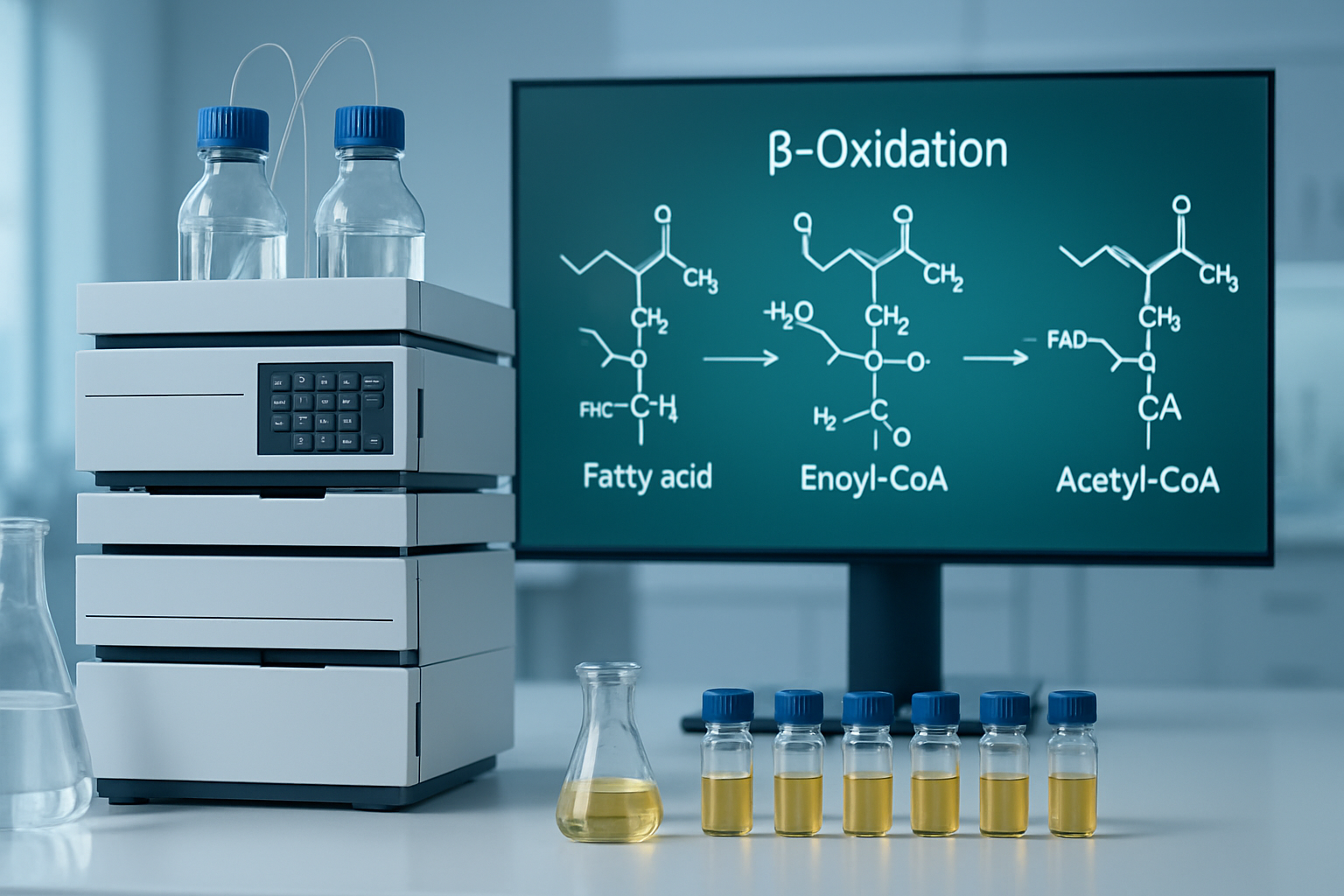
β-Oxidation is a key metabolic pathway that degrades fatty acids in mitochondria and cytosol to produce energy-rich metabolites like Acetyl-CoA, NADH, and FADH2. The process involves four enzymatic steps: initial oxidation, hydration, secondary oxidation, and cleavage, ultimately yielding energy and water.

Phosphorylation processes are vital for ATP production in cellular energy metabolism, encompassing oxidative phosphorylation in mitochondria and substrate-level phosphorylation in the cytoplasm. Each mechanism operates differently, contributing to the overall energy balance in cells.